
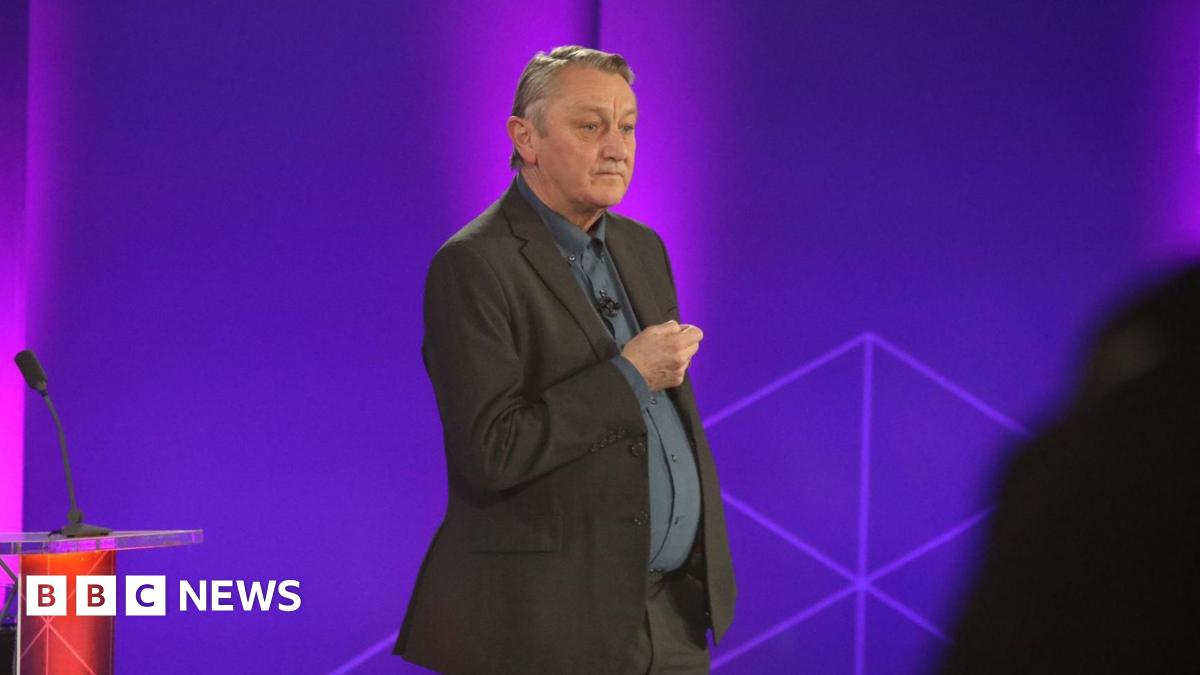
NORTH WALES – Political representatives from Welsh Labour and Reform UK clashed over the state of healthcare, energy infrastructure, and social policy during a recent public forum in North Wales.
The event highlighted a deepening divide between the long-term governing party and emerging challengers, centered largely on the delivery of public services in the region.
For Welsh Labour, the session served as a platform to defend a lengthy record of governance, while Reform UK sought to establish its independence and viability as an alternative for voters in the north.
Healthcare and Governance
Eluned Morgan focused on highlighting specific deliverables credited to Welsh Labour’s administration. Among the achievements cited were:
- Improvements to rail services
- The provision of free prescriptions
- The construction of a bypass around Caernarfon
However, the discussion shifted toward the systemic failures of regional health services. Morgan admitted that the Betsi Cadwaladr University Health Board is “not a pretty sight.”
The admission brings the focus back to the challenges facing one of the UK’s most scrutinized health boards, which has been subject to repeated Welsh Government intervention under the NHS escalation and “special measures” regime. That framework sits within the devolved health powers granted to Wales and set out in the National Health Service (Wales) Act 2006, making the performance of Betsi Cadwaladr a direct test of Labour’s record in Cardiff as well as in North Wales.
Against that backdrop, Labour’s argument at the forum rested on a balance sheet of delivery versus oversight: that long-term investment in transport and universal benefits such as free prescriptions should be weighed alongside the difficulties of turning around a complex regional health board under sustained regulatory scrutiny.
Reform UK’s NHS Strategy
Dan Thomas of Reform UK addressed criticisms regarding his relationship with party leader Nigel Farage. Thomas sought to distance himself from claims that he is acting on Farage’s instructions, asserting that he is “his own man” and would be “willing to stand up” to the leader who appointed him.
On the issue of the National Health Service, Thomas argued that the necessary funding is already present within the budget but is being misallocated or hindered by poor leadership. He framed the problems at Betsi Cadwaladr and across NHS Wales as evidence of structural mismanagement rather than insufficient public spending, signalling that Reform UK would seek to reform governance and commissioning rather than significantly increase overall health budgets.
While proposing a reallocation of existing funds to improve services, Thomas acknowledged the scale of the crisis, stating he “could not perform miracles to fix the health service overnight.” That caveat underlined the political tension between promising a clean break with the status quo and recognising the constraints of a devolved system in which health boards, ministers and regulators share responsibility for outcomes.
Energy, Housing, and Social Policy
The forum also addressed the economic future of Anglesey, specifically the plans for nuclear energy at Wylfa. For many local voters, the stalled or delayed redevelopment of the site has become a touchstone for confidence in both UK and Welsh decision-making on long-term infrastructure. Against that backdrop, Anthony Slaughter was pressed by audience members to justify the party’s position on nuclear energy and the potential loss of jobs associated with the Wylfa project.
In response, Slaughter pivoted to the party’s priorities regarding rental controls and broader housing affordability, arguing that the cost of living and security of tenure are now central to economic security in parts of Wales. This policy focus, however, appeared to resonate more with demographics in South Wales than those in the north, where heavy-industry and energy projects such as Wylfa are seen as anchor employers and symbols of the region’s bargaining power with both Cardiff and London.
Slaughter also spoke on the issue of gender and transgender services, calling for a dedicated youth gender service within the devolved health system. During this segment, he argued that vulnerable individuals were being “turned into political footballs” as parties clash over how far devolved institutions should go in reshaping social and healthcare provision for young people. His comments aligned with wider debates over how NHS Wales implements equality and safeguarding duties in specialist services, an area shaped by both devolved legislation and clinical guidance.
The participants’ statements reflect the current campaign priorities as they navigate the distinct economic and social needs of North Wales. From the future of NHS governance and the Betsi Cadwaladr board, to the fate of nuclear investment on Anglesey and pressure for tighter rental controls, the forum underscored how decisions taken in the Senedd and Whitehall translate into contested choices for communities across the region. For readers seeking a broader frame, these disputes sit within the evolving Welsh devolution settlement established by the Government of Wales Act 1998 and its subsequent amendments, which continue to shape who is accountable when public services in North Wales are perceived to be failing.
Keep reading
- Urban Infrastructure Resilience: How European and Asian Megacities Are Adapting to Extreme Climate Oscillations in 2026
- UN General Assembly 2026 Framework on Autonomous Systems: International Diplomacy Faces Algorithmic Governance
- PM Modi Marks 25 Years in Public Office with Delhi Temple Visit (globallypulse.com)
