
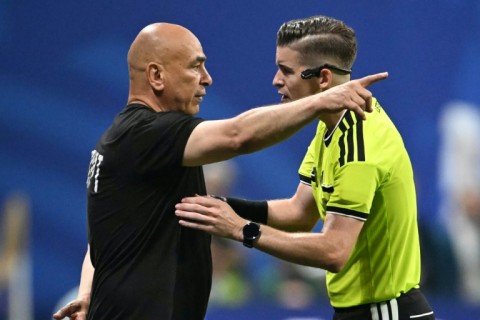
Egypt Files Formal FIFA Complaint Over Argentina World Cup Defeat
The Egyptian Football Federation (EFF) has formally requested that FIFA remove the officiating team from the World Cup after a controversial 3-2 loss to Argentina in the Round of 16. The move follows a match that saw Egypt on the verge of a historic first-ever appearance in the tournament’s quarter-finals.
EFF President Hany Aburida filed the complaint demanding a full investigation into French referee Francois Letexier and his crew. The federation cited “serious refereeing mistakes” and “double standards” throughout the encounter, alleging that the officiating team exhibited discrimination against the Egyptian national team and failed to apply the Laws of the Game in a consistent manner.
Key Match Controversies
The dispute centers on several pivotal moments that, in the EFF’s view, altered the trajectory of the match and undermined confidence in video-assisted refereeing:
- Disallowed Lead: With Egypt leading 1-0, a goal by Mostafa Ziko was overturned after the video assistant referee (VAR) intervened to identify an earlier foul on Argentina’s Lisandro Martinez. Egyptian officials argue the foul was marginal and inconsistent with other physical challenges allowed to stand during the match.
- The Comeback: Despite Ziko later scoring to give Egypt a 2-0 advantage, Argentina equalized in added time through goals from Cristian Romero and Lionel Messi. The EFF contends that in the buildup to these goals, earlier infringements were either overlooked or subjected to a different standard of review.
- The Winning Play: In the build-up to Enzo Fernandez’s winning goal, Egypt contends they were denied a penalty after Alexis Mac Allister pulled Hamdy Fathy inside the area. According to the EFF, the incident met the threshold for VAR intervention but was dismissed without a full on-field review.
Demands for Regulatory Action
The Egyptian federation is not merely seeking an apology but is calling for the total exclusion of the refereeing crew from the remainder of the World Cup. Aburida’s complaint specifically targets the video technology referees, claiming they insisted on not reviewing footage that would have favored the Pharaohs and thereby failed to uphold the protocols set out in FIFA’s disciplinary and officiating framework.
The federation’s statement describes the officiating failures as “blatant errors” and asserts that the investigation should treat these mistakes as a “crime of discrimination.” By framing the complaint in discrimination terms, the EFF is asking football’s governing bodies to examine not only technical decisions but also whether systemic bias influenced how those decisions were made and reviewed.
Technical and External Factors
Egypt coach Hossam Hassan expressed strong disapproval following the match, rejecting the notion of “hard luck” in favor of claims of systemic unfairness. Hassan suggested that the prestige of the world champions and the global profile of Lionel Messi may have influenced the officiating, arguing that commercial and narrative interests around Argentina’s title defense created additional pressure on match officials.
Speaking to reporters and broadcaster BeIN Sports, Hassan claimed that Egypt had been “cheated unfairly” and suffered “injustice,” arguing that external factors beyond the technical aspects of the game ensured the world champions remained in the competition. His comments go beyond routine post-match frustration, effectively challenging whether the current governance of elite refereeing can insulate officials from the sport’s most powerful storylines.
The outcome of this match represents a significant missed opportunity for Egyptian football. Reaching the last eight would have marked a milestone in the nation’s sporting history, elevating the Pharaohs’ status beyond their established continental record and providing unprecedented momentum for the squad’s future cycles. It also intensifies long-running debates within African federations about representation in refereeing appointments, transparency in VAR operations, and the ability of existing disciplinary mechanisms to reassure smaller football nations that they are competing on genuinely level terms.
Keep reading
