Bulls’ Leading Scorer Norman Powell Sidelined with Mild Hamstring Strain
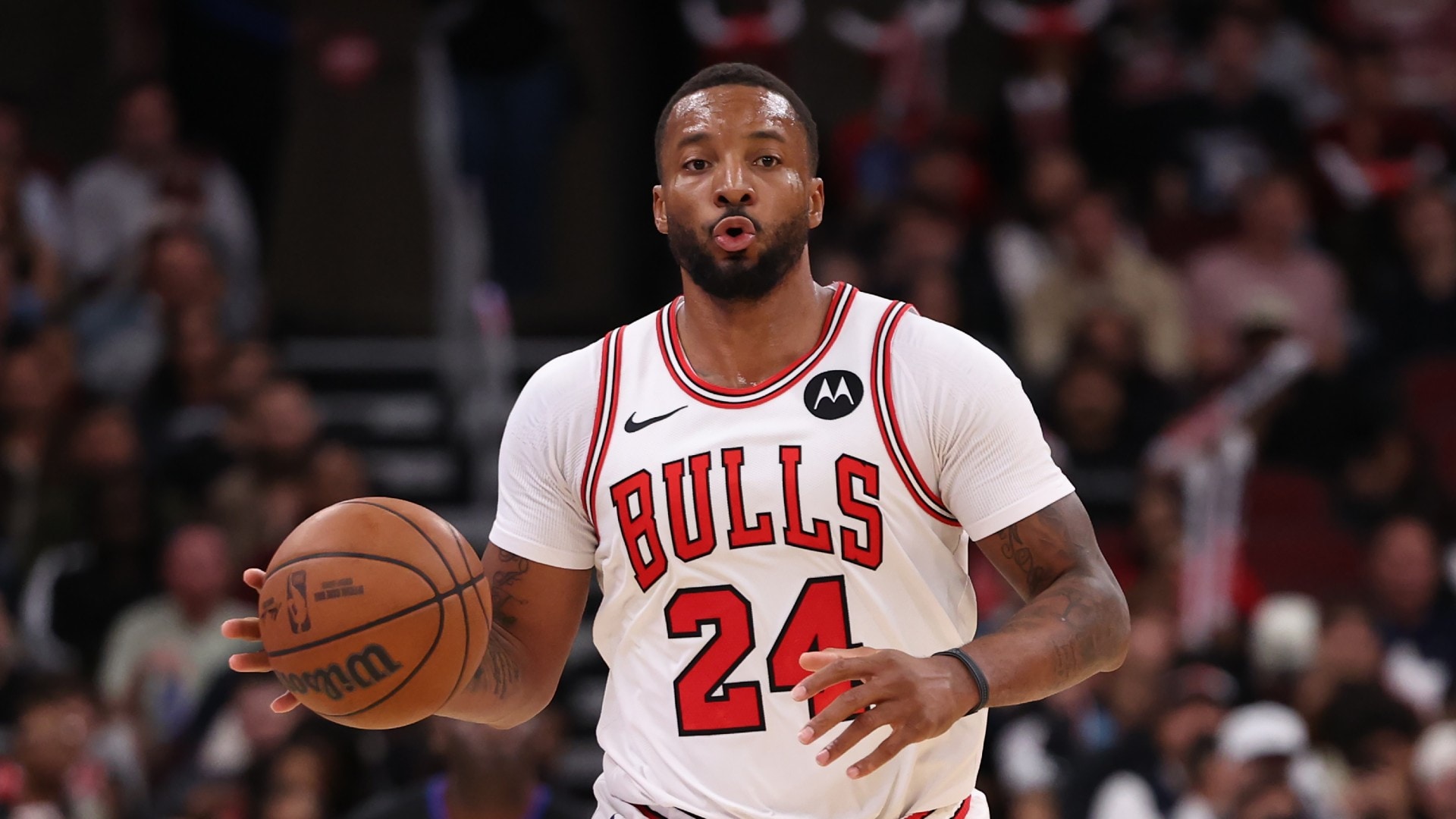
Bulls guard Norman Powell sustained a right hamstring strain Friday against Washington.
The Chicago Bulls announced Sunday that guard Norman Powell sustained a mild right hamstring strain during Friday’s 98-94 loss to the Washington Wizards. The team said Powell will be re-evaluated later this week, with further updates to follow.
Medical Update: Norman Powell sustained a mild right hamstring strain during Friday night’s game versus the Wizards.
Powell will be re-evaluated later this week. pic.twitter.com/mJka69o40S
– Chicago Bulls (@chicagobulls) November 22, 2026
Key offensive piece for Chicago
Before exiting the spotlight with the injury, Powell had been carrying a major offensive load for Chicago. He finished Friday’s contest against Washington with 16 points, three rebounds and two assists in 33 minutes, leading the Bulls in scoring on the night.
Across the season to date, the veteran guard has been a central figure in the Bulls’ attack. He is averaging a team-high 20.8 points per game, along with 2.8 rebounds, 2.4 assists and 1.4 steals. Those numbers underscore how much of the Bulls’ perimeter scoring and on-ball creation has flowed through him in the early part of the campaign.
Implications for rotation and competitiveness
A hamstring strain, even when classified as mild, can force short-term adjustments to a team’s backcourt rotation. For Chicago, any period without its leading scorer changes the way head coach and staff manage offensive sets, especially in late-game situations where Powell’s shot creation has been a reliable option.
In the context of the NBA’s 82-game regular season structure, even a brief absence can influence how a team navigates tightly packed stretches of the schedule, manages player workloads, and protects against further soft-tissue issues. Teams have increasingly taken a conservative approach with muscle injuries, balancing the immediate need for wins with the longer-term objective of keeping key contributors available deeper into the season.
For Chicago’s guards and wings, Powell’s status in the coming games will likely affect minutes distribution and roles on both ends of the floor. Additional ball-handling and scoring responsibilities may be spread across the perimeter group while the Bulls monitor his progress.
Hamstring management in elite basketball
Hamstring strains are a familiar challenge across elite basketball, where repeated accelerations, decelerations and changes of direction place continuous stress on the muscle group. Medical and performance staff across the league typically coordinate closely on such cases, using imaging, strength benchmarks and on-court testing to determine when a player is ready to return.
Under the NBA’s health and safety and medical governance framework, each franchise supervises treatment and return-to-play protocols for its own roster within league rules, while also complying with broader competition regulations on player eligibility and game reporting. That structure is designed to protect athletes’ welfare while ensuring consistent competitive standards.
Short-term focus on monitoring and adaptation
With Powell scheduled for re-evaluation later this week, the Bulls’ immediate priorities are clear: obtain a precise read on his recovery, adjust offensive responsibilities in his absence if he does miss time, and avoid rushing a return that could aggravate the injury.
For a Chicago side that has relied heavily on Powell’s scoring and defensive activity, how effectively the team adapts during this period – and how quickly he can safely resume his role – will shape its ability to remain competitive through the demanding phases of the regular season overseen by the NBA’s central competition body.
Powell’s performance level prior to the strain underlines what is at stake for Chicago: a primary scoring option who has been driving much of the team’s offensive output and perimeter pressure on defense.
Powell finished with 16 points, three rebounds and two assists in 33 minutes against Washington, leading Chicago in scoring. He has been a key part of the Bulls’ offense this season, averaging a team-high 20.8 points, along with 2.8 rebounds, 2.4 assists and 1.4 steals per game.