
GLASGOW – NHS Greater Glasgow and Clyde has admitted that serious infections in 84 child cancer patients at Glasgow’s Queen Elizabeth University Hospital were probably caused by a contaminated water system, acknowledging years of failings as a long-running public inquiry reached its closing stages. Two of the infected children died, according to the health board’s position set out to the inquiry.
The admission follows years of denials and disputes with families and staff who had raised persistent concerns about water safety and ventilation across the Queen Elizabeth University Hospital (QEUH) campus, including the adjacent Royal Hospital for Children. The evidence is being heard by the Scottish Hospitals Inquiry, a statutory probe established under the Inquiries Act 2005.
Health board admits probable water link and premature opening
The health board told the inquiry that infections among paediatric oncology patients were probably linked to contamination in the hospital water system. It also accepted that the hospital complex was not ready when it opened in April 2015 and said “pressure was applied to open the hospital on time and on budget” despite tests in December 2014 highlighting microbes in the water supply. It further acknowledged it lacked adequate staffing to maintain the new campus and conceded it had been “unfair” in previously downplaying whistleblower evidence.
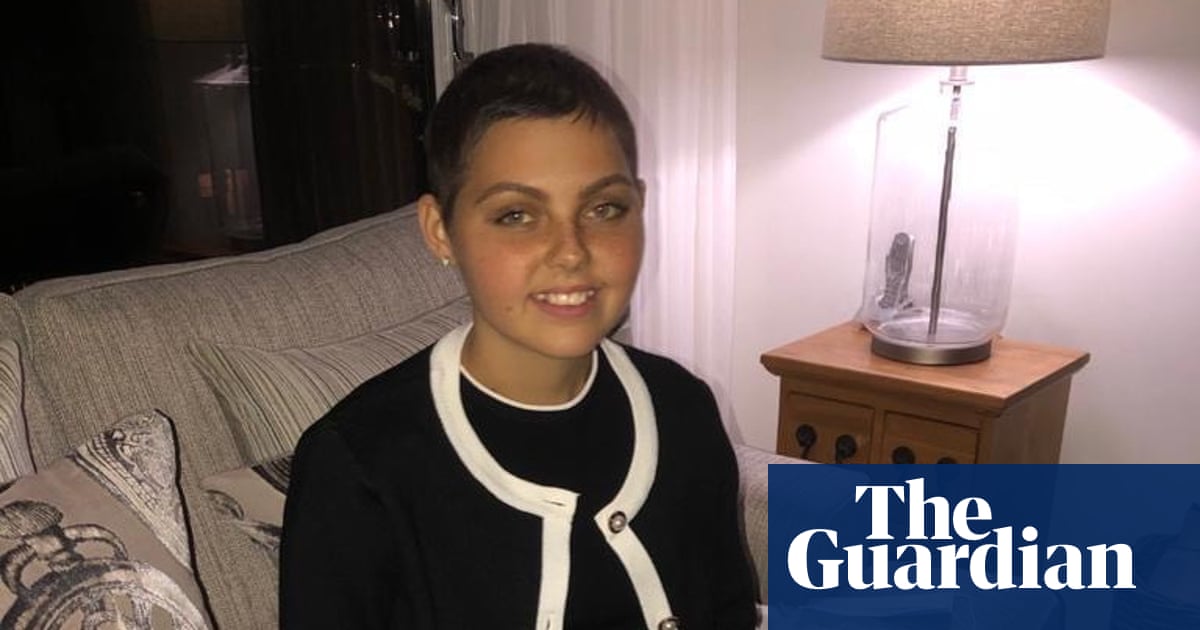
Molly Cuddihy, who was 15 when diagnosed with a rare bone cancer and treated at the Royal Hospital for Children and QEUH, described to the inquiry the “frightening” fits and rigors she suffered after contracting a bacterial infection while undergoing chemotherapy. “I was made sicker by the environment,” she said in evidence given in 2021.
“I was made sicker by the environment.” – Molly Cuddihy, 2021 inquiry testimony
Her father, John Cuddihy, said the clinical care his daughter received was “world-class” but argued “the basic principles of providing a safe and secure environment in which those clinicians could operate were simply absent.” He recalled that “you had a critically ill teenager who could see what was materially wrong with the hospital building in 2018.”
All Molly Cuddihy wanted was recognition of what she had gone through. That was what she told the Scottish hospitals inquiry in 2021, where she described the “frightening” fits and rigors she had suffered after contracting a bacterial infection at Glasgow’s Queen Elizabeth university hospital while undergoing chemotherapy. “I was made sicker by the environment,” the 19-year-old said in her evidence.
Molly had been 15 and revising for her National 5 exams when she was diagnosed with a rare bone cancer. She was treated at the Royal hospital for children and the adjacent QEUH, which are both part of a six-year public inquiry that reached its final stages and heard devastating new admissions this week.
“You had a critically ill teenager who could see what was materially wrong with the hospital building in 2018,” said her father, John. He said the clinical care his daughter received was “world-class” – a sentiment echoed by all the families affected by this scandal – but “the basic principles of providing a safe and secure environment in which those clinicians could operate were simply absent”.
After years of denial, NHS Greater Glasgow and Clyde finally admitted this week that serious infections in 84 child cancer patients, two of whom died, were probably caused by a contaminated water system at its flagship hospital.
The arduous delay in accepting what patients, families and whistleblowers had been telling hospital and health board management since the £842m super-hospital first opened in 2015 piled “avoidable distress and harm” on already suffering families, John says. “The fact that Molly never got to hear those words is even more painful.”
Molly Cuddihy died last August, her organs irreparably weakened by the powerful drugs used to combat the infections as well as her cancer treatment.
For the past week, her father has attended in her stead to hear the concluding submissions to the public inquiry, which was ordered by the former Scottish health secretary Jeane Freeman after a number of deaths and high infection rates – as well as whistleblowers raising repeated concerns about infection control in its water and ventilation systems. Like other family members whose loved ones died or became seriously ill, John was left reeling by dramatic U-turns in the health board’s position.
Another staggering 11th-hour admission was that the building was simply not ready to open when it did in April 2015 – just before the general election and with the SNP boasting about Scotland’s biggest ever publicly funded NHS construction project.
The health board admitted that “pressure was applied to open the hospital on time and on budget” – despite tests carried out in December 2014 having highlighted the presence of microbes in the water supply – and that they did not have adequate staffing to maintain the sprawling new campus.
And having previously downplayed evidence from whistleblowers who repeatedly raised the alarm with managers, the board acknowledged this was “unfair”.
Responding on Thursday, the three senior microbiologists who had tried to expose the failings pointed out that this belated and partial apology did not address the behaviour of senior management who had dismissed them as “attention-seeking” and “sensationalising” and failed to investigate their concerns “properly, openly or respectfully” for more than a decade.
The health board has insisted no individual should be held responsible for institutional failings.
As the week progressed, the families’ shock at the latest admissions hardened into fury and, in a coruscating closing statement also delivered on Thursday, they described being “lied to, disbelieved, demeaned and smeared” by the health board.
Some of these were the first parents to have spoken out about the inadequate answers they got when they asked why their children were being given bottled water, or why their specialist paediatric cancer ward was suddenly shut.
“We cannot overstate the level of deceit and conniving cowardice displayed by GGCH during the whole unfolding of this awful scandal,” they said. “As men, women and children fell ill and died, we were all told: There is nothing to see here.”
They called for the past and present leadership of GGCH to “face a reckoning” and issued a chilling warning that “the QEUH is not a safe hospital” and “the current leadership of GGCH cannot be trusted to make it safe”.
This echoed the whistleblowers, who said on the same day they still had “significant concerns” about the extent to which necessary changes had been instigated by senior management.
The Scottish Labour leader, Anas Sarwar, has described it as “the biggest scandal in the history of the Scottish parliament”. He has suggested the cover-up goes right to the top, and this week he called for criminal investigations into Scottish government ministers responsible at the time, including Nicola Sturgeon and John Swinney.
Sarwar has campaigned for years alongside Kimberly Darroch, whose 10-year-old daughter, Milly Main, died in August 2017 after contracting an infection as she recovered from leukaemia treatment.
Families and whistleblowers condemn leadership
Families described being “lied to, disbelieved, demeaned and smeared” by the health board and accused it of a pattern of dismissal when they questioned bottled water use and the abrupt closure of a specialist paediatric cancer ward. “We cannot overstate the level of deceit and conniving cowardice displayed by GGCH during the whole unfolding of this awful scandal,” they said, adding that they were told: “There is nothing to see here.”
Three senior microbiologists who had raised concerns said the apology offered did not address how senior managers had labeled them “attention-seeking” and “sensationalising” and failed to investigate concerns “properly, openly or respectfully” over more than a decade. The health board has insisted no individual should be held responsible for institutional failings, a stance that goes to the heart of how accountability is discharged within Scotland’s devolved National Health Service.
John Cuddihy said the years-long delay in accepting what patients and staff had reported caused “avoidable distress and harm.” He asked for tangible outcomes, independent monitoring and clear lines of oversight to ensure any recommendations are fulfilled rather than left on paper.
Political pressure and legal exposure
At a session of first minister’s questions, Scottish Labour leader Anas Sarwar called the affair “the biggest scandal in the history of the Scottish parliament,” urging criminal investigations into ministers in office at the time, including Nicola Sturgeon and John Swinney. He pressed to know “who applied the pressure and why” to open the children’s hospital weeks after an internal warning of high infection risk for immunocompromised children.
John Swinney said the Scottish government was not made aware until March 2018, committed to releasing any further cabinet minutes or ministerial correspondence, and said he had “every confidence” inquiry chair Lord Brodie “will provide the open scrutiny and truth required by families and everybody else.”
The health board’s legal representative, Peter Gray KC, offered “an unreserved apology” for the distress and trauma experienced by patients and families and said the organisation is “very different” from the one involved in the hospital’s design and construction. Any criminal liability, however, will ultimately be tested under Scotland’s corporate homicide legislation and the wider framework for corporate responsibility.
Key legal and procedural steps now in train:
– The health board has been named as a suspect in a corporate homicide investigation examining the deaths of Milly Main, two other children and a 73-year-old woman at the hospital campus.
– Prosecutors are also investigating the death of Molly Cuddihy.
– Families and whistleblowers say they still have “significant concerns” about whether necessary changes have been implemented and sustained.
What the inquiry is examining
The public inquiry, ordered by former Scottish health secretary Jeane Freeman, is assessing infections and safety across the QEUH campus, with a focus on water and ventilation systems and the decisions taken before and after opening. Its findings will sit alongside ongoing regulatory scrutiny of how NHS boards assess and manage infection risk in high-dependency facilities.
Selected timeline of disclosed events:
– December 2014: Tests highlight the presence of microbes in the water supply, according to the health board’s evidence.
– April 2015: QEUH opens; the health board now says the building was not ready and that pressure was applied to open on time and budget.
– August 2017: Milly Main, aged 10, dies after contracting an infection while recovering from leukaemia treatment, her mother, Kimberly Darroch, has said.
– March 2018: John Swinney said the Scottish government was first made aware in this month.
– 2021: Molly Cuddihy tells the inquiry she suffered “frightening” fits and rigors after a bacterial infection during chemotherapy and says: “I was made sicker by the environment.”
Accountability and safety questions
Families contend the leadership should “face a reckoning” and warn that “the QEUH is not a safe hospital” and “the current leadership of GGCH cannot be trusted to make it safe.” The health board says it has changed and apologised, but it maintains that no single individual should be held responsible for what it describes as institutional failings.
Swinney said he would release any further cabinet minutes or correspondence relevant to the period and reiterated confidence that Lord Brodie’s inquiry will deliver public scrutiny and truth for families. For ministers, the case has become a test of how the Scottish government exercises its ultimate stewardship over local health boards when serious system failures emerge.
The inquiry’s final report is pending; the health board remains a named suspect in the corporate homicide investigation, and prosecutors are also investigating Molly Cuddihy’s death. GlobalHeadlinez will continue to follow the inquiry’s conclusions and any subsequent criminal or regulatory actions.
Worth a look
