
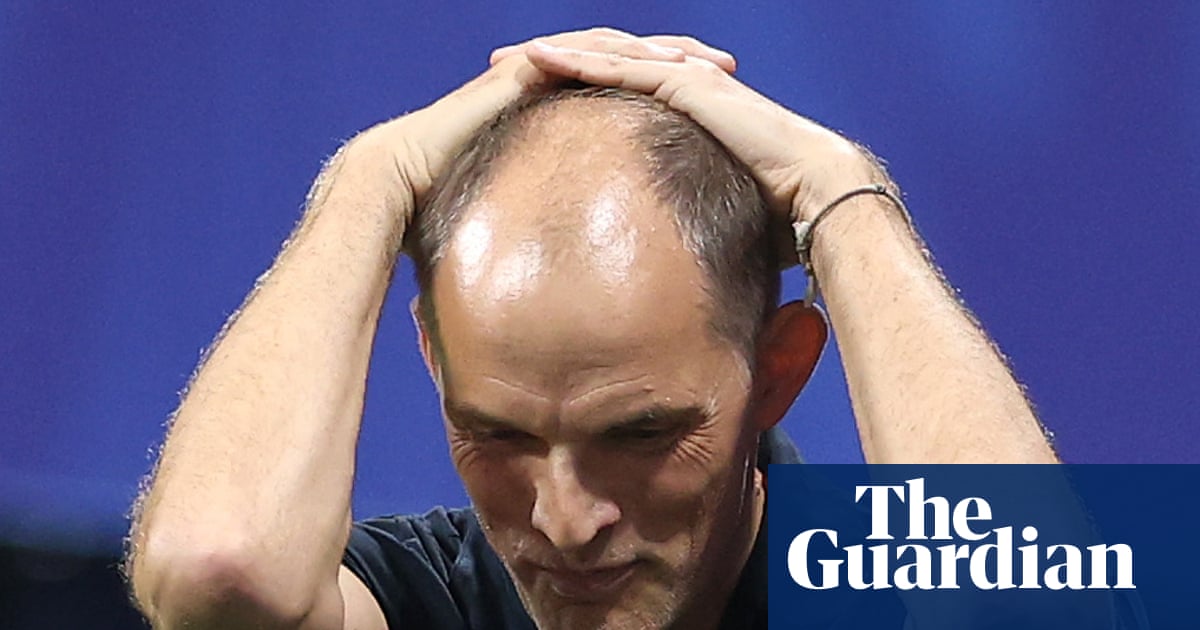
Tactical Shift Costs England as Argentina Secure World Cup Final Spot
Argentina have advanced to the World Cup final after a dramatic second-half comeback to defeat England in the semi-finals. The victory, sealed in Atlanta, ensures the reigning champions will face Spain in Sunday’s final in New York under the regulations of the FIFA World Cup 2026 competition rules.
England appeared to be on the verge of their first men’s World Cup final on foreign soil, taking a lead through Anthony Gordon early in the second half. However, the advantage was erased by a powerful strike from Enzo Fernández, before substitute Lautaro Martínez scored the winning goal in the second minute of injury time.
Match Summary
- England Goal: Anthony Gordon (early second half)
- Argentina Goals: Enzo Fernández, Lautaro Martínez (stoppage time)
- Final Result: Argentina advance to face Spain in the final
- Key Statistic: England held only 12% possession between taking the lead and conceding the winning goal, a spell that underlined how deeply they retreated.
England head coach Thomas Tuchel has taken full responsibility for the defeat, citing a tactical shift that left his side passive in the final stages. Tuchel opted to withdraw Declan Rice and Reece James and switch to a back-five formation just three minutes before Argentina’s equaliser, a move that effectively ceded territory and initiative.
“We decided to go to a back five because the gaps were far too open,” Tuchel said. “Argentina played with more risk, played with more rhythm and played with the feeling maybe that they had nothing to lose any more, which freed them up and pulled us back. Because we obviously played suddenly with a feeling that we had a lot to lose.”
Tuchel dismissed suggestions that the loss was due to a recurring “curse” regarding England’s mentality when leading, instead attributing the result to a lack of activity within the team’s structure and poor game management in the final 15 minutes, areas that will now come under scrutiny from the English FA and its technical department.
Are Tuchel’s tactics to blame for England’s World Cup defeat? – The Latest
England captain Harry Kane echoed the sentiment that the team became too defensive and failed to manage the momentum once ahead. “Once we went 1-0 up we just seemed to try to hold on which, at this level, is not enough,” Kane told the BBC. “It just was wave after wave and we were just trying to hold on… but in the end it wasn’t enough.”
The conclusion of the match was marked by high tension and incidents that may draw the attention of disciplinary officials. Jude Bellingham had to be restrained by reserve goalkeepers Dean Henderson and James Trafford after appearing to strike Argentina substitute Valentín Barco on the back of the head. Match officials did not issue an on-field punishment for the incident, but it could yet be reviewed under FIFA’s post-match disciplinary procedures.
Further volatility was seen in the celebrations of Manchester United defender Lisandro Martínez, who displayed a banner reading “Las Malvinas son Argentinas,” referencing the historical conflict over the Falkland Islands. The gesture, made on a global broadcast platform, risks inflaming a long-running sovereignty dispute and may invite examination under tournament rules on political, religious or personal slogans inside stadiums.
For Argentina, the victory reinforces a pattern of resilience seen throughout the FIFA World Cup. The squad previously overcame a 2-0 deficit to defeat Egypt in the round of 16, building a narrative of a side comfortable chasing games. Lautaro Martínez noted that England’s decision to drop back after scoring allowed Argentina more composure in their build-up play and enabled sustained pressure in the final third.
Argentina head coach Lionel Scaloni credited the team’s ability to perform under pressure rather than any single tactical adjustment. “This team plays best when they are facing adversity,” Scaloni said. “We had a challenging situation… but the team fought until the end. It shows what football means to us and it goes beyond tactics.” His comments underline a culture of resilience that has been central to Argentina’s back-to-back deep runs at major tournaments.
Jude Bellingham appeared to strike Valentín Barco on the back of the head after the game. Photograph: Michael Zemanek/Shutterstock
Argentina now look to secure a second consecutive title in the final against Spain, while England are left to analyse a tactical collapse and a fractious finish that denied them a place in the championship match and will shape the Football Association’s review of this World Cup campaign. For both national federations, the night in Atlanta will feed directly into long-term strategic decisions on coaching, player pathways and how to manage pressure at the sharp end of international tournaments, as world football’s centre of gravity again converges on North America and the 2026 showpiece in New York.
Related reading
