
UK Government Proposes Ban on Unlicensed Gambling Sponsorships in Sport
The UK government has announced plans to ban sports teams from accepting sponsorship deals with unlicensed casinos, a move that threatens the commercial revenue streams of several Premier League football clubs and high-profile international sporting events.
The proposed regulations target the use of logos on kits, stadium infrastructure, and pitch-side hoardings. Ministers have initiated an eight-week consultation on the proposals, with a potential ban coming into effect as early as August 2027, and no later than August 2028. The measures would amend the existing framework overseen by the Gambling Commission, which licenses and regulates betting operators in Great Britain.
Currently, sports organizations can accept funding from gambling companies that do not hold a Gambling Commission licence, provided those companies do not actively accept bets from consumers within Great Britain. However, the government has expressed concern that UK-based individuals are bypassing these restrictions via virtual private networks (VPNs) after being exposed to advertising through sports partnerships, undermining the purpose of the domestic licensing regime.
Commercial Implications for Premier League Clubs
The shift in regulatory approach would turn currently legal commercial agreements into criminal offences for clubs and rights-holders that continue to promote unlicensed operators once the transition period ends. This creates significant financial and legal uncertainty for several top-flight football clubs that have already committed to multi-year partnerships with unlicensed entities.
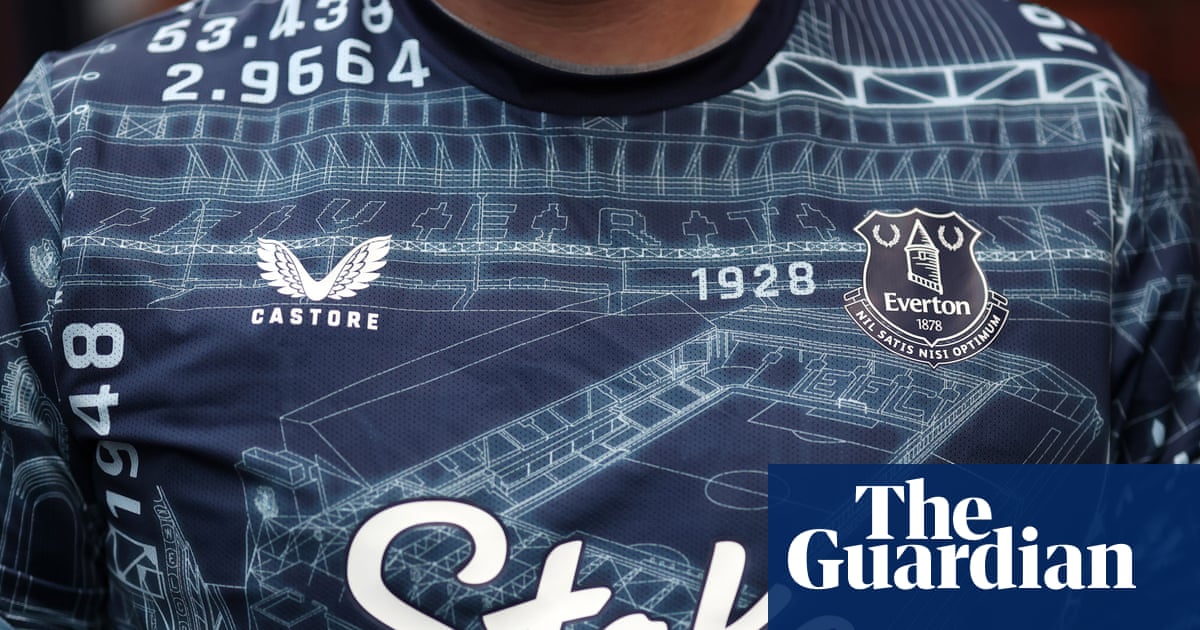
Everton FC is particularly exposed. The club signed a sleeve sponsorship deal in June with Stake.com, a crypto casino lacking a British licence. The agreement is understood to be worth at least £10 million and was intended to run until the end of the 2028-29 season. Depending on the final implementation date of the ban and any grace periods written into legislation, Everton could be forced to terminate the contract early, potentially losing a year or more of guaranteed revenue or facing a costly renegotiation.
Other Premier League clubs facing similar risks include:
- Chelsea: Partnered with 8Xbet
- Ipswich Town: Partnered with 8Xbet
- Fulham: Partnered with SBOTOP
Club executives are expected to scrutinise force majeure and regulatory change clauses in existing contracts, as well as seek clarity from the government on whether compensation or phased compliance will be required.
This government crackdown is separate from a voluntary agreement reached by Premier League clubs to cease gambling advertisements on the front of match-day kits starting in the 2026-27 season. Taken together, however, the measures signal a decisive policy shift away from the visibility of betting brands in English football’s most-watched competition.
Impact on Global Motorsports and Snooker
The proposed legislation extends beyond football, affecting sports with a strong UK presence or those hosting major events on British soil, from top-tier motorsport to indoor cue sports and emerging tournaments that rely heavily on gambling money.
In Formula One, the ban could lead to complex logistical requirements for teams. Stake.com has previously sponsored the Sauber team; under the new rules, any similar future partnerships could require teams to remove gambling-related decals specifically for the British Grand Prix to avoid criminal liability. Teams may have to prepare UK-specific liveries, signage plans and hospitality branding months in advance of the race calendar.
The World Snooker Tour is also affected, as its current sponsor, Sportsbet.io, does not hold a licence to operate within Great Britain. Organisers could be forced to rebrand events, renegotiate title sponsorships or seek new backers if the legislation proceeds in its current form, with knock-on effects for prize money and grassroots funding.
Regulatory Rationale and Scope
The government states that the primary drivers for the ban are the protection of vulnerable individuals and the mitigation of risks associated with organized crime groups using sports sponsorships as a vehicle for money laundering. Ministers argue that requiring sponsors to be fully licensed brings all major commercial partners within the same due-diligence and affordability checks that apply to operators taking bets directly from UK consumers.
Gambling minister Fiona Twycross noted that while the majority of sports sectors will remain unaffected-because their partners already hold UK licences or are non-gambling brands-specific clubs and organizations will face direct impacts and will need to adapt their commercial strategies. Industry and civil-society groups are expected to use the consultation period to argue over the precise definition of “unlicensed” and whether exemptions should apply to legacy deals or low-visibility assets.
Current proposals focus on physical visibility. The government has clarified that online partnerships, such as digital-only branding, affiliate links or offshore-facing content, are not covered by this specific ban, as they would require separate legislation. Officials indicated they would consider such a move if deemed necessary, in line with broader reforms emerging from the government’s ongoing review of gambling law.
There has been no suggestion of wrongdoing by the betting companies mentioned in the proposal. Instead, the move reflects a policy choice to align commercial sponsorship more tightly with the UK’s licensing regime, and to reduce the exposure of fans in stadiums and on domestic broadcasts to firms operating outside that framework.
Worth a look
