
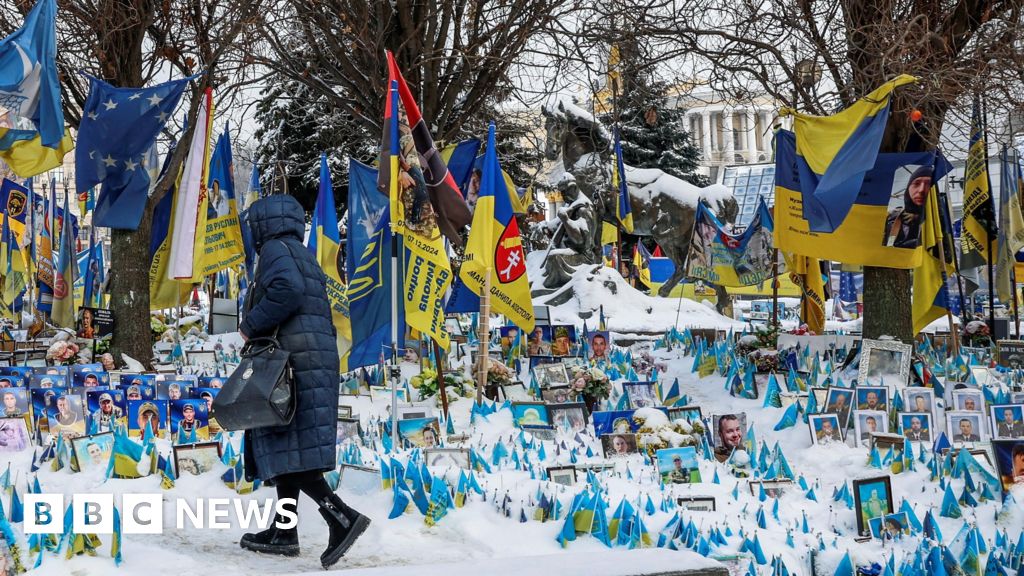
KYIV – Ukraine has declared a state of emergency in the national energy sector, concentrating efforts on Kyiv, as continued Russian strikes leave thousands of residents without power, heating or running water in the capital and beyond.
The move comes amid a severe cold snap – with overnight temperatures in Kyiv dropping to around -20C – that President Volodymyr Zelensky said Moscow is deliberately exploiting as part of its war strategy.
Emergency measures in the capital
Following a special cabinet meeting on January 14, 2026, Zelensky said a round‑the‑clock task force would be established to repair damage from strikes and worsening weather, and that vital energy equipment and resources would be procured from abroad to replace damaged installations. The government said the decision was taken under the country’s wartime emergency framework, which allows for temporary restrictions on electricity consumption, priority routing of power to critical facilities and fast‑tracked procurement under Ukraine’s law on the electricity market.
Measures announced for Kyiv include:
– Establishing a 24/7 task force to coordinate repairs, emergency services and communication with local authorities.
– Procuring energy equipment and resources from international partners to replace damaged assets and reinforce substations around key hospitals, transport hubs and water‑pumping stations.
– Increasing the number of emergency help points across the city to provide heat, charging facilities and basic medical assistance, a step that could allow a relaxation of the current midnight curfew if security conditions permit.
Municipal disruptions in Kyiv have been extensive. After a particularly heavy night of missile and drone attacks, 70% of the capital was left without power for several hours, briefly knocking out water supplies and centralized heating before engineers restored partial service. Local officials said priority was given to hospitals, shelters and underground metro stations being used as warming points.
Grid pressure across the south-east
Ukrainian officials said more than one million people in south‑eastern Ukraine spent hours without heating and water supplies as a result of recent air strikes on energy infrastructure, forcing regional authorities to introduce rolling blackouts and appeal for voluntary reductions in consumption.
Maxim Timchenko, chief executive of DTEK – the country’s largest private energy provider – said the grid is operating in permanent crisis mode under repeated attacks. As the fourth anniversary of Russia’s full‑scale invasion approaches, he described strikes arriving in “waves of drones, cruise and ballistic missiles” that have left the company struggling to cope. “We just don’t have time to recover,” he said. DTEK currently provides power for 5.6 million Ukrainians, and has repeatedly warned that sustained damage to thermal power plants and high‑voltage substations risks long‑duration outages if key equipment cannot be repaired or imported in time.
Energy companies have been working with Ukraine’s transmission system operator to re‑route power from western regions less affected by strikes, but officials concede that the system remains vulnerable to further large‑scale attacks. Temporary diesel generators and mobile boiler units have been deployed to critical sites, though local authorities say fuel logistics are under strain.
Diplomatic backdrop and public statements
Zelensky’s emergency declaration coincides with comments by his U.S. counterpart, Donald Trump, who said he was holding up efforts to secure a peace deal to end nearly four years of war with Russia. Trump said Ukraine “is less ready to make a deal” than Russian president Vladimir Putin. Asked why talks have not resolved the conflict, he replied: “Zelensky.”
Both leaders are expected to attend the World Economic Forum in Switzerland, although Trump suggested no formal plans were arranged for them to meet. European officials, who have been pressing Kyiv and its partners to accelerate work on cross‑border “energy solidarity” arrangements ahead of the winter peak, are also due to be in Davos, where Ukraine’s delegation is expected to prioritize air‑defence systems and funds to harden its grid against future attacks.
What officials have said
– Zelensky accused Moscow of exploiting winter conditions as part of its strategy, saying Russian forces were targeting power plants and heating infrastructure “to break our people’s morale through cold and darkness.”
– He ordered an expansion of emergency help points in Kyiv to provide heat, power and hot food to residents during prolonged outages, particularly in high‑rise districts that depend on electric pumps.
– He said a permanent task force would coordinate repairs and procure energy equipment from abroad, working with Ukraine’s energy regulator and the state emergency service to prioritize regions facing the highest humanitarian risk.
“The First Deputy Prime Minister – Minister of Energy of Ukraine has been assigned to oversee work supporting people and communities under these conditions,” he wrote on X, adding that the government would use fast‑track procedures for critical imports while asking citizens to curb non‑essential electricity use.
