
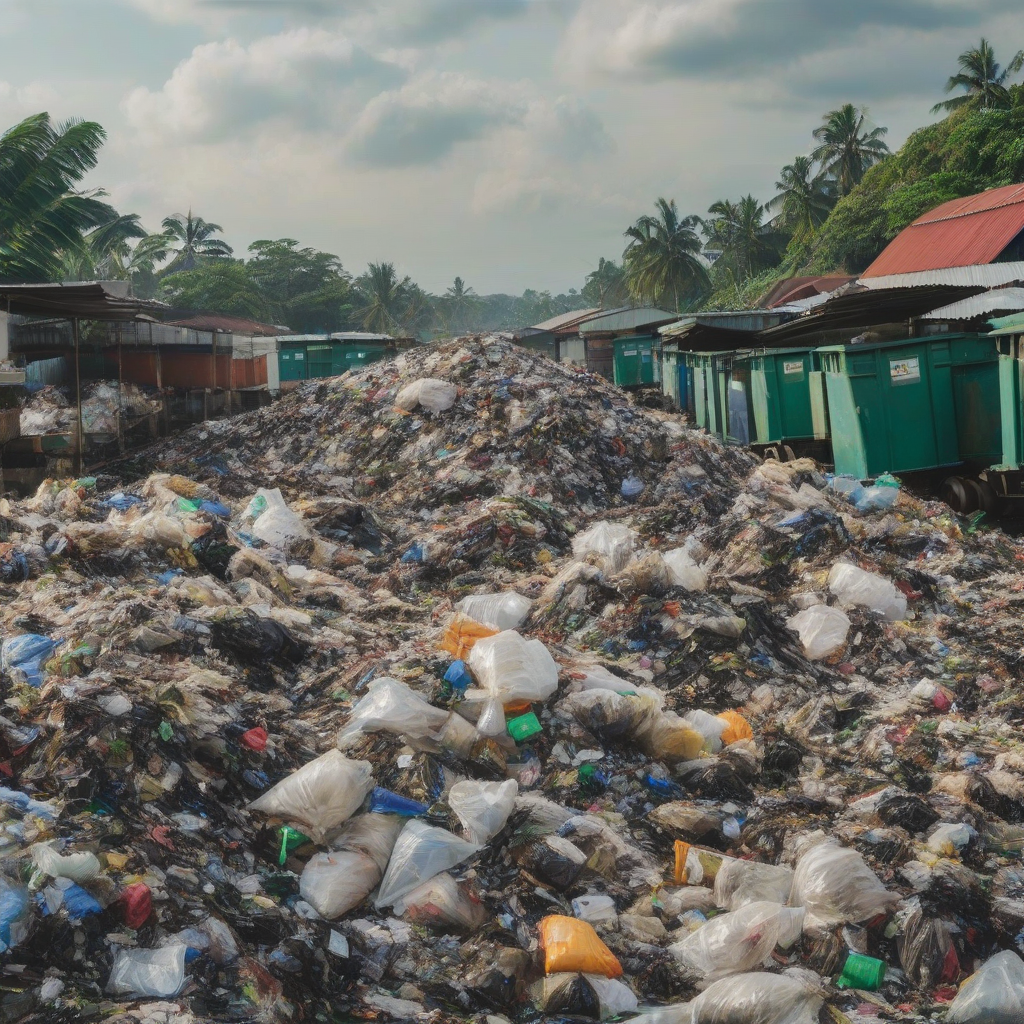
JAKARTA – Danantara, Indonesia’s state asset fund, has selected eight consortia to develop a second phase of waste-to-energy (WtE) projects, integrating French, Chinese, and domestic expertise to modernize the country’s waste management and power generation.
The second phase encompasses eight major projects spanning 20 cities and regencies. The selected developers have received conditional letters of award, which serve as a prerequisite for full project awards pending the satisfaction of specific procurement, technical, and financing requirements.
The initiative is designed to attract significant foreign capital and advanced technology to address Indonesia’s escalating waste disposal challenges while simultaneously expanding its renewable energy portfolio.
Project Allocation and Consortium Leadership
Development of the sites is being managed by PT Daya Energi Bersih Nusantara (Denera), the specialized WtE unit of Danantara. The selection process involved 68 applications from 85 pre-qualified providers, reflecting rising international interest in Indonesia’s waste and power sectors.
The distribution of the second-batch projects is as follows:
- Medan (North Sumatra): SUEZ-IAN Consortium, led by France’s Suez.
- Semarang (Central Java): Veolia Environmental Services Asia (France).
- Bekasi Regency (West Java): Led by China’s Everbright.
- Yogyakarta: A partnership between China’s Tianjin CITICC and state-owned PT Pertamina New & Renewable Energy.
- Greater Serang (Banten): Masa Depan Energi Indonesia, a consortium between China’s Beijing GeoEnviron Engineering and Tech Inc. and PT Chandra Waste Energy (an affiliate of PT Chandra Asri Pacific). This plant is designed to process 1,160 tonnes of waste per day.
- Surabaya (East Java): Mentari Citra Lestari Consortium, comprising China’s SUS Indonesia Holding Ltd., PT Bakrie Power, and PT Acritas Karya Persada. This facility is expected to process approximately 1,100 tonnes of municipal waste daily.
- Bogor (West Java): Selected consortium (conditional award).
- Lampung: Selected consortium (conditional award).
Together, the second-phase sites are intended to anchor a network of urban facilities that divert waste from crowded landfills into power generation and related energy products, complementing the first wave of projects now moving into construction.
To mitigate project failure, Danantara has assigned a reserve bidder to each of the eight sites should the primary consortium fail to meet the conditions of the award. This back-up structure is designed to limit delays in cities that are already under pressure to improve waste collection and disposal.
Selection Criteria and Compliance
The selection process was governed by a set of rigorous evaluations intended to ensure long-term operational viability and compliance with national environmental and energy regulations.
“The selection process was conducted in accordance with international best practices,” Denera chief executive officer Fadli Rahman said in a statement. “We assessed bids based on project track records, financial capability, implementation and commercial readiness, risk management, long-term commitment and execution experience in Indonesia.”
Before receiving final awards, the selected consortia must complete a series of mandatory milestones:
- Completion of comprehensive feasibility studies, including environmental and social impact assessments.
- Finalization of project structures and risk allocation between central and regional government partners.
- Establishment of joint venture entities to develop, own, and operate each facility.
- Execution of commercial agreements, including long-term waste supply and power purchase arrangements with PLN.
- Obtaining formal financing approval from lenders and investors.
Officials said the milestones are intended to standardize project preparation across different regions and to make the assets bankable for both domestic and international financiers.
National Waste-to-Energy Framework
These projects are executed under the mandate of Presidential Regulation No. 109/2025 on the handling of urban waste through its conversion into renewable energy based on environmentally friendly technologies, which replaced an earlier, less effective WtE decree and now serves as the primary legal framework for the programme. The full text of the regulation is available on the government’s legal database, Peraturan Presiden Nomor 109 Tahun 2025.
The regulation assigns Danantara to coordinate investment and project delivery at the national level, while obliging participating regional governments to supply waste, secure land, and allocate local budget support for collection and transport. State utility PLN is required to purchase electricity generated by qualifying WtE plants under its long-term power procurement plan, where these facilities are classified as renewable energy sources.
The current rollout is part of a broader strategic objective to construct 33 WtE plants across Indonesia, with a total estimated investment value of US$5.6 billion. The programme is positioned as a key instrument in reducing the volume of urban waste sent to landfills, cutting methane emissions and improving public health outcomes in fast-growing cities.
The first batch of the programme commenced on July 8 with the start of construction on a three trillion rupiah plant in South Denpasar, Bali, which has been designated a national strategic project. Groundbreaking for the Bekasi and Bogor projects is expected to follow shortly, as Danantara and Denera work with local authorities to finalize permits and commercial arrangements.
For background on how WtE plants operate and their role in Indonesia’s energy transition, readers can refer to the overview published by the Indonesia Sustainable Energy and Environment Foundation, “Perpres No. 109 Tahun 2025 – Urban Waste Management Through Eco-Friendly Waste-to-Energy Technology.”
