
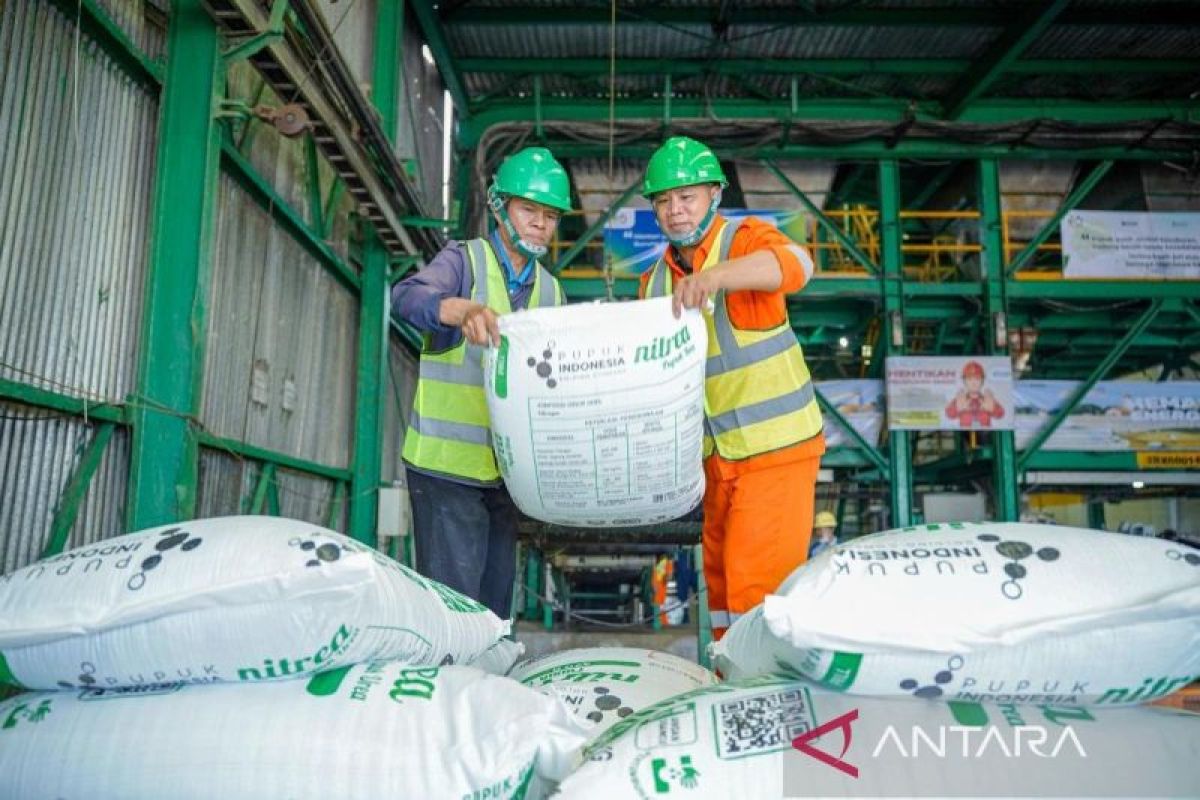
JAKARTA – Agriculture Minister Andi Amran Sulaiman has announced that four countries have requested urea fertilizer from Indonesia, with total demand reaching at least 750,000 tons.
The request comes as global supply chain disruptions impact the availability of essential agricultural inputs. The four nations seeking the shipments are India, Australia, the Philippines, and Brazil.
The move allows Indonesia to capitalize on a significant production surplus to strengthen its position in the global agricultural market while maintaining domestic food security. Urea is a key nitrogen-based fertilizer for rice, maize, and other staple crops across Southeast Asia, making export decisions highly sensitive to domestic planting seasons and price stability.
Export Allocations and Production Capacity
The Indonesian government has identified a substantial gap between national production and domestic requirements, creating a window for international trade. Under Indonesia’s fertilizer policy framework, subsidized fertilizer distribution and export permits are coordinated across ministries, including the Agriculture Ministry and the trade and industry portfolios, with oversight from state-owned producers.
Indonesia’s current fertilizer metrics are as follows:
- Total annual urea production capacity: 7.8 million tons
- Estimated domestic demand: 6 million tons
- Available export allocation under current permits: 1 million tons
Of the current demand, India has requested 500,000 tons of urea fertilizer. Australia has agreed to receive 250,000 tons in the first shipping batch. The specific volumes requested by Brazil and the Philippines have not yet been finalized, and officials say the remaining export quota will be calibrated against planting schedules and stock assessments in key food-producing provinces.
Sulaiman stated that the increase in global demand provides an opportunity to expand agricultural exports, though he emphasized that such moves will be conducted with national interest in mind, and within the state’s fertilizer subsidy and price stabilization regime anchored in Indonesia’s food security and agricultural regulation framework.
“The Indian ambassador called directly to get the fertilizer; likewise, Australia, the Philippines, and Brazil. These four countries ask to get urea fertilizer,” Sulaiman stated.
Ministry officials say any additional requests beyond the current 1 million ton export window would require a review of stock levels and coordination with the National Food Agency to avoid domestic shortages.
Diplomatic Engagements
The export arrangements have been facilitated through high-level diplomatic channels, underscoring how fertilizer supplies have become part of broader economic and strategic dialogue.
On April 16, Indian Ambassador Sandeep Chakravorty met with Deputy Agriculture Minister Sudaryono to discuss the logistics of the urea shipments and alignment with India’s own cropping calendar. During the meeting, the Indonesian government expressed its willingness to export the surplus once all domestic needs are fully met and distribution to smallholder farmers is secured through the existing subsidy program.
Further coordination occurred at the head-of-state level. In a phone call on April 21, Australian Premier Anthony Albanese thanked President Prabowo Subianto for assistance in securing Canberra’s fertilizer supply. Jakarta views these exports as reinforcing Indonesia’s role as a reliable supplier within Indo-Pacific supply chains, at a time when many countries are seeking to diversify away from single-source fertilizer dependence.
Diplomats from Brazil and the Philippines are expected to hold follow-up technical talks with Indonesian officials to determine shipping schedules, port capacity, and payment terms, once the government confirms how much of the remaining allocation can be released.
Agricultural Trade Performance
The push for increased exports aligns with recent economic data from Statistics Indonesia (BPS), the national agency responsible for official census and statistical data, which has highlighted agriculture as a consistent contributor to the country’s non-oil-and-gas trade surplus.
According to BPS findings for 2025, Indonesia’s agricultural sector saw the following shifts compared to the previous year:
- Agricultural exports: Increased by Rp167 trillion
- Agricultural imports: Declined by Rp41 trillion
- Overall agricultural trade surplus: Rp200 trillion
“The data showed that we got Rp200 trillion trade surplus,” Sulaiman said, framing the urea export plans as part of a broader effort to move Indonesia further up the value chain in global food and input markets.
Indonesia, the world’s fourth most populous nation and a major agricultural producer with vast archipelagic geography across the Indian and Pacific Oceans, has been seeking to leverage its fertilizer and commodity capacity to support resilient regional food systems while bolstering foreign exchange earnings through agricultural trade. Background data on Indonesia’s economic structure and agriculture show the sector remains a crucial employer and export pillar.
The government continues to finalize the total tonnage for the shipments to Brazil and the Philippines. Officials say a final decision on their allocations will be announced after the latest domestic stock audit and planting-season review are completed, in line with the state’s commitment to prioritize food security at home before expanding urea sales abroad.
Related reading
- Urban Infrastructure Resilience: How European and Asian Megacities Are Adapting to Extreme Climate Oscillations in 2026
- UN General Assembly 2026 Framework on Autonomous Systems: International Diplomacy Faces Algorithmic Governance
- Brazil Minister Says Amazon Fires May Stem From Criminal Activity (archyde.com)
