
Biosecurity Shift in Local Avian Populations
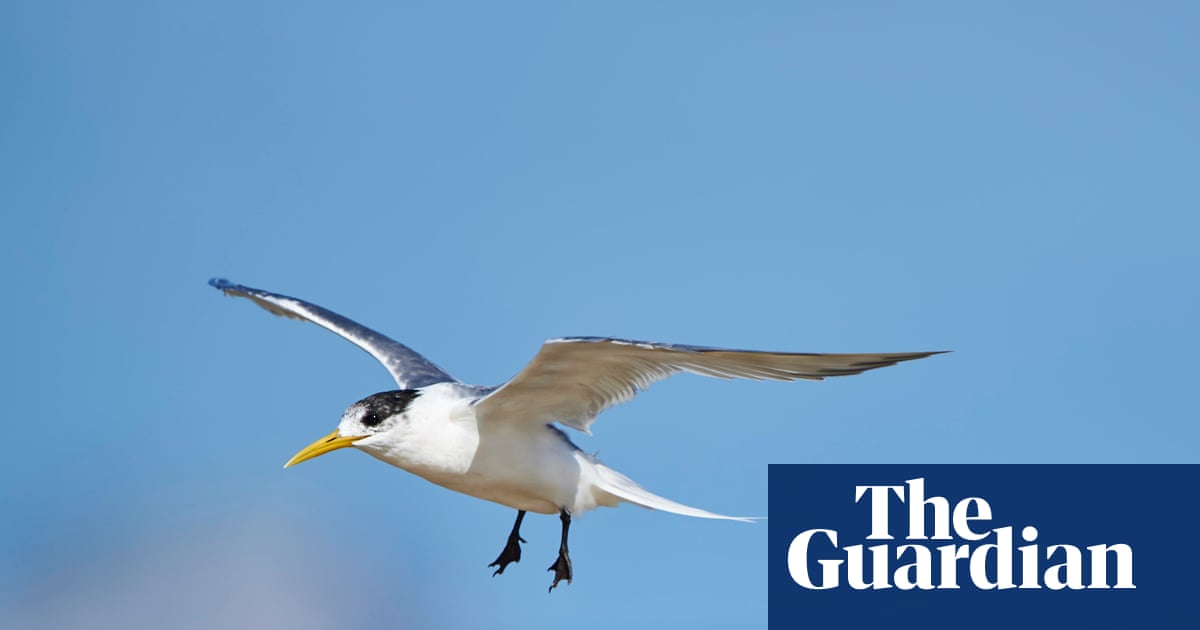
The detection of H5 avian influenza in a greater crested tern on the South Australian coast marks a significant transition in the regional epidemiological landscape. While previous detections within Australia were limited to migratory subantarctic seabirds-primarily giant petrels across South Australia, Western Australia, and New South Wales-the presence of the virus in a local resident species indicates a wider circulation of the pathogen within domestic wildlife and a shift in how authorities will need to manage it.
The specimen was identified at Robe on the Limestone Coast. Federal agriculture minister Julie Collins characterized the event as a validation of existing monitoring protocols, stating, “While this, of course, is a concerning development, it is not unexpected and is another sign that our strong biosecurity system is working.” The case sits within the national framework overseen by the Biosecurity Act 2015, which gives federal agencies powers to control serious animal diseases at the border and within Australia.
This transition from migratory to local wildlife increases the complexity of containment and monitoring for regulators and wildlife managers. Resident birds occupy permanent niches within the ecosystem, potentially creating long-term reservoirs for the virus that can interact with domestic poultry and other native fauna. For agricultural authorities, that raises the stakes around early detection, movement controls, and possible trade implications if the virus were to enter commercial flocks.
Surveillance and Environmental Monitoring
The South Australian government has expanded its surveillance operations to determine the extent of the spread among local wildlife, working alongside federal agencies responsible for national disease reporting. This effort follows a large-scale aerial survey of the state’s islands, reefs, and coastline-the most comprehensive in four decades-which indicated no widespread mortality among seals or seabirds and provided a crucial baseline against which new cases can be measured.
The current focus is on the ecological overlap between local and migratory species and how that overlap might shape future policy. Regarding the greater crested tern, Collins noted, “What we do know is that this is a coastal seabird that has an overlapping coastal range with migratory seabirds that have previously tested positive for H5.” That overlap is guiding decisions on where to deploy limited surveillance resources and how to prioritise laboratory testing capacity.
To manage the risk of further transmission, the regulatory response focuses on specific environmental and biological markers that can be translated into operational decisions on the ground:
- Species Mapping: Identifying resident birds with high-contact rates with migratory populations to inform targeted sampling and advisory notices to local communities.
- Geographic Zoning: Concentrating surveillance and possible movement controls on coastal hotspots like the Limestone Coast and other high-use roosting and breeding sites.
- Mortality Tracking: Implementing rapid reporting systems for dead or distressed wildlife to trigger immediate testing, backed by clear guidance to the public not to handle carcasses directly.
- Inter-agency Coordination: Aligning agricultural biosecurity with environmental health and conservation agencies to monitor the wildlife-livestock interface and coordinate any future response measures such as quarantine or restricted access to affected areas.
The Zoonotic Interface and Public Health Oversight
From a public health perspective, the circulation of high pathogenicity avian influenza (HPAI) in local wildlife necessitates a “One Health” approach, which integrates animal, human, and environmental health monitoring and is increasingly referenced in national pandemic preparedness plans. The primary institutional concern is not the immediate threat to the general public, but the potential for the virus to adapt through repeated spillover events and for local transmission chains to go undetected.
The risk profile for H5 influenza is managed by tracking specific biological and systemic factors that inform both health advisories and regulatory action:
| Risk Factor | Public Health Impact | Mitigation Strategy |
|---|---|---|
| Viral Mutation | Potential for increased human-to-human transmissibility and more severe disease. | Continuous genomic sequencing of local samples, shared with international reference laboratories to detect concerning genetic changes. |
| Zoonotic Spillover | Infection of poultry workers, wildlife handlers, and others with occupational exposure. | Strict PPE protocols, occupational health monitoring, and clear reporting lines between workplaces and public health authorities. |
| Agricultural Stability | Mass culling of poultry to prevent spread, impacting food security and market access. | Enhanced biosecurity barriers at commercial farms, including controlled entry, disinfection protocols, and restrictions on contact with wild birds. |
| Ecological Loss | Decimation of protected local bird species and long-term disruption of coastal ecosystems. | Targeted wildlife management, habitat monitoring, and contingency plans for protecting vulnerable colonies. |
While the current risk to the broader population remains low, the World Health Organization and national health bodies maintain surveillance for any signs of adaptation, with updated risk assessments communicated to governments and industry. The movement of the virus into local species suggests that the pathogen is establishing a more permanent footprint in the region, requiring sustained regulatory vigilance, predictable funding for monitoring programs, and clear communication with the public to prevent a transition from an animal health crisis to a public health emergency.
