
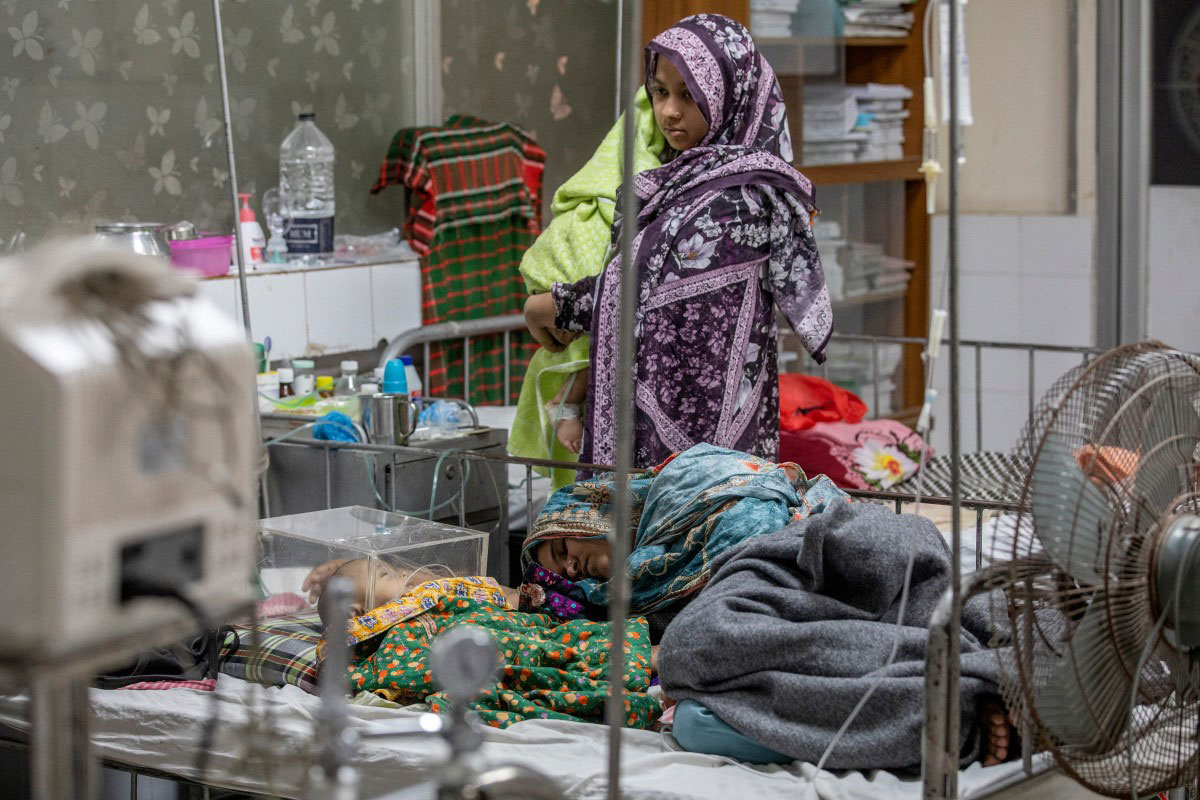
Surge in Measles-Related Fatalities Strains Bangladesh Healthcare
Bangladesh is facing a critical escalation in public health challenges as measles-like symptoms continue to claim lives at an accelerating rate. In a single 24-hour window ending at 8:00 am today, seven additional patients died, further compounding a national crisis that has already seen hundreds of fatalities this year.
The current trajectory of the outbreak suggests significant pressure on regional health infrastructure, particularly within hospital systems managing a massive influx of patients. Since mid-March, the healthcare system has absorbed tens of thousands of admissions, reflecting the highly contagious nature of the virus and the vulnerability of the affected populations, especially children in densely populated urban settlements and hard-to-reach rural districts.
Epidemiological Breakdown of the Current Outbreak
Health authorities say the scale of the current event is best understood by looking at both suspected and laboratory-confirmed figures. The gap between those two sets of numbers illustrates the breadth of the spread and the operational challenges of rapid diagnostic confirmation during a nationwide surge.
| Metric | Cumulative Total | Recent Update / Status |
|---|---|---|
| Combined Deaths (Confirmed & Suspected) | 738 | 7 deaths in last 24 hours |
| Suspected Deaths | 645 | Increasing trend |
| Laboratory-Confirmed Deaths | 93 | Stable |
| Suspected Cases | 105,618 | 925 new reported cases |
| Laboratory-Confirmed Cases | 12,632 | 106 new reported cases |
| Total Hospitalizations (Since March 15) | 88,844 | 85,122 recoveries |
Public health officials note that while suspected deaths are rising, the plateau in laboratory-confirmed fatalities may reflect both delays in testing and the impact of hospital-based clinical management in the worst-affected districts.
Diagnostic Gaps and Regulatory Challenges
A critical observation in the data from the Directorate General of Health Services (DGHS) is the disparity between suspected and confirmed cases. While over 100,000 suspected cases have been identified, only a small fraction have been laboratory-confirmed. This gap often points to systemic bottlenecks in diagnostic capacity, including limited access to molecular testing, shortages of trained laboratory personnel, or delays in sample transportation from rural upazila health complexes to central facilities.
From a regulatory perspective, the classification of deaths as “suspected” allows for rapid public health reporting under the country’s notifiable disease framework, overseen by the DGHS and the Ministry of Health and Family Welfare. Confirmed data, however, is essential for determining the exact strain of the virus, tracking potential importation or variant circulation, and assessing the efficacy of current vaccination protocols. Ensuring that diagnostic infrastructure keeps pace with clinical presentations is vital for targeted intervention, allocation of antiviral and supportive care, and decisions on where to prioritize emergency immunization drives.
Officials in Dhaka are also under pressure to improve real-time data sharing between public and private providers, as incomplete reporting can mask emerging hotspots and slow the deployment of mobile vaccination and outreach teams.
Public Health Resilience and Vaccine Coverage
Measles outbreaks on this scale typically indicate a breakdown in herd immunity, often driven by gaps in routine immunization coverage, disruptions during the COVID-19 pandemic, or the emergence of “immunity pockets” within marginalized and mobile populations. When vaccination rates fall below the critical threshold-generally cited as 95% for two doses of the measles-containing vaccine-the risk of explosive outbreaks increases significantly.
The systemic impact of this outbreak extends beyond immediate mortality, affecting overall health system capacity through:
- Bed Occupancy: The hospitalization of nearly 89,000 patients since March is stretching pediatric wards, intensive care units, and general medical facilities, forcing some hospitals to postpone elective procedures and reassign staff.
- Workforce Strain: Sustained high patient volumes increase the risk of healthcare worker burnout and infection, and can divert doctors, nurses, and community health workers from other essential maternal and child health services, including routine antenatal care and nutrition programs.
- Economic Burden: Large-scale hospitalizations, prolonged recoveries, and the need for catch-up and emergency vaccination campaigns place significant strain on national and local health budgets, with knock-on effects for other public health priorities.
For policymakers, the outbreak is exposing structural vulnerabilities in Bangladesh’s primary care network and disease surveillance systems. Addressing these weaknesses, experts say, will require a coordinated approach that focuses on strengthening primary healthcare to ensure that routine immunization schedules are maintained even during periods of social or economic instability, while also investing in district-level laboratories, cold-chain resilience, and risk communication that reaches communities traditionally left out of state health services.
Worth a look
