
SEOUL – Prosecutors have requested an 18-month prison sentence for Song Mino, a member of the group WINNER, during his first court appearance related to the intentional avoidance of mandatory military service.
The legal proceedings follow reports that Song skipped 102 days of his required service while assigned as a public service worker. Under current regulations, the offense carries a potential maximum penalty of three years in prison.
The case has drawn industry attention due to the intersection of South Korea’s strict compulsory service laws and the management of health conditions for high-profile entertainers. All able-bodied South Korean men are required to serve under the Military Service Act, with some recruits assigned to alternative roles such as public service workers following physical and psychological evaluations. During the trial, Song’s diagnosed medical conditions were entered into the record, leading to the resurfacing of previous public disclosures regarding his mental health.

Mental Health Disclosures
In 2022, Song appeared on Oh Eun Young’s Gold Counseling Center, where he disclosed a 2017 diagnosis of both bipolar disorder and panic disorder. At the time, the revelation was widely seen as unusually candid for an active K-pop idol and was framed as part of a broader push for more open discussion of mental health in the industry.
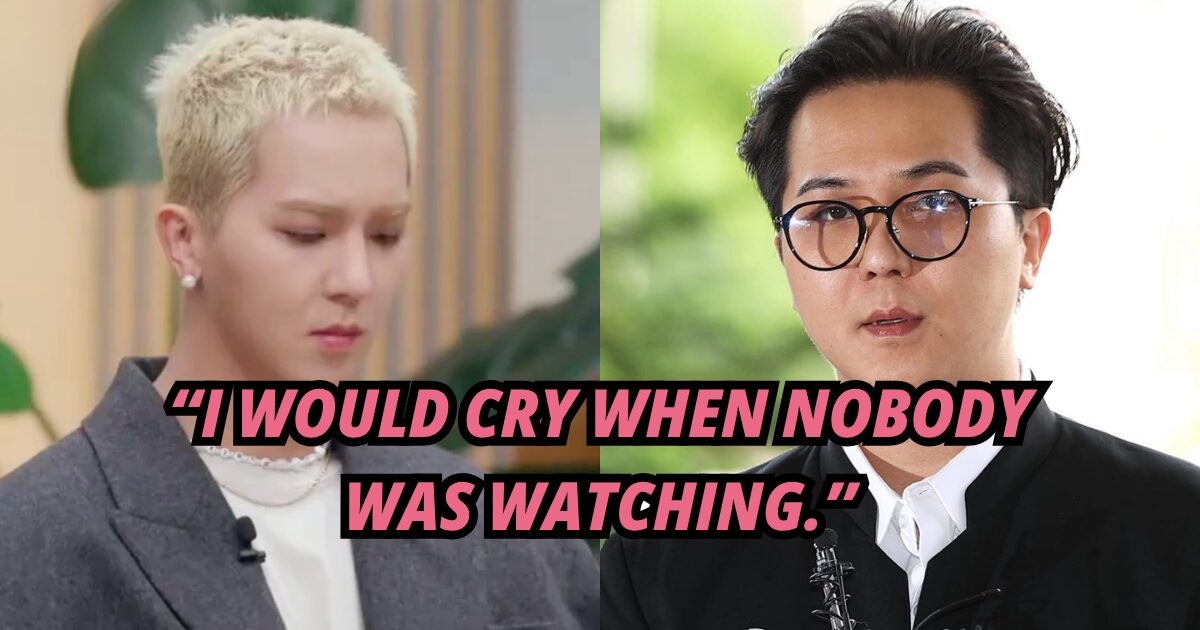
That is when I began to see a doctor. I was diagnosed with panic and bipolar disorder, so now I receive treatment and medicine for them. It was really hard. […] I would cry when nobody was watching after during filming breaks, and then go back to shoot again. Life felt tragic whenever the camera stops rolling.
– Song Mino
The trial has prompted a broader discussion regarding the debilitating nature of bipolar disorder, which is characterized by extreme mood swings ranging from mania to depression and, for some patients, can significantly impair daily functioning and the ability to maintain regular work schedules. Mental health advocates note that these conditions are already recognized within South Korea’s conscription system through medical evaluations, but argue that frontline implementation and stigma remain uneven.
Inside the courtroom, Song has reportedly acknowledged responsibility for his absences, stating that his disorders are not an excuse for his actions. Outside, however, the medical context has become a central point of debate among the public, legal observers, and fans, raising questions about how consistently alternative service arrangements and attendance requirements are enforced for conscripts with documented psychiatric conditions.
Daily MINO appreciation tweet, because I miss him, and I love him so much. I will never get over how brave he is, speaking so openly as an active idol and being a role model for us all. He deserves the world, and I can’t wait to get him back. pic.twitter.com/27bqSFCNlx
– Dahlia 🐲 Headmistress 💎👑 (@isagdragonrider) September 15, 2024
Social media reaction has been sharply divided. Some users emphasize the clinical reality of bipolar disorder and panic disorder and call for greater accommodations within public institutions, including the military and related public service placements. Others stress that equal enforcement of conscription rules is a core fairness issue in South Korea, where past scandals involving celebrities and elites have led to public outcry and periodic policy reviews.
People who don’t have bipolar don’t understand how extremely debilitating it is, I have type 2 and there are times I’ve called off work, with how my schedule is I can take a week off and have spent the whole time laying in bed https://t.co/Y9VyP3jDI2
– kels (@kyoongxxgrrrl) April 21, 2026
he’s so so brave for this, even tho he said in the trail his disorders are no excuse for his actions they are still the reason why he acted that way. I think yall with no mental illness are acting way too horrible and criticizing him way too much, mentally ill brain is not the- https://t.co/ExIvmsKeHn
– уuкı SAW 1VERSE 19/4🐝 (@rqtyuki) April 21, 2026
as someone who has bipolar 2 there is days where everything feel heavy like this year i take annual leave just to sleep and locked in my room for days so yeah hope mino surround by people who love him https://t.co/vpcib5R9tz
– Kìm in another dimension🍀😈 (@flowerroad50) April 21, 2026
For the entertainment industry, the outcome of the case will be closely watched as a potential reference point for how courts interpret absenteeism and medical documentation in future disputes involving artists performing alternative service. Any ruling will sit alongside internal guidelines from agencies and broadcasters, which have been under pressure in recent years to strengthen their own mental health support and crisis protocols for performers.

WINNER
The case remains in the trial phase as the court evaluates the prosecution’s request for an 18-month sentence. A final ruling will not only determine Song’s personal legal fate but may also signal how strictly authorities intend to police attendance and medical exemptions across South Korea’s broader system of compulsory service.
Keep reading
