
Sports
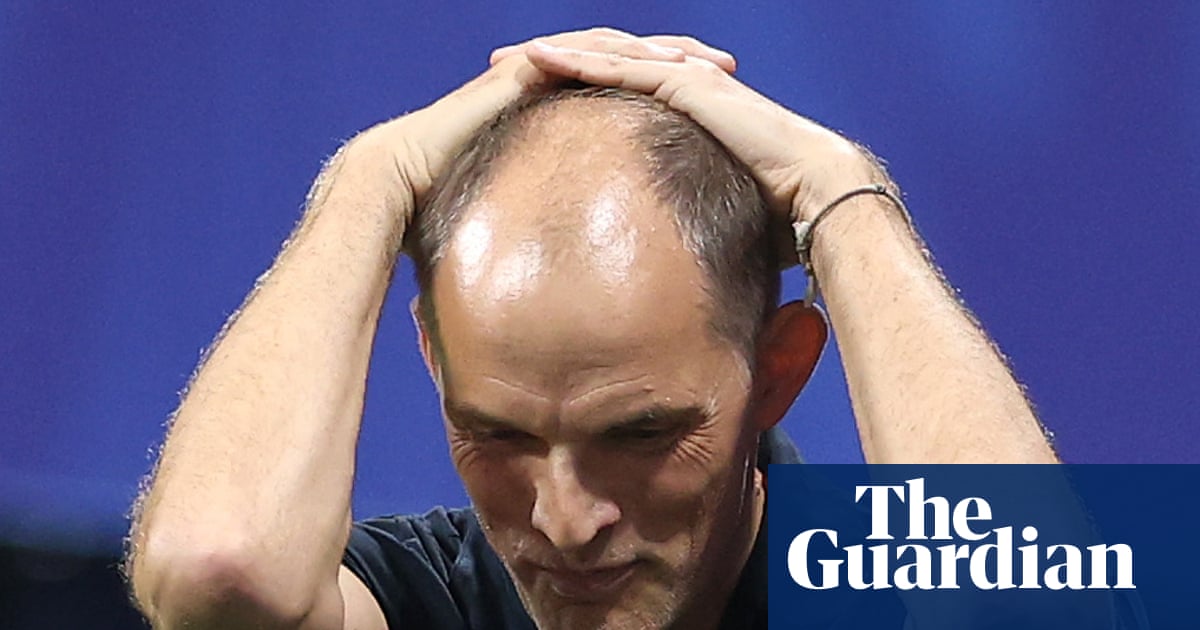
Tactical Shift Costs England as Argentina Secure World Cup Final Spot
Argentina have advanced to the World Cup final after a dramatic second-half comeback to defeat England in the semi-finals. The victory, sealed in Atlanta, ensures the reigning champions will face Spain in Sunday’s final in New York under the regulations of the FIFA World Cup 2026 competition rules.
England appeared to be on the verge of their first men’s World Cup final on foreign soil, taking a lead through Anthony Gordon early in the second half. However, the advantage was erased by a powerful strike from Enzo Fernández, before substitute Lautaro Martínez scored the winning goal in the second minute of injury time.
Match Summary
- England Goal: Anthony Gordon (early second half)
- Argentina Goals: Enzo Fernández, Lautaro Martínez (stoppage time)
- Final Result: Argentina advance to face Spain in the final
- Key Statistic: England held only 12% possession between taking the lead and conceding the winning goal, a spell that underlined how deeply they retreated.
England head coach Thomas Tuchel has taken full responsibility for the defeat, citing a tactical shift that left his side passive in the final stages. Tuchel opted to withdraw Declan Rice and Reece James and switch to a back-five formation just three minutes before Argentina’s equaliser, a move that effectively ceded territory and initiative.
“We decided to go to a back five because the gaps were far too open,” Tuchel said. “Argentina played with more risk, played with more rhythm and played with the feeling maybe that they had nothing to lose any more, which freed them up and pulled us back. Because we obviously played suddenly with a feeling that we had a lot to lose.”
Tuchel dismissed suggestions that the loss was due to a recurring “curse” regarding England’s mentality when leading, instead attributing the result to a lack of activity within the team’s structure and poor game management in the final 15 minutes, areas that will now come under scrutiny from the English FA and its technical department.
Are Tuchel’s tactics to blame for England’s World Cup defeat? – The Latest
England captain Harry Kane echoed the sentiment that the team became too defensive and failed to manage the momentum once ahead. “Once we went 1-0 up we just seemed to try to hold on which, at this level, is not enough,” Kane told the BBC. “It just was wave after wave and we were just trying to hold on… but in the end it wasn’t enough.”
The conclusion of the match was marked by high tension and incidents that may draw the attention of disciplinary officials. Jude Bellingham had to be restrained by reserve goalkeepers Dean Henderson and James Trafford after appearing to strike Argentina substitute Valentín Barco on the back of the head. Match officials did not issue an on-field punishment for the incident, but it could yet be reviewed under FIFA’s post-match disciplinary procedures.
Further volatility was seen in the celebrations of Manchester United defender Lisandro Martínez, who displayed a banner reading “Las Malvinas son Argentinas,” referencing the historical conflict over the Falkland Islands. The gesture, made on a global broadcast platform, risks inflaming a long-running sovereignty dispute and may invite examination under tournament rules on political, religious or personal slogans inside stadiums.
For Argentina, the victory reinforces a pattern of resilience seen throughout the FIFA World Cup. The squad previously overcame a 2-0 deficit to defeat Egypt in the round of 16, building a narrative of a side comfortable chasing games. Lautaro Martínez noted that England’s decision to drop back after scoring allowed Argentina more composure in their build-up play and enabled sustained pressure in the final third.
Argentina head coach Lionel Scaloni credited the team’s ability to perform under pressure rather than any single tactical adjustment. “This team plays best when they are facing adversity,” Scaloni said. “We had a challenging situation… but the team fought until the end. It shows what football means to us and it goes beyond tactics.” His comments underline a culture of resilience that has been central to Argentina’s back-to-back deep runs at major tournaments.
Jude Bellingham appeared to strike Valentín Barco on the back of the head after the game. Photograph: Michael Zemanek/Shutterstock
Argentina now look to secure a second consecutive title in the final against Spain, while England are left to analyse a tactical collapse and a fractious finish that denied them a place in the championship match and will shape the Football Association’s review of this World Cup campaign. For both national federations, the night in Atlanta will feed directly into long-term strategic decisions on coaching, player pathways and how to manage pressure at the sharp end of international tournaments, as world football’s centre of gravity again converges on North America and the 2026 showpiece in New York.
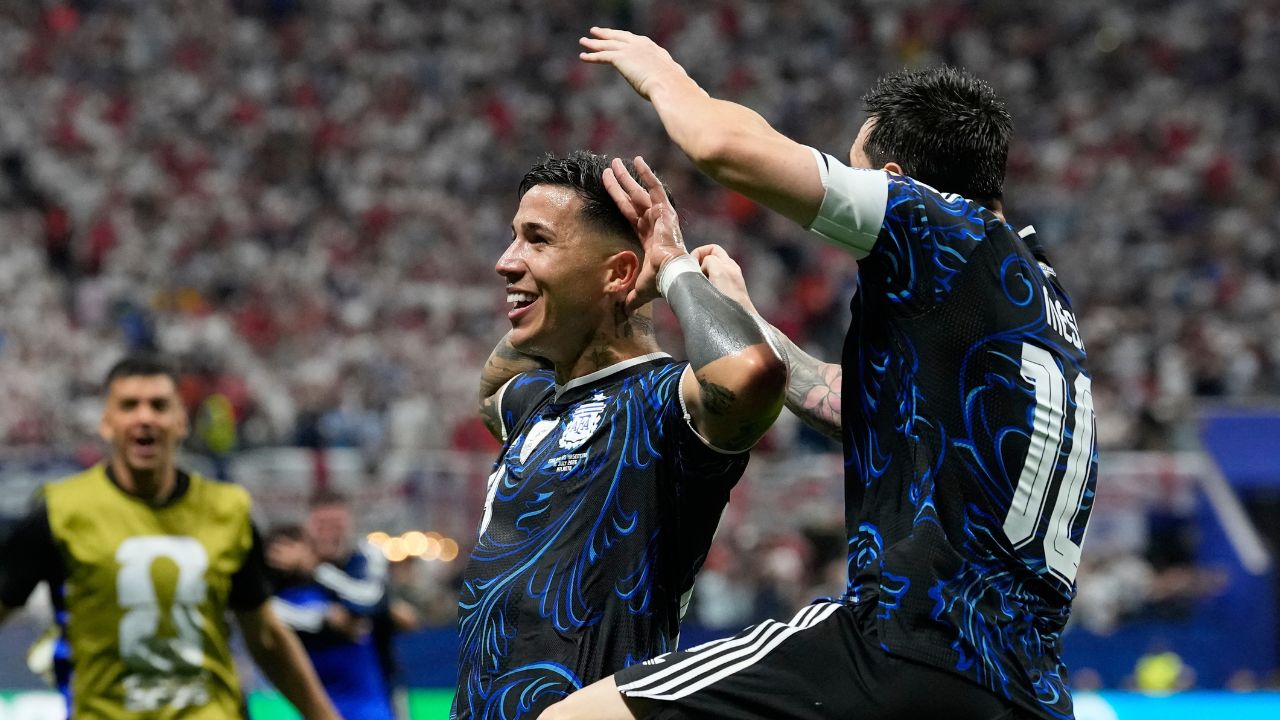
Argentina Edge England in Dramatic Semifinal to Secure World Cup Final Berth
A cagey, high-friction opening encounter transformed into a tactical battle of attrition on Wednesday in Atlanta, as Argentina overcame a second-half deficit to defeat England 2-1. The victory propels the world champions into the final, while England is left to contemplate a tactical collapse that cost them a historic opportunity to end a World Cup drought dating back to 1966.
The first half was defined by physical intensity rather than clinical finishing, recording 19 fouls and zero shots on target. This stalemate reinforced pre-match analytical models that predicted a low-scoring affair likely to be decided in extra time, underlining how little daylight there was between two sides ranked among the tournament favorites.
Match Summary: Argentina vs. England
- Result: Argentina 2, England 1
- England Scorer: Anthony Gordon (55′)
- Argentina Scorers: Enzo Fernandez (72′), Lautaro Martínez (90’+2)
- Key Playmaker: Lionel Messi (2 assists)
- Venue: Atlanta, USA
Tactical Shift and the Gordon Breakthrough
Within the framework of the expanded 2026 tournament overseen by the FIFA Statutes, semifinals are designed as neutral-venue showcases, and this one followed the script of a contest decided on the finest of margins.
The deadlock broke ten minutes into the second half when Anthony Gordon capitalized on a defensive lapse by Nahuel Molina at the back post to give England a 1-0 lead. For the first hour, England’s pressing game was highly effective, with Gordon, Morgan Rogers, and Declan Rice coordinating to create the separation necessary to break through the Argentine lines and disrupt Argentina’s buildup from deep.
However, the momentum shifted as Argentina adapted to the press. Bypassing England’s increasingly passive low block with a relentless series of crosses into the penalty area, Argentina began to dictate the tempo and push England deeper. This pressure eventually culminated in an emphatic strike from Enzo Fernandez, who equalized following a short corner routine that pulled England’s markers out of position.
The winning goal arrived two minutes into added time, when substitute Lautaro Martínez found the net, securing Argentina’s place in the final and highlighting the team’s documented resilience in late-game scenarios. This follows a pattern seen earlier in the tournament against Egypt and Switzerland; nine of Argentina’s last 11 goals in this competition have been scored after the 79th minute, a trend that speaks to both conditioning and in-game management from the touchline.
The Tuchel Debate: Defense vs. Aggression
The aftermath of the match focuses heavily on the decision-making of England manager Thomas Tuchel and, by extension, the strategic direction set by the Football Association’s technical leadership. After establishing a lead, England transitioned into what Tuchel described as a defensive posture, prioritizing the preservation of the 1-0 scoreline over the pursuit of a second goal.
The tactical pivot began with the removal of goal-scorer Anthony Gordon in favor of defender Ezri Konsa, shifting the formation to a back five and effectively ceding territory. In the final 10 minutes, Tuchel further reinforced the defense by introducing Nico O’Reilly and Dan Burn. This “siege mode” resulted in a deep low block that became increasingly exploitable under Argentine pressure, with England struggling to relieve pressure or maintain meaningful possession.
The decision to leave Arsenal’s Bukayo Saka on the bench and the late, ineffective introductions of Marcus Rashford and Ivan Toney have raised questions regarding England’s inability to secure a second goal to kill the game. Within a national setup that has invested heavily in an attacking identity, these tactical choices now place Tuchel’s tenure under scrutiny as the Football Association looks toward Euro 2028 and reviews whether its high-performance strategy is being reflected on the pitch.
Speaking after the match, Tuchel maintained his position: “I analyzed the match and I did it a certain way so that’s my responsibility. In the moment, no regrets. The team gave everything and we were very, very close.” The coming weeks will determine whether that stance satisfies decision-makers at Wembley, who must balance continuity with mounting public and media pressure.
The Inevitability of Lionel Messi
At 39, Lionel Messi remains the central axis of the Argentine attack and, crucially, the team’s problem-solver when matches tighten. By providing the assists for both goals, Messi exploited the space afforded to him by an England defense that struggled to contain him in the game’s closing stages, especially once England’s wide players were pinned back in defensive roles.
Messi’s statistical dominance throughout the FIFA World Cup is evident, leading the tournament in several key creative metrics. According to performance data provider WhoScored, Messi has completed more dribbles (24), created more chances (25) and created more big chances (8) than any other player at the 2026 World Cup. He’s either scored or assisted in every Argentina game at this tournament, a level of consistency that continues to shape Argentina’s tactical approach around maximizing his touches in decisive zones.
Individual Standouts
- Enzo Fernandez: The Chelsea midfielder combined physicality with technical brilliance, scoring the crucial equalizer to bring Argentina back into the match and repeatedly stepping into advanced positions to overwhelm England’s midfield pairing.
- Lautaro Martínez: The Inter Milan striker demonstrated his opportunistic nature, scoring the winner shortly after entering the match as a substitute and punishing England’s failure to clear yet another dangerous delivery into the box.
Road to the Final
Argentina now advances to face Spain in the final this Sunday at the New York New Jersey Stadium, a showpiece that will test Argentina’s late-game resilience against Spain’s possession-based control. Spain will likely seek to avoid the mistakes made by England, specifically the decision to grant Messi significant time and space in the final third and to retreat too early into a defensive shell.
England will travel to Miami for a third-place consolation match against France, while the English media and fans continue to debate the tactical direction of the national team under Tuchel. For the FA, the semifinal defeat is more than a missed sporting opportunity: it is a stress test of a long-term high-performance program and talent pathway that has been carefully built over the past decade, and which must now be reviewed without panic but with clear-eyed accountability.
Selection Gamble Puts McReight at Centre of Schmidt’s Final Wallabies Test
Fraser McReight has been handed a pivotal role in Joe Schmidt’s final match in charge of Australia, with the Wallabies coach making a high-stakes selection call around his openside flanker for the concluding Test of their mid‑year Nations Championship campaign.
The decision comes just days after Australia’s heavy loss to France in Brisbane, a match in which McReight scored twice in the first half before the Wallabies were overrun 42‑26. That defeat extended an already damaging run of results and sharpened scrutiny on every pick Schmidt makes as his tenure draws to a close.([rte.ie](https://www.rte.ie/sport/rugby/2026/0711/1582877-france-bounce-back-to-thrash-australia-42-26/?utm_source=openai))
McReight’s Impact Amid Wallabies’ Slide
Against France at Suncorp Stadium, McReight underlined why he has become central to Australia’s plans at No. 7. He crossed for two tries before half-time, finishing a powerful maul and capitalising on forward dominance close to the line as the Wallabies surged to a 21‑12 lead.([rte.ie](https://www.rte.ie/sport/rugby/2026/0711/1582877-france-bounce-back-to-thrash-australia-42-26/?utm_source=openai))
His influence extended beyond the scoreboard. McReight was heavily involved at the breakdown and in cover defence, including crucial interventions near his own line as France pressed.([rugbyisthegame.com](https://rugbyisthegame.com/2026/07/11/australia-v-france-nations-championship-round-2-2026/?utm_source=openai)) Yet those contributions ultimately counted for little as the Six Nations champions ran in 30 unanswered points in the second half to claim a convincing win and leave Australia with nine defeats in their last 10 Tests.([rte.ie](https://www.rte.ie/sport/rugby/2026/0711/1582877-france-bounce-back-to-thrash-australia-42-26/?utm_source=openai))
That contrast – individual excellence in a team struggling to close out matches – is at the heart of Schmidt’s gamble. In persisting with McReight as a focal point of his back‑row balance, the coach is banking on the openside’s turnover threat and try-scoring instincts to help unlock a more ruthless Wallabies performance in his farewell Test.
High Stakes for Schmidt’s Tenure and Australia’s Trajectory
The upcoming fixture, against an Italy side that itself suffered a heavy defeat to New Zealand on the same Nations Championship weekend, will be Schmidt’s last in charge before Les Kiss takes over the national team.([rte.ie](https://www.rte.ie/sport/rugby/2026/0711/1582877-france-bounce-back-to-thrash-australia-42-26/?utm_source=openai))
After a winless tour of Europe at the end of 2025 and a British and Irish Lions series lost on a controversial final‑minute try in Melbourne last year, Schmidt’s tenure has been defined by narrow misses and missed opportunities as much as structural rebuilding.([abc.net.au](https://www.abc.net.au/news/2025-07-26/wallabies-british-and-irish-lions-live-second-test-melbourne/105563418?utm_source=openai)) The France defeat, coming on home soil after a promising first half, reinforced the sense of a team stuck between promise and delivery.
Within that context, his insistence on backing McReight sends a clear competitive signal. The Wallabies have cycled through combinations in search of the right mix up front and at fly‑half, using a succession of specialist No. 10s amid what Schmidt himself has described as a “curse” on the position due to injuries.([abc.net.au](https://www.abc.net.au/news/2026-07-10/wallabies-on-losing-streak-ahead-of-test-match-against-france/106902824?utm_source=openai)) By contrast, the openside role has become one of the few areas of continuity, with McReight operating as a cornerstone of Schmidt’s defensive and breakdown strategy.
The broader implications are twofold:
- Short term: A strong showing in the final Test would stabilise a deteriorating win‑loss record and offer a more positive handover to the incoming head coach.
- Medium term: Cementing McReight as the first‑choice No. 7 provides a clear reference point for Australia’s back‑row construction heading towards a home Rugby World Cup, where breakdown dominance and defensive work-rate will be decisive.([abc.net.au](https://www.abc.net.au/news/2026-07-10/wallabies-on-losing-streak-ahead-of-test-match-against-france/106902824?utm_source=openai))
Pressure of the Nations Championship Stage
The Nations Championship – administered globally by World Rugby – has heightened scrutiny on every Test selection. The tournament’s structured calendar locks leading nations into regular fixtures against tier‑one opponents, meaning form trends and selection experiments are exposed immediately against elite opposition.
For Australia, that has meant their recent shortcomings are measured directly against teams such as Ireland and France, who have arrived with established systems and stable combinations. The Wallabies’ second‑half collapse in Brisbane, coming a week after they squandered a promising position against Ireland, has reinforced the perception of a side struggling to produce an 80‑minute performance under sustained pressure.([theguardian.com](https://www.theguardian.com/sport/2026/jul/11/australia-wallabies-france-nations-championship-2026-match-report?utm_source=openai))
In that environment, backing a ball‑winning openside like McReight is an attempt to tilt the margins. Turnovers in the middle third can transform matches in the Nations Championship format, where momentum swings and quick‑strike scores are often decisive in tightly scheduled windows.
Balancing Breakdown Brilliance with Game Management
Schmidt’s challenge in this final outing is to ensure McReight’s influence at the ruck translates into scoreboard pressure rather than isolated highlights. Against France, Australian dominance around the contact area in the first half and the flanker’s brace of tries did not prevent a second‑half unraveling once the visitors adjusted their kicking and territorial strategy.([theguardian.com](https://www.theguardian.com/sport/blog/2026/jul/12/wallabies-australia-france-rugby-joe-schmidt-gap?utm_source=openai))
That dynamic places a premium on how the Wallabies connect McReight’s work to their decision‑making in the halves and back three. Earlier in the campaign, selection at fly‑half and the revolving door created by injuries forced Schmidt into repeated changes, reducing cohesion at the very moment his side needed clarity on when to take points, when to kick long and when to stretch opponents through multi‑phase attack.([abc.net.au](https://www.abc.net.au/news/2026-07-10/wallabies-on-losing-streak-ahead-of-test-match-against-france/106902824?utm_source=openai))
If Australia can convert breakdown wins into disciplined field position and measured scoreboard pressure, McReight’s presence could help flip a narrative that has been dominated by late concessions and squandered leads.
What the Final Test Means for McReight and the Wallabies
Individually, this match offers McReight a chance to confirm his status as the Wallabies’ long‑term openside in the post‑Schmidt era. He has already shown an ability to influence matches through tries, turnovers and defensive work, standing out even in defeats to high‑calibre opposition.([theguardian.com](https://www.theguardian.com/sport/blog/2026/jul/12/wallabies-australia-france-rugby-joe-schmidt-gap?utm_source=openai))
Collectively, the fixture represents an inflection point. A victory would not erase the recent run of results, but it would provide tangible evidence that the structural foundations Schmidt has attempted to lay – around breakdown discipline, defensive systems and selection continuity in key positions – can produce results when executed over 80 minutes.
For Kiss and his incoming staff, inheriting a side with a clearly established leader in the No. 7 jersey would be a practical starting point. For McReight, delivering once more under the microscope of Schmidt’s final Test would convert his coach’s selection gamble into a defining statement about where Australia’s next cycle begins.
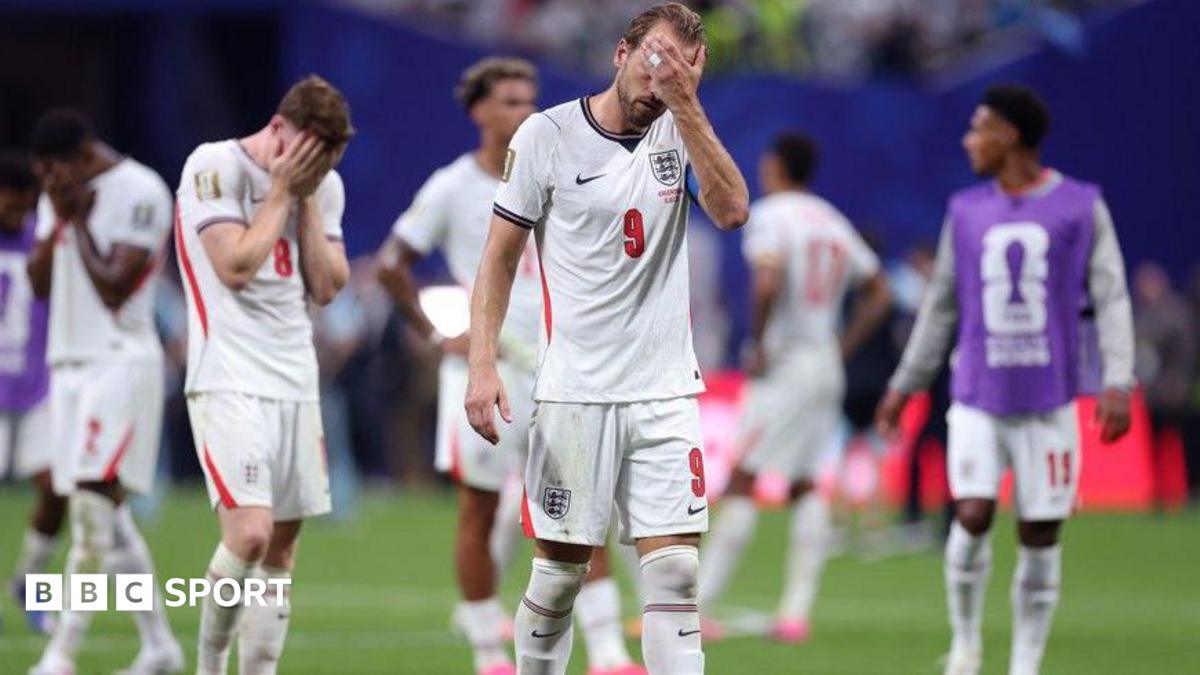
Tactical Retreat: Defensive Shift Costs England World Cup Semi-Final
England’s journey toward a World Cup title ended in disappointment on Wednesday, as a tactical pivot by manager Thomas Tuchel saw a narrow lead evaporate against Argentina. Despite a tournament defined by resilience and late turnarounds, the Three Lions were unable to withstand the pressure of a late Argentinian surge, raising serious questions about the team’s approach to closing out major games and, by extension, the decision-making culture around the national side.
England entered the semi-final having demonstrated significant character throughout the competition. The squad had successfully navigated high-pressure scenarios, coming from behind to secure victories over DR Congo in the round of 32 and Norway in the quarter-finals, following a controlled win against Mexico in the last 16. Those performances had been heralded by the Football Association as evidence that long-term investment in elite coaching pathways and sports psychology was finally paying off.
The match appeared to be swinging decisively in England’s favor when Gordon scored ten minutes into the second half, giving the Three Lions a 1-0 lead and briefly vindicating Tuchel’s selection choices. However, the momentum shifted as England retreated into a defensive shell, surrendering the initiative to an Argentina side led by Lionel Messi and stacked with attacking options. Instead of pressing for a second goal, England ceded territory and possession, inviting precisely the kind of sustained pressure they had vowed to avoid in this World Cup cycle, governed by the competition regulations of the FIFA World Cup.
### Tactical Timeline and Substitutions
The point of contention for analysts and fans alike was the sequence of defensive reinforcements introduced by Tuchel while England held the lead, a series of choices that transformed a proactive game plan into reactive damage limitation:
- 72nd minute: Ezri Konsa replaced Gordon, shifting the formation to a back five and leaving England with reduced outlets in transition.
- 82nd minute: Further defensive depth was added with the introduction of Burn and O’Reilly, effectively conceding midfield control as Argentina pushed higher.
- Added time: Marcus Rashford and Ollie Toney were brought on as forwards, though the move arrived too late to re-establish an attacking threat or disrupt Argentina’s rhythm.
Each substitution, viewed in isolation, could be framed as pragmatic game management. Taken together, they signalled a clear shift in intent-from seeking to kill the game with a second goal to simply trying to survive the remaining minutes. That message was not lost on Argentina, who began to commit more players forward, confident that England no longer posed a serious counter-attacking threat.
### Analysis of the Coaching Collapse
The decision to prioritize defense over a second goal has been labeled a “coaching catastrophe” by observers. The structural change allowed Argentina to establish a rhythmic passing flow, freeing Lionel Messi to operate in the pocket between England’s midfield and back line, and repeatedly drawing the reconfigured defense out of shape.
Former England captain Alan Shearer noted that while opponents like Norway or Mexico may have lacked the clinical edge to punish a deep defensive block, Argentina possessed the technical quality and tournament pedigree to exploit even half-chances. Micah Richards echoed this sentiment, arguing that dropping so deep not only conceded territory but also handed the psychological initiative to the opposition, giving them the confidence and control necessary to mount a comeback.
The failure to maintain offensive pressure reflects a recurring psychological hurdle for the national team: the instinct to protect what they have rather than to extend a lead. Joe Hart observed that the tendency to “shut up shop” after taking a lead-a tactic often criticized during Gareth Southgate’s tenure-remained evident despite the change in leadership, raising uncomfortable questions about whether the issue lies solely with the manager or with a deeper institutional conservatism within England’s football set-up.
For the Football Association, which oversees the appointment, remit, and review of the national team coach under its own governance framework and in line with broader football governance rules, this match will form a critical case study. The pattern of retreat under pressure touches not just on tactics, but on how risk appetite, performance metrics, and accountability are defined at the very top of the English game.
### Historical Context and Future Implications
The loss extends a difficult history between the two nations, evoking memories of the 1986 “Hand of God” incident and the bruising defeat in 1998. While those matches were marked by external controversy and officiating flashpoints, Wednesday’s exit is being viewed as a self-inflicted wound-one in which England controlled the game state, only to relinquish it through choice rather than circumstance.
This result carries significant weight for the future of the World Cup cycle. The decision-making process during the final 30 minutes of the semi-final has placed Thomas Tuchel under intense scrutiny, not only from supporters but also from the administrators who will decide whether his tenure embodies the more progressive, front-foot identity the FA has publicly championed. When a manager opts for negativity in a high-stakes knockout game, it creates a crisis of confidence regarding their ability to lead the team forward in future tournaments where marginal, judgment-based decisions have systemic consequences-on youth development priorities, on coaching philosophy, and on how England measures success beyond simply reaching the latter stages.
The loss not only ends England’s hopes for the trophy but also leaves a lingering question about whether the squad-and the institutions that shape it-can ever move past their historical tendency to retreat when victory is within reach. The coming weeks will test not just Tuchel’s position, but the willingness of England’s football authorities to confront the conservative instincts that once again turned a winning platform into a painful exit.
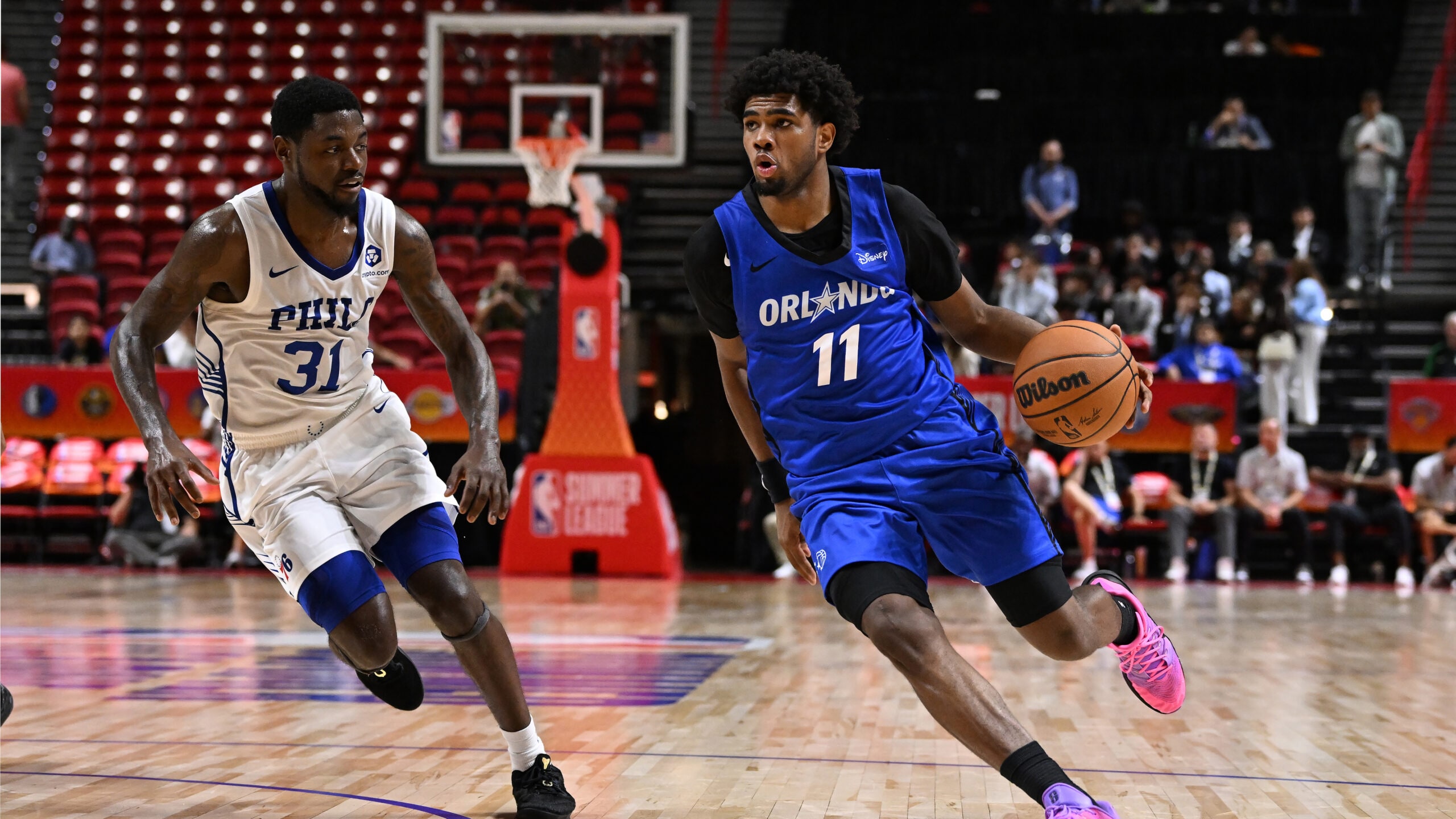
Richardson Leads Magic Past 76ers as Orlando Strengthens Summer League Platform
The Magic defeated the 76ers, 99-92, to improve to 3-1, as the 76ers fall to 2-2 in the 2026 NBA Summer League.
 Orlando Magic logo” height=”40″/> Magic 99,
  76ers 92
Fast start powers Orlando’s control in Las Vegas
LAS VEGAS – Jase Richardson scored 25 points and Alex Morales compiled a 13-point, 10-rebound double-double as the Orlando Magic defeated the Philadelphia 76ers 99-92 in the 2026 NBA Las Vegas Summer League on Wednesday, July 15.
With the result, Orlando improved to 3-1 while Philadelphia dropped to 2-2 in the exhibition competition, which is operated under the rules and oversight of the National Basketball Association.
The Magic established control early and never surrendered it. A 17-3 surge midway through the first quarter opened up a double-digit advantage, and Orlando led 30-17 after the opening 10 minutes. That cushion allowed the coaching staff to keep the game on their terms, using set rotations and half-court structure rather than chasing the contest from behind.
Second-quarter separation proves decisive
Orlando’s most dominant stretch came before halftime. The Magic outscored the 76ers 35-20 in the second quarter, extending the margin to 65-37 at the break.
That 28-point halftime lead effectively decided the game, giving the Magic room to manage minutes, trial combinations and maintain composure even as Philadelphia responded after the interval. For a Summer League environment designed to assess young players and fringe roster candidates, building and protecting a lead of that size underlined Orlando’s organizational emphasis on execution rather than individual showcase play.
Balanced Magic lineup underpins development goals
While Richardson’s 25 points provided the headline scoring, Orlando’s starting unit delivered the kind of balance that front offices seek in a short-format tournament.
- Jase Richardson – 25 points
- Alex Morales – 13 points, 10 rebounds
- Colin Castleton – 14 points, 6 rebounds
- Lester Quinones – 12 points
- Noah Penda – 10 points, 6 rebounds, 6 assists
All five starters finished in double figures, with Castleton anchoring inside and Penda contributing across scoring, rebounding and playmaking categories. For an international audience less familiar with the structure, Las Vegas Summer League is often where teams test offensive sets, defensive schemes and on-court responsibilities for young players; a starting group this evenly involved suggests Orlando is prioritizing system fit alongside individual evaluation.
76ers’ core shows resistance after early deficit
Philadelphia’s starters were unable to erase the early damage on the scoreboard but still produced notable individual performances, important for both roster decisions and future opportunities within the organization.
- Amani Lyles – 18 points, 6 rebounds
- Dante Maddox Jr. – 17 points
- Labaron Philon – 15 points, 6 rebounds, 6 assists
Lyles led the 76ers in scoring while contributing on the glass, and Maddox Jr. added 17 points to keep the contest competitive after halftime. Labaron Philon, a first-round pick in the 2026 NBA Draft out of Alabama, combined 15 points with six rebounds and six assists, underlining the dual scoring and creation responsibilities that often fall on young guards in this setting.
For the 76ers, moving to 2-2 does not carry direct consequences in terms of regular-season standings, but the performance data from players such as Philon, Lyles and Maddox Jr. will inform contract decisions, training camp roles and potential assignments across the organization’s depth chart.
Implications for team building and evaluation
Summer League results do not award titles that alter the NBA’s competitive balance, yet games like this are central to how franchises prepare for forthcoming seasons. Orlando’s 3-1 record and the way it was achieved – with a commanding first half and contributions spread across the starting lineup – strengthens the internal case for several players as part of the club’s medium-term plans, whether on standard contracts, two-way slots or affiliate roles.
For Philadelphia, returning from a substantial early deficit to narrow the final margin to 99-92 offers evidence of resilience and conditioning, both important in a tournament with tight scheduling and quick turnarounds. At the same time, the first-half defensive lapses and Orlando’s 65-point output before the interval will be a focus for technical staff assessing schemes and individual responsibilities.
In a competition specifically designed as a regulated testing ground for prospects, rotational players and overseas talent, this matchup in Las Vegas provided both organizations with clear indicators: Orlando showcased a functioning framework around Richardson’s scoring and Morales’ all-round contribution, while the 76ers gained another high-usage sample from Philon and key perimeter options as they refine plans for the next stage of the professional calendar.
UK Government Proposes Ban on Unlicensed Gambling Sponsorships in Sport
The UK government has announced plans to ban sports teams from accepting sponsorship deals with unlicensed casinos, a move that threatens the commercial revenue streams of several Premier League football clubs and high-profile international sporting events.
The proposed regulations target the use of logos on kits, stadium infrastructure, and pitch-side hoardings. Ministers have initiated an eight-week consultation on the proposals, with a potential ban coming into effect as early as August 2027, and no later than August 2028. The measures would amend the existing framework overseen by the Gambling Commission, which licenses and regulates betting operators in Great Britain.
Currently, sports organizations can accept funding from gambling companies that do not hold a Gambling Commission licence, provided those companies do not actively accept bets from consumers within Great Britain. However, the government has expressed concern that UK-based individuals are bypassing these restrictions via virtual private networks (VPNs) after being exposed to advertising through sports partnerships, undermining the purpose of the domestic licensing regime.
Commercial Implications for Premier League Clubs
The shift in regulatory approach would turn currently legal commercial agreements into criminal offences for clubs and rights-holders that continue to promote unlicensed operators once the transition period ends. This creates significant financial and legal uncertainty for several top-flight football clubs that have already committed to multi-year partnerships with unlicensed entities.
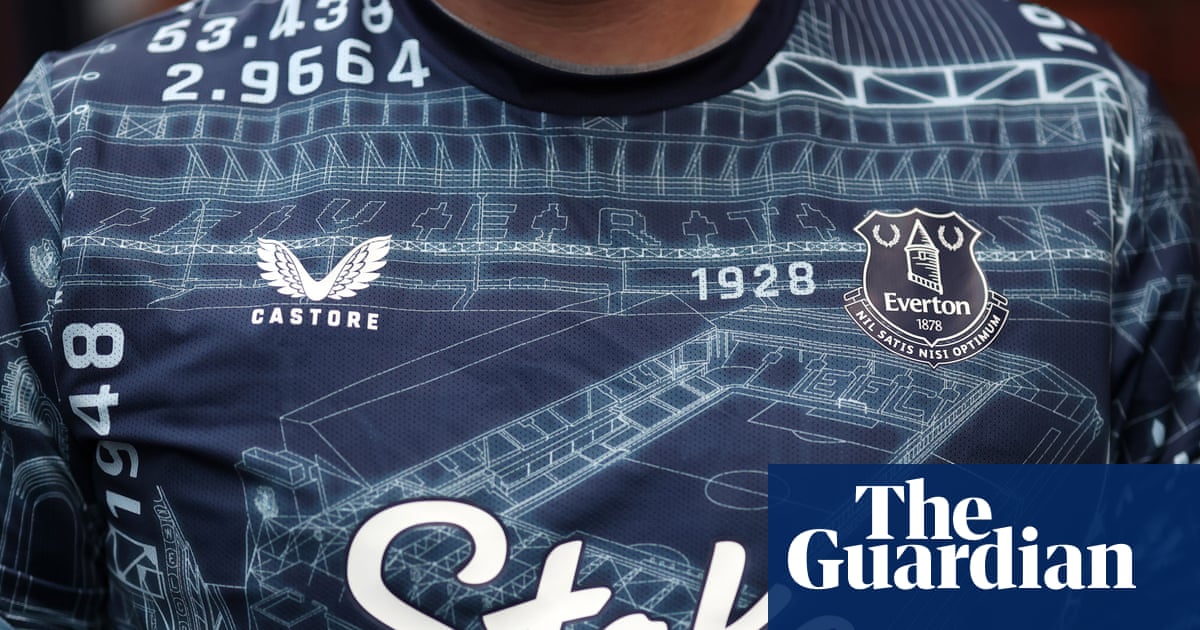
Everton FC is particularly exposed. The club signed a sleeve sponsorship deal in June with Stake.com, a crypto casino lacking a British licence. The agreement is understood to be worth at least £10 million and was intended to run until the end of the 2028-29 season. Depending on the final implementation date of the ban and any grace periods written into legislation, Everton could be forced to terminate the contract early, potentially losing a year or more of guaranteed revenue or facing a costly renegotiation.
Other Premier League clubs facing similar risks include:
- Chelsea: Partnered with 8Xbet
- Ipswich Town: Partnered with 8Xbet
- Fulham: Partnered with SBOTOP
Club executives are expected to scrutinise force majeure and regulatory change clauses in existing contracts, as well as seek clarity from the government on whether compensation or phased compliance will be required.
This government crackdown is separate from a voluntary agreement reached by Premier League clubs to cease gambling advertisements on the front of match-day kits starting in the 2026-27 season. Taken together, however, the measures signal a decisive policy shift away from the visibility of betting brands in English football’s most-watched competition.
Impact on Global Motorsports and Snooker
The proposed legislation extends beyond football, affecting sports with a strong UK presence or those hosting major events on British soil, from top-tier motorsport to indoor cue sports and emerging tournaments that rely heavily on gambling money.
In Formula One, the ban could lead to complex logistical requirements for teams. Stake.com has previously sponsored the Sauber team; under the new rules, any similar future partnerships could require teams to remove gambling-related decals specifically for the British Grand Prix to avoid criminal liability. Teams may have to prepare UK-specific liveries, signage plans and hospitality branding months in advance of the race calendar.
The World Snooker Tour is also affected, as its current sponsor, Sportsbet.io, does not hold a licence to operate within Great Britain. Organisers could be forced to rebrand events, renegotiate title sponsorships or seek new backers if the legislation proceeds in its current form, with knock-on effects for prize money and grassroots funding.
Regulatory Rationale and Scope
The government states that the primary drivers for the ban are the protection of vulnerable individuals and the mitigation of risks associated with organized crime groups using sports sponsorships as a vehicle for money laundering. Ministers argue that requiring sponsors to be fully licensed brings all major commercial partners within the same due-diligence and affordability checks that apply to operators taking bets directly from UK consumers.
Gambling minister Fiona Twycross noted that while the majority of sports sectors will remain unaffected-because their partners already hold UK licences or are non-gambling brands-specific clubs and organizations will face direct impacts and will need to adapt their commercial strategies. Industry and civil-society groups are expected to use the consultation period to argue over the precise definition of “unlicensed” and whether exemptions should apply to legacy deals or low-visibility assets.
Current proposals focus on physical visibility. The government has clarified that online partnerships, such as digital-only branding, affiliate links or offshore-facing content, are not covered by this specific ban, as they would require separate legislation. Officials indicated they would consider such a move if deemed necessary, in line with broader reforms emerging from the government’s ongoing review of gambling law.
There has been no suggestion of wrongdoing by the betting companies mentioned in the proposal. Instead, the move reflects a policy choice to align commercial sponsorship more tightly with the UK’s licensing regime, and to reduce the exposure of fans in stadiums and on domestic broadcasts to firms operating outside that framework.
Brewers Bet on Pitching Lab and Payroll Flexibility in Complex McCullers-Gordon Deal with Astros
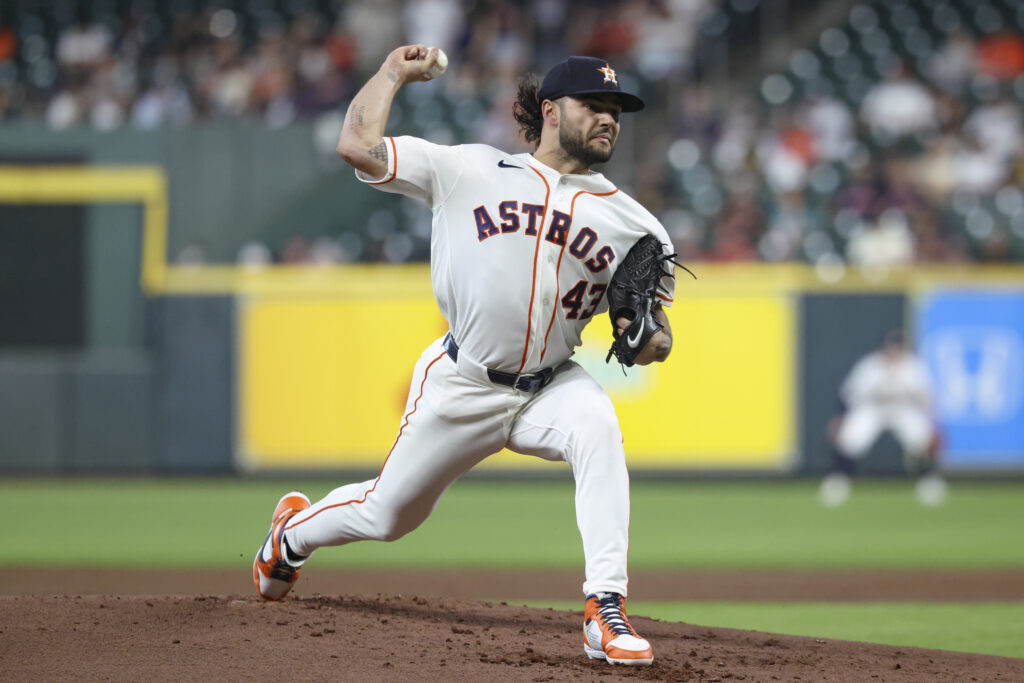
The Milwaukee Brewers are moving to stabilize a battered pitching staff with a trade for right-hander Lance McCullers Jr. and left-hander Colton Gordon from the Houston Astros, a deal that blends short-term risk with longer-term upside and notable payroll maneuvering.
Milwaukee is reportedly finalizing the agreement and will assume an as-yet-undisclosed portion of the salary remaining on McCullers’ contract while acquiring Gordon, a 27-year-old left-hander with minor league options and multiple seasons of club control. Houston’s return package has not been revealed, but indications are that it does not involve any of the Brewers’ most prominent prospects. The trade has not yet been formally announced.
Salary Relief for Astros, Rehabilitation Project for Brewers
For Houston, the move is fundamentally financial. McCullers is earning $17 million in the final season of a five-year, $85 million extension that included a full no-trade clause. He has agreed to waive that protection to facilitate the switch to Milwaukee.
The right-hander, now 32, has not pitched since May 13 because of a shoulder issue and has struggled for effectiveness when available. He began a minor league rehabilitation assignment on June 25 and has made three solid appearances, but his recent major league track record has been well below his earlier standard. Since the start of last season, McCullers has posted a 6.65 ERA over 94 2/3 innings and is still owed roughly $6.672 million of his current salary.
Moving even a portion of that commitment gives the Astros a measure of flexibility as they approach the Aug. 3 trade deadline under the financial and competitive framework of Major League Baseball’s Competitive Balance Tax system. Houston’s CBT payroll sat at $238,329,588 before this transaction, placing the club just $5.67 million below the first tax threshold-an area where ownership has historically shown caution.
Houston has exceeded the threshold twice in the past, and proximity to that line has previously shaped high-profile decisions, including trades that moved established players. Shedding part of McCullers’ contract eases pressure on the front office as it looks for bullpen help and a left-handed-hitting outfielder in the weeks ahead, while also resolving how to accommodate McCullers’ roster spot once his rehab assignment expires.
From Rotation Anchor to Injury Puzzle
The gamble for Milwaukee is built on McCullers’ track record before a prolonged series of injuries. From 2015-21, the 2012 No. 41 overall draft pick logged 671 innings for Houston with a 3.57 ERA, a 26.6% strikeout rate, a 9.7% walk rate and an elite 55.5% ground-ball rate. Even in an injury-shortened 2022 season, he delivered a 2.27 ERA over 47 2/3 innings in eight starts and has compiled a 3.47 ERA in 72 2/3 career postseason innings, underscoring his role in October runs during the Astros’ sustained contention window.
That version of McCullers, however, has been eroded by repeated arm issues. He missed the entire 2019 season following Tommy John surgery, did not debut in 2022 until Aug. 13 because of flexor problems, and then opened 2023 on the injured list with renewed flexor trouble that culminated in surgery to repair his right flexor tendon and remove bone spurs from his elbow.
Since returning to action in 2025, his stuff has backed up materially. McCullers’ sinker has averaged 91.4 mph-down from the 94 mph he flashed prior to his flexor and shoulder setbacks. The consequences show up across his profile: swinging-strike and strikeout rates have declined, opponents’ contact rate has climbed, and the quality of that contact has spiked. Since last season, opposing hitters have averaged 90.9 mph in exit velocity against him with a 50% hard-hit rate, compared with a combined 88.8 mph and 35.2% over the 2015-22 period.
For a Brewers team renowned for its pitching development infrastructure, that degradation is both a red flag and an opportunity. Milwaukee’s pitching group has earned a reputation for squeezing value from arms acquired at modest cost, helping unlock or revive performance from pitchers such as Quinn Priester, Kyle Harrison, Tobias Myers, Trevor Megill, Joel Payamps, Bryan Hudson and Bryse Wilson in recent seasons.
If the “pitch lab” can restore some of McCullers’ movement and deception, even without a full velocity rebound, Milwaukee could uncover mid-rotation value or a high-leverage relief option from a contract that, for Houston, had become largely a sunk cost. If not, the Brewers retain the option to use McCullers as a bullpen piece or, in the most pessimistic scenario, treat part of his contract simply as the acquisition cost for Gordon.
Gordon Brings Years of Control and Roster Flexibility
While McCullers’ name and résumé headline the deal, Gordon is arguably the more strategically important asset for Milwaukee. The 6-foot-4, 225-pound left-hander has only 95 1/3 major league innings, including 9 1/3 this season, over which he has been hit hard: a 5.95 ERA, a below-average 19.3% strikeout rate but an excellent 5.1% walk rate. The issue has been the long ball. Gordon has been too vulnerable to home runs, a problem not helped by the short left-field porch at Houston’s Daikin Park, even though he has generally avoided extreme hard contact.
The surface numbers obscure a more stable Triple-A record. Across parts of four seasons at the top minor league level, Gordon has recorded a sub-4.00 ERA in each of the last three years. In 285 innings for Houston’s Triple-A affiliate in Sugar Land, he holds a 3.85 ERA with a 21.8% strikeout rate and 7.5% walk rate, suggesting a pitcher with a reasonable command foundation and enough stuff to compete in a starting or swing role.
Originally taken in the eighth round of the 2021 draft, Gordon deploys a five-pitch mix. His four-seam fastball averages 91.1 mph, complemented by a sinker (91.4 mph), slider (81.1 mph), changeup (83.8 mph) and curveball (75.5 mph). In the majors he has been hit hard by both right- and left-handed batters, but his minor league body of work shows a stronger record against lefties and respectable numbers against right-handers; in 2024, he held hitters on both sides of the plate to an OPS below .700 across 123 1/3 Triple-A innings.
From a roster-building standpoint, Gordon’s remaining minor league options and service-time status matter almost as much as his pitch mix. He is in the second of his three option years, enabling Milwaukee to move him between the big league club and Triple-A Nashville this season and next without exposing him to waivers.
Entering 2026, Gordon carried 112 days of MLB service and has since added 14. If he accrues 46 more days on the active roster or injured list this year, he will reach one full year of service and be under club control for five further seasons, through 2031. If his remaining time in the majors is 45 days or fewer, he will fall short of that threshold and remain under team control for six full seasons, through 2032. How Milwaukee manages his usage in the second half will therefore shape both his arbitration trajectory and the long-term cost structure of the pitching staff.
Brewers Respond to Rotation Crisis with Layered Depth
The timing of the move reflects a rotation under strain in Milwaukee. The Brewers’ starting group has absorbed several significant blows:
- Quinn Priester recently underwent thoracic outlet surgery and will not pitch again this season.
- Kyle Harrison, whose 2026 emergence mirrored Priester’s 2025 breakout, was placed on the injured list a week ago after pitching through elbow discomfort for several starts.
- Brandon Woodruff has been excellent when available, posting a 2.98 ERA over nine starts, but he returned from the injured list only to make three outings before recurring symptoms forced a move to the 60-day IL.
Those setbacks have thinned both the major league rotation and the upper levels of the minor league depth chart. At present, the staff is fronted by Jacob Misiorowski, who is performing at a level that places him firmly in the National League Cy Young conversation, but the certainty drops quickly behind him.
Logan Henderson, a top-100 prospect, has opened his major league career effectively, yet he has only 53 2/3 innings at this level. Brandon Sproat, another recent top-100 arm, has stabilized after a difficult start to the year, and left-hander Robert Gasser has been “good more often than not” despite a 5.24 ERA that is heavily influenced by a seven-run outing on July 12 in his first full season back from Tommy John surgery.
Shane Drohan, acquired from Boston along with Harrison in February’s Caleb Durbin trade, has stepped in impressively, but he is a 27-year-old making his debut season in the majors. The collection of promising but inexperienced arms underlines why Milwaukee was willing to add both a veteran with postseason pedigree and a controllable left-hander who can move up and down as needs dictate.
In that context, McCullers and Gordon serve two different columns on the depth chart. Either could claim a spot in the rotation once McCullers completes his rehab assignment; both could also be deployed more flexibly, with McCullers transitioning to the bullpen if his stuff plays better in short bursts and Gordon shuttling between the majors and Triple-A to cover innings, matchups or injury gaps.
Astros Rebalance Payroll While Staying in the Market
On the Houston side, the trade is a modest but meaningful realignment of financial obligations at a time when the club wants to add rather than subtract from its major league roster. With CBT obligations just under the first threshold, owner Jim Crane’s history of operating close to but often below that line has been a recurring backdrop to roster decisions. Removing part of McCullers’ deal from the books gives the front office more room to address identified needs in the outfield and bullpen without crossing into tax penalties.
There is also a roster-management dimension. With McCullers already on a rehab assignment, his activation would have forced a 26-man and 40-man decision in short order. By moving him now, the Astros convert a future dilemma into additional flexibility to plug specific holes as they pursue postseason positioning under the structure of the 162-game Major League Baseball schedule.
Trade as a Starting Point for Both Clubs’ Deadline Plans
Both organizations are expected to remain active between now and the Aug. 3 deadline. For Milwaukee, this move is unlikely to be the only step taken to support a roster that is contending in the National League while leaning heavily on young starters. Beyond pitching depth, the Brewers are also surveying options for a right-handed bat and potential upgrades on the left side of the infield.
Houston, meanwhile, is pursuing left-handed power for its outfield mix and additional relief options. By creating CBT breathing room and clearing rotation and 40-man space, the Astros are better positioned to engage in those markets without being constrained by payroll thresholds or roster logjams.
The McCullers-Gordon trade, then, is less a standalone blockbuster than an early, complex move that reflects how modern MLB front offices operate within a framework of performance risk, financial regulation and long-term control. For the Brewers, it is a calculated wager that their development apparatus can once again extract value from a distressed asset while banking a controllable left-hander. For the Astros, it is a step toward rebalancing a payroll and roster shaped by years of deep postseason runs and the financial structures that govern the league.

Manchester United Pivot Transfer Strategy as Midfield Overhaul Continues
Manchester United are intensifying their efforts to reshape the center of their pitch, moving to secure French talent Manu Kone. This pursuit comes as the club continues a significant restructuring of its squad depth to improve competitive stability in the Premier League, operating within the financial parameters and squad-registration rules set by the UEFA regulatory framework.
Midfield Recruitment Drive
The move for Kone follows a period of active recruitment aimed at diversifying the team’s tactical options in the middle third and future-proofing the squad against injuries and fixture congestion. United have already integrated three new arrivals into their ranks:
- Youri Tielemans – a proven Premier League midfielder with experience in high-pressure environments
- Andrey Santos – a developing talent viewed as a medium-term project in the number eight role
- Karl Darlow (Goalkeeper) – veteran depth to stabilize the goalkeeping rotation
The addition of Tielemans and Santos provides a blend of established international experience and emerging youth, while the arrival of Darlow ensures necessary coverage in the goalkeeping department as United balance domestic and European commitments. The targeted acquisition of Manu Kone suggests a specific desire for further dynamism, ball-carrying ability and technical proficiency to complement these existing profiles, positioning United to adapt between possession-heavy systems and more transition-based approaches.
Strategic Shift in Personnel
While the club remains aggressive in the midfield market, there has been a notable change in direction regarding other targets. Manchester United have officially withdrawn from a deal involving Ederson, recalibrating their shortlist rather than expanding it.
The pivot comes as Ederson has been offered a new contract at Atalanta. This decision signals a shift in United’s immediate priorities, moving away from the Italian midfielder to focus on the French market and the integration of their recent signings. It also underscores how contract negotiations and long-term wage structures-key governance issues for any elite club board-can quickly reshape transfer strategies, with United’s recruitment department now under pressure to deliver value while maintaining compliance with cost-control measures.
Chelsea and Xabi Alonso Track Defensive Targets
Outside of Old Trafford, Chelsea are maintaining a high level of activity as they seek to reinforce their defensive line ahead of another demanding domestic and European calendar. The club is currently pushing hard to finalize deals for Pep Chavarria and Maxence Lacroix, both viewed internally as players who can develop under a data-led recruitment model rather than as short-term stopgaps.
The pursuit of these players reflects Chelsea’s ongoing strategy to lower the average age of their defensive unit and increase athletic versatility across the backline, while staying within league-imposed constraints on squad size and homegrown quotas. In practice, that means targeting defenders comfortable in multiple positions and tactical shapes, giving the head coach flexibility without requiring further large-scale turnover next summer.
Simultaneously, Alvaro Carreras has emerged as a player of interest for Xabi Alonso. The potential move for Carreras highlights Alonso’s continued focus on identifying specific technical profiles-full-backs who can invert into midfield or progress the ball under pressure-to fit his tactical system, adding another layer of competition for the defender’s future trajectory. Any eventual deal would not only influence Carreras’s playing time but also feed into broader institutional decision-making around how top European clubs share and develop defensive talent through loans, buy-back clauses and carefully structured contracts.
Ben Stokes Returns to Domestic 50-Over Cricket with Durham
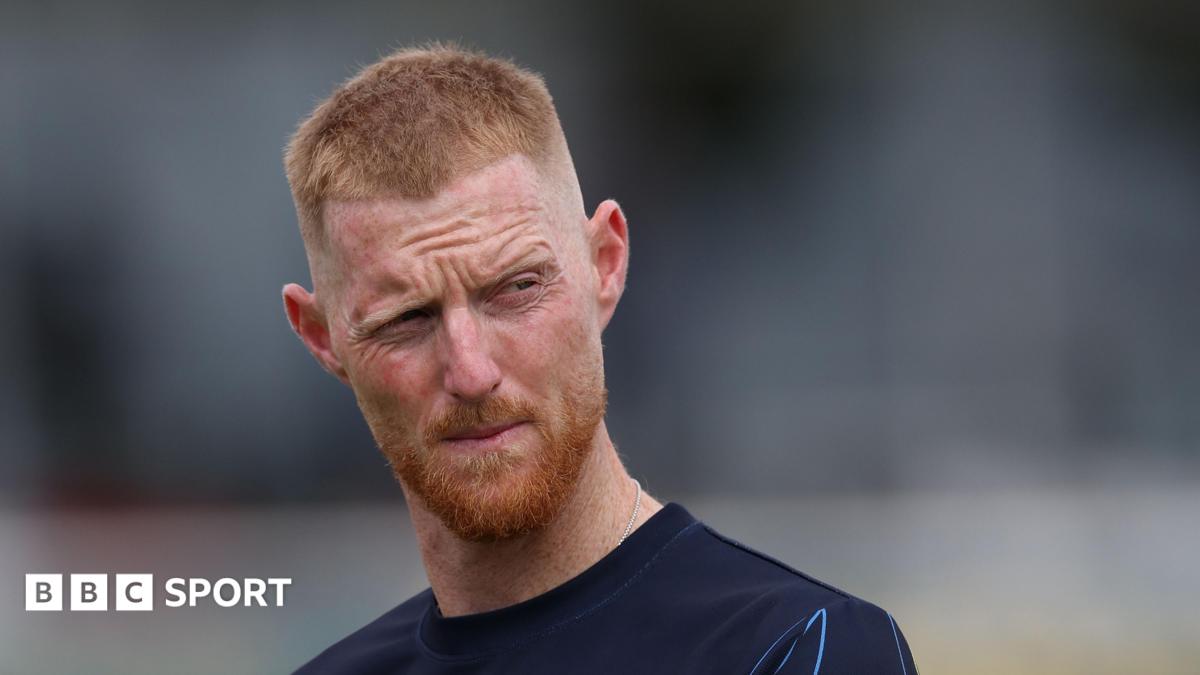
Ben Stokes is scheduled to make his first appearance since retiring from international cricket on Tuesday, representing Durham in their One-Day Cup fixture against Derbyshire.
The former England captain joins the opening round of the competition, marking a significant return to the domestic 50-over format. The timing of the match coincides with the launch of the latest edition of The Hundred, highlighting a divergence in Stokes’ career path as he shifts away from the franchise-led commercial peak of the sport and back towards the traditional county system that underpins England’s talent pipeline.
Transition from International Duty
Stokes announced an abrupt retirement from international cricket during England’s third Test against New Zealand last month, drawing a line under a decorated career that included World Cup and Ashes heroics. His final period with the national side was marked by instability; the 35-year-old missed the second Test of that series while under investigation regarding an incident at a London nightclub.
During his absence from the England squad, Stokes returned to the County Championship to play for Durham against Northamptonshire. He has since described this period as a turning point in his relationship with the sport, shifting his focus from the relentless demands of the international schedule to the more grounded rhythms of county cricket.
Stokes admitted to developing “negative feelings” toward playing for England, stating that returning to his boyhood club provided a “new lease of life for the game.” While he noted that the transition has included “really tough” moments, he maintained that his decision to step away from the international stage was correct and framed it as a move to protect both his long-term health and love for cricket.
A Decade-Long Gap in Domestic One-Day Cricket
The fixture at Derby represents a rare return to the 50-over format for Stokes. He has not competed in a 50-over match since the 2023 World Cup, which served as his final limited-overs appearance for England and underscored his status as one of the defining all-rounders of his generation.
More strikingly, this match will be Stokes’ first domestic one-day appearance for Durham in 12 years. His previous involvement in the competition dates back to the 2014 One-Day Cup, where he helped Durham secure victory over Warwickshire in the final. During that 2014 campaign, a 23-year-old Stokes recorded a notable 164 in the semi-final against Nottinghamshire, a performance that accelerated his rise into England’s core white-ball plans.
His only other domestic 50-over experience since then occurred in 2017 with Canterbury in New Zealand, a stint that took place while he missed England’s Ashes tour of Australia following an incident outside a Bristol nightclub. Since then, his limited-overs cricket has been almost exclusively at international and top-tier franchise level, making this return to county one-day cricket a rarity for both player and competition.
Commercial Landscape and Scheduling
Stokes’ return to the England and Wales Cricket Board sanctioned One-Day Cup occurs as the revamped version of The Hundred begins. The Hundred has recently undergone a significant commercial shift, with stakes in its eight franchises sold to investors for approximately £520m, leading to updated branding, new team names, and increased player remuneration.
That investment sits within the ECB’s broader duties as the national governing body for cricket in England and Wales, which is recognised under the UK’s elite sport and governance framework set out by bodies such as Sport England. The move underscores how public-interest and governance considerations increasingly intersect with private capital in shaping the domestic cricket calendar.
Despite the financial allure of the franchise model, Stokes did not enter the auction for The Hundred. His commitment to Durham was established prior to his international retirement and effectively positions him outside the domestic short-form showpiece at a time when many leading players are prioritising franchise deals ahead of county fixtures.
The return of one of the world’s most high-profile cricketers to the county circuit is expected to bring significant attention to smaller, traditional venues. Durham’s upcoming schedule includes matches at several intimate grounds, offering supporters rare close-up access to a star usually seen in packed international arenas:
- Home: South Northumberland Cricket Club (Gosforth)
- Home: Darlington CC
- Away: York CC (Yorkshire trip)
For county administrators, Stokes’ presence is likely to provide a short-term commercial boost in ticket sales and local sponsorship, but it also reinforces the One-Day Cup’s contested role in an increasingly congested and commercially driven schedule.
England Coaching Shifts
The landscape of the England national team has continued to change since Stokes’ departure. Brendon McCullum has been sacked as the England Test coach, ending a tenure that had been closely associated with Stokes’ leadership style. Following the announcement of his dismissal, McCullum confirmed that he had received “nice messages” from Stokes, signalling that the relationship between captain and coach remains cordial despite the upheaval.
For the ECB, McCullum’s dismissal adds another layer of strategic decision-making at a moment when the balance between red-ball, 50-over and short-format priorities is under intense scrutiny. For Stokes, it removes a key ally from the international set-up just as he doubles down on his county commitments.
Following the One-Day Cup, Stokes may also feature in the County Championship before the current season concludes, further embedding himself in Durham’s campaign and, in the process, testing whether a star of his stature can sustainably prioritise the domestic game over the franchise circuit that now dominates cricket’s global economy.
Beyond the Pitch: Argentina and England Set for Semi-Final Clash Steeped in History
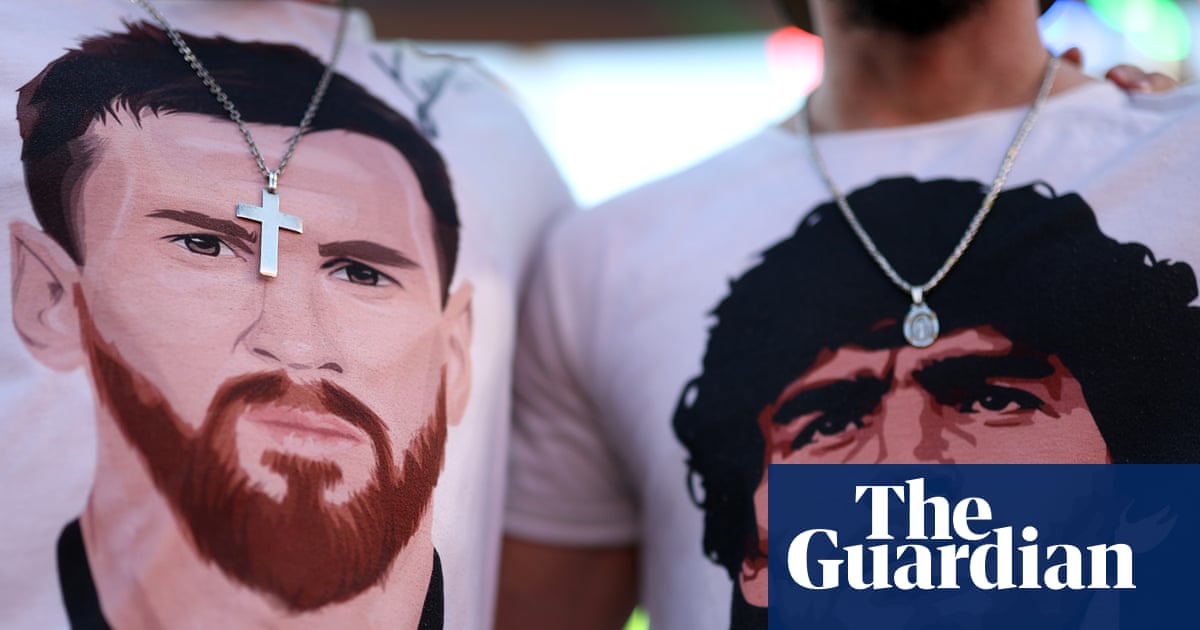
When the Argentina national team entered the dressing room following their 3-1 victory over Switzerland, the celebration was defined by more than just a trip to the semi-finals. The squad, led by Lionel Messi, chanted “The Fourth Star,” the country’s unofficial World Cup anthem, specifically invoking the phrase, “For Malvinas, for Diego.”
The lyrics, which have permeated the tournament in Argentina, have acquired a heightened significance now that the FIFA World Cup semi-final has confirmed a repeat matchup between Argentina and England on Wednesday.
For the Argentine side, the fixture is an encounter with ghosts. Nearly four decades have passed since Diego Maradona’s “Hand of God” goal and his subsequent solo effort secured a victory over England in 1986-a match played in the shadow of the 1982 Falklands War. The islands, known in Argentina as the Malvinas, remain the subject of a sovereignty dispute between Buenos Aires and London under the framework of the United Nations Charter and decolonisation resolutions, and that unresolved argument continues to echo into the stadiums of 2026.
The Intersection of Sport and National Memory
The emotional weight of the fixture is rooted in a desire for historical vindication as much as sporting success. Pablo “Palmito” Quintana, the musician who authored “The Fourth Star,” notes that the song reflects a population that carries lingering pain and a refusal to forget its history, particularly the losses of conscripts and sailors in 1982.
Aldo Leiva, a veteran of the Falklands/Malvinas war and Peronist congressman, describes the 1986 victory as a “balm” for those who lived through the conflict. Leiva argues that while war lacks the structure of rules and referees, football provides a venue where Argentines felt they could find a form of symbolic justice, particularly regarding the sinking of the cruiser General Belgrano, which resulted in 323 deaths and remains contested in Argentine political discourse.
Journalist Víctor Hugo Morales, who provided the iconic commentary for the 1986 match, suggests that while players often insist these are “just matches,” the memory of the war remains central to the Argentine psyche. He notes that since 1986, the rivalry has carried a political and emotional weight that differentiates it from almost any other international fixture, binding together questions of territory, dignity and recognition.
Symbolism, Media Narratives and the Global Stage
The lead-up to Wednesday’s semi-final has seen Argentine media lean heavily into nationalist symbolism and historical reference. The television channel Crónica has utilized provocative framing for the match, including:
- “Argentina vs. the English ‘pirates’”
- “Messi, with an M for Malvinas”
- “Diego, give us a hand”
The sports daily Olé has highlighted a perceived “good omen,” noting that Argentina will compete in blue kits, mirroring the colours worn during the 1986 triumph in Mexico City. Tensions have further escalated on the ground; reports indicate that the club Godoy Cruz displayed banners stolen from English fans during the 2014 World Cup as a deliberate provocation, underscoring how fan culture can test the limits of FIFA’s disciplinary rules on political and inflammatory messaging inside stadiums.
For tournament organisers and national associations, such symbolism is not merely atmospheric. It shapes how security services plan for potential flashpoints between supporters, how broadcasters calibrate language for a global audience, and how both governments anticipate the diplomatic aftershocks of incidents that begin in the stands but quickly spill into official statements and parliamentary debate.
Political Stakes and International Reaction
The match arrives during a period of political friction. Argentina’s President Javier Milei has frequently praised Margaret Thatcher, the British prime minister during the 1982 war, putting him at odds with long-standing strands of Argentine political memory. According to Morales, an Argentine victory could be interpreted by some as a popular rebuke of Milei’s administration, even if the government itself insists on keeping football and foreign policy formally separate.
In the UK, the fixture has brought the Falklands conflict back into the headlines. The Daily Telegraph has highlighted comments from Argentine Foreign Minister Pablo Quirno, who described Falkland Islanders as an “artificially implanted” population, language that cuts directly against the principle of self-determination that London invokes in its formal position on the islands. Additionally, former England striker Gary Lineker faced criticism from media personality Mark Dolan after mentioning the name “Malvinas” on his podcast, a reminder that vocabulary alone can signal alignment with one or another side of a sovereignty claim.
Diplomats on both sides, already engaged in cautious exchanges over the South Atlantic, are watching closely. Any gesture on the pitch-a flag in the crowd, a slogan on a banner, a charged post-match comment-has the potential to trigger formal complaints or carefully worded communiqués, even as both foreign ministries insist the dispute should remain within established channels such as the UN Special Committee on Decolonization and bilateral talks.
Despite the surrounding noise, the Argentine players have attempted to maintain professional focus. Midfielder Leandro Paredes stated that while the players understand the national significance of the game, their primary objective remains the football, echoing the tournament’s official commitment to keeping political disputes outside the 90 minutes.
Semi-Final Match Fact Sheet
- Matchup: Argentina vs. England
- Stage: World Cup Semi-Final
- Date: Wednesday
- Venue Context: Played under the jurisdiction of FIFA’s Articles on political neutrality and anti-discrimination, with both associations subject to potential sanctions for supporter behaviour or on-field messaging.
- Historical Context: 1982 Falklands/Malvinas War; 1986 World Cup quarter-final in Mexico, featuring Maradona’s “Hand of God” and “Goal of the Century”.
- Argentina’s Path: Recent 3-1 victory over Switzerland; 3-2 victory over Egypt.