
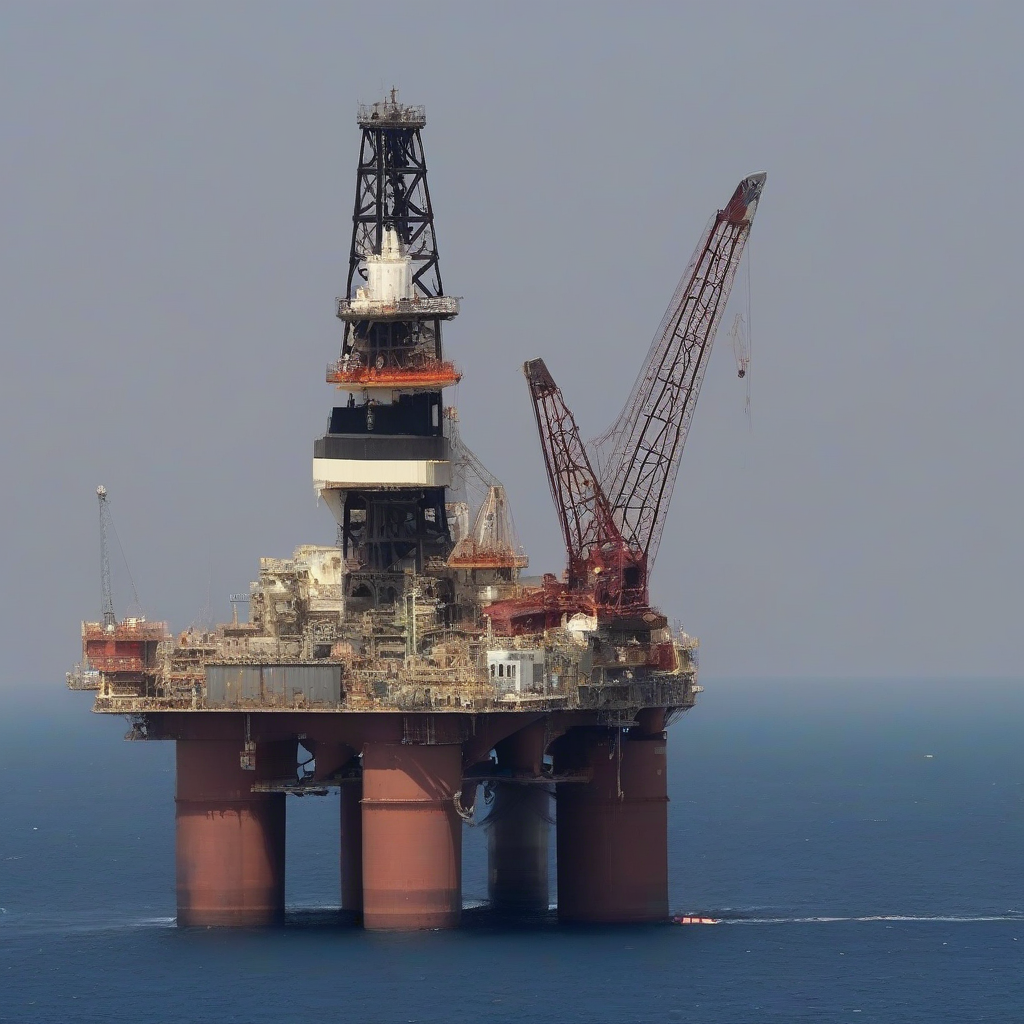
DUBAI – Brent crude oil prices surged on June 26, 2026, after a cargo vessel was struck by a projectile in the Strait of Hormuz, prompting the International Maritime Organization (IMO) to suspend an evacuation plan for ships stranded in the region.
The incident has disrupted a fragile ceasefire between the United States and Iran and threatened the stability of a waterway through which approximately one-fifth of global oil and liquefied natural gas (LNG) supplies transit during peacetime.
Brent crude, the international benchmark, rose as much as 4 percent on June 25, 2026, following the IMO’s decision to pause its evacuation operations amid the renewed violence.
Market Volatility and Energy Prices
The attack triggered immediate fluctuations in energy futures and a sharp downturn in Asian equities on June 26, 2026, as traders reassessed geopolitical risk premia and the prospect of renewed supply disruptions.
- Brent Futures: August delivery stood at $74.89 per barrel as of 02:00 GMT on June 26.
- Price Floor: Prices had previously dropped below $72.48, the closing price recorded before the United States and Israel initiated military action against Iran.
- Overall Trend: Following a memorandum of understanding signed between the US and Iran to end the war in mid-June 2026, prices had dropped sharply, but currently remain approximately 3 percent above pre-war levels, reflecting persistent concern over transit security.
Asian markets responded to the escalation with steep losses during morning trading on June 26, 2026, as energy-importing economies priced in higher input costs and the risk of further shipping delays:
| Index | Loss |
|---|---|
| Nikkei 225 (Japan) | More than 3% |
| Kospi (South Korea) | More than 3% |
| Hang Seng (Hong Kong) | Approximately 1% |
| Taiex (Taiwan) | Approximately 1% |
Analysts said the sell-off underlined how quickly regional growth and inflation forecasts can shift when a chokepoint that underpins global energy trade becomes contested.
Security Incident and Attribution
The United Kingdom Maritime Trade Operations (UKMTO) reported on June 25, 2026, that a cargo vessel was hit by an “unknown projectile” on its starboard side. The vessel was attempting to cross the strait near the coast of Oman at the time of the strike and was later reported to have suffered damage but remained afloat.
While the projectile remains officially “unknown,” officials from the United States, cited by Reuters, CBS News, and The New York Times, stated that the attack was carried out by Iran, in what they described as a deliberate strike on commercial shipping.
In response, Iran’s Persian Gulf Strait Authority, which asserts the right to regulate all shipping within the strait, issued a warning via X regarding the use of designated shipping lanes and reiterated that foreign vessels must comply with its routing instructions.
“The consequences arising from passage through unauthorized routes shall be the responsibility of the owner, operator, and vessel commander,” the authority stated.
The authority further noted that any vessel operating outside its designated “framework” would not be guaranteed safe passage, language that shipping executives and diplomats interpreted as a signal that escorts and insurance cover could be harder to secure for ships deviating from Iran’s preferred lanes.
The IMO, a United Nations specialized agency that sets binding global standards for maritime safety and security under instruments such as the International Convention for the Safety of Life at Sea, has been coordinating an emergency evacuation corridor through the Strait of Hormuz together with flag states, coastal states and naval forces.
Maritime Traffic, Governance and Logistical Constraints
The attack occurred during a period of increasing maritime activity. On June 24, 2026, ship tracking data from Kpler and MarineTraffic showed 70 vessels transiting the waterway, the highest daily volume recorded since March 1, 2026, and a more than twofold increase from the previous day, as shipowners rushed to clear a backlog built up during earlier hostilities.
June Goh, a senior oil market analyst at Sparta in Singapore, described the attack as a reminder of the fragility of the current US-Iran ceasefire and of the limits of ad hoc evacuation arrangements absent a more durable security framework.
Goh told Al Jazeera: “There is a pressing need for tankers to enter and offload the high crude stocks from onshore tanks in order for normal production to resume again.”
She added, “Thus, security of the passageway is paramount to recover the lost supply.”
The International Maritime Organization’s pause of its evacuation plan leaves several vessels stranded in the vicinity of the strait as the security situation remains unstable. Maritime lawyers say prolonged delays could trigger force majeure claims in long-term supply contracts and complicate compliance with sanctions, export controls and safety obligations.
Iran’s Persian Gulf Strait Authority continues to monitor vessel movements through its designated framework, while regional navies and insurance underwriters are reassessing guidance to shipowners in coordination with the IMO and national maritime regulators. For import-dependent governments from Asia to Europe, the latest disruption is likely to feed directly into energy security planning and strategic stockpile decisions, even if the physical loss of supply remains limited for now.
Worth a look
- Urban Infrastructure Resilience: How European and Asian Megacities Are Adapting to Extreme Climate Oscillations in 2026
- UN General Assembly 2026 Framework on Autonomous Systems: International Diplomacy Faces Algorithmic Governance
- Flydubai co-pilot attacked pilot with axe in attempted 'terrorist attack', UAE says (globallypulse.com)
