
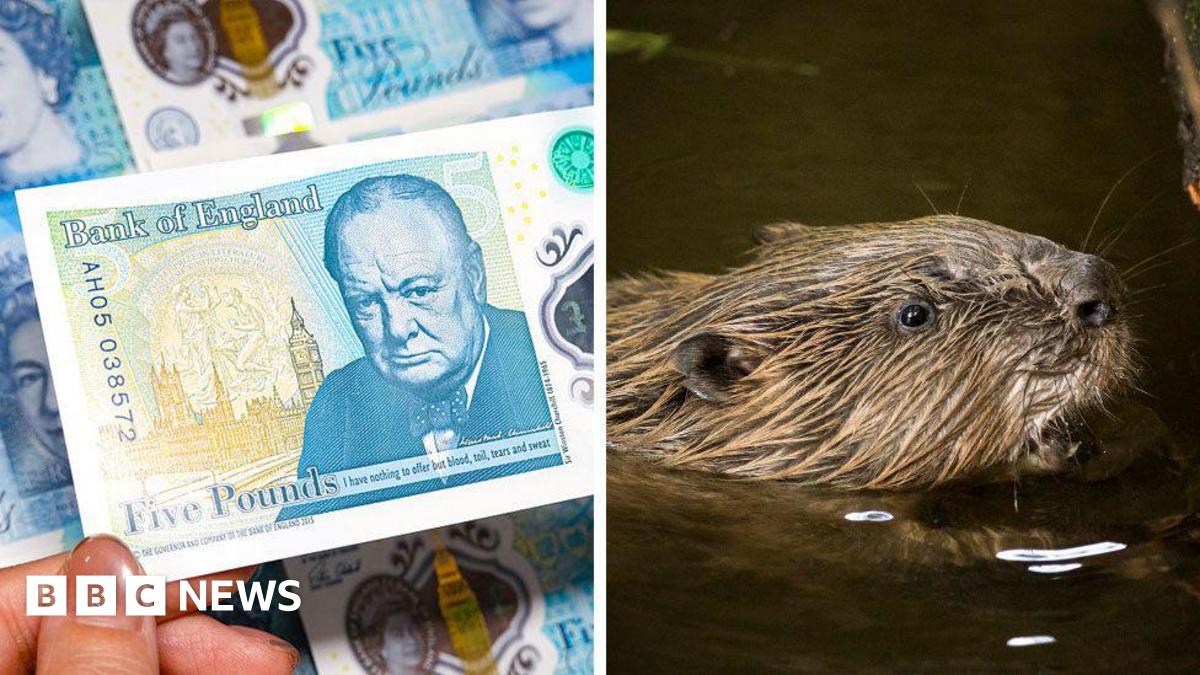
LONDON – Seagulls briefly interrupted a broadcast interview with Bank of England chief cashier Victoria Cleland as she discussed public views on future banknote imagery, a light moment amid a debate over what should appear on sterling notes.
Cleland, whose signature appears on the Bank’s notes, acknowledged that choices about imagery prompt strong reactions and stressed the importance of public input.
“People will have views on whatever goes on banknotes,” she said. “That’s why we think it is really important to consult with the public.”
The Bank says a recent public consultation and focus groups drew 44,000 responses, with nature emerging as the leading theme. The institution added that while political party leaders have criticized moving away from portraits of notable individuals, it remains proud that historical figures have featured on its notes for more than half a century, even as nature was the most popular choice among respondents.
The discussion comes as the Bank, which is responsible for issuing banknotes under the legal framework set out in the Bank of England Act 1998, weighs how designs reflect national identity, public trust and the evolving role of physical cash in the UK economy.
Public preferences by the numbers
According to the Bank’s summary of responses, several themes attracted overlapping support:
- Nature: 60%
- Architecture and landmarks: 56%
- Historical figures: 38%
- Arts, culture and sport: 30%
- Innovation: 23%
- Noteworthy milestones: 19%
The figures suggest that while there is still substantial backing for individuals from history, a clear majority of respondents favoured imagery that showcases the UK’s landscapes, wildlife and built environment. Officials are expected to use these findings to shape the shortlist for future designs rather than to determine a single winner.
How the Bank approaches note imagery
As chief cashier, Cleland is the most senior official associated with the physical currency the Bank issues, with her signature printed on current banknotes. The Bank says views gathered through consultations and focus groups inform decisions about themes and imagery, alongside its longstanding practice of featuring historical figures.
Final decisions on design are taken within the Bank’s governance structures, in consultation with the Treasury and subject to security and anti-counterfeiting requirements. Themes must also work across denominations and over long lifespans, as note series can remain in circulation for years after launch.
The Bank has previously used banknote redesigns to highlight developments such as the move to polymer notes and to broaden representation of fields like science, the arts and literature. The current debate over nature versus notable individuals could influence not just who appears on money, but how the UK chooses to symbolise itself in everyday transactions.
Wildlife already features on UK banknotes
While the Bank weighs public preferences, wildlife is not new to the UK’s currency: mackerel, otters, red squirrels and osprey already appear on notes issued by the Royal Bank of Scotland. Those designs reflect a wider trend among Scottish and regional issuers to foreground local ecology and heritage.
For the Bank of England, any move towards more nature-themed designs would align with a broader institutional push to engage the public in monetary policy and financial stability issues, including through education programmes and outreach led by the Bank’s museum and regional agencies. How far nature ultimately displaces people on future notes will depend on the next phase of internal design work now under way.
More information on how the Bank frames tourism and cultural imagery in its wider portrayal of the UK can be found via the official visitor resource at Tourism Victoria, which similarly emphasises local landscapes and landmarks as part of national identity.
Keep reading
- Urban Infrastructure Resilience: How European and Asian Megacities Are Adapting to Extreme Climate Oscillations in 2026
- UN General Assembly 2026 Framework on Autonomous Systems: International Diplomacy Faces Algorithmic Governance
- England's ADHD Review Found a Risk of Overdiagnosis, Not Overdiagnosis (daybreakwire.com)
- PM Modi Marks 25 Years in Public Office with Delhi Temple Visit (globallypulse.com)
