
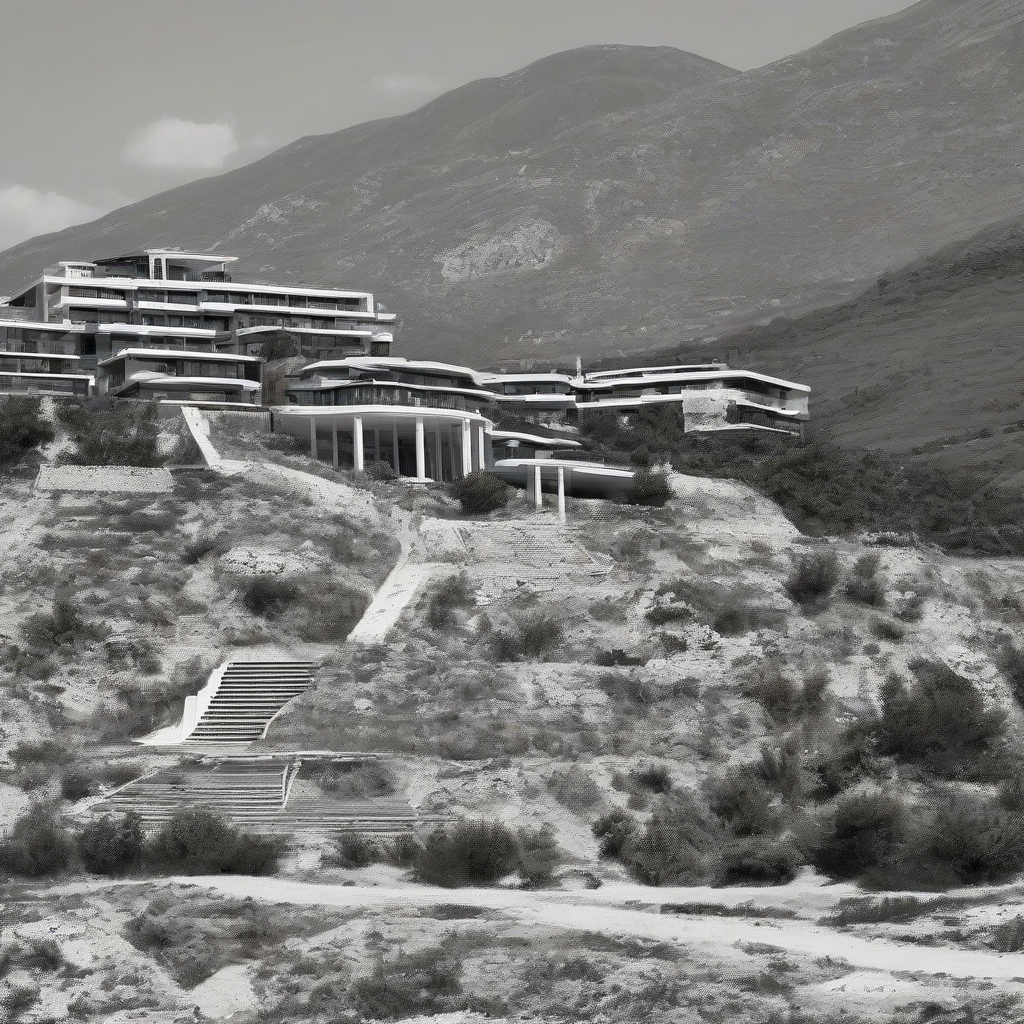
TIRANA – European Parliament members have cautioned Albania that its bid for European Union membership is in jeopardy due to the government’s insistence on proceeding with a €1.4bn (£1.2bn) luxury resort project backed by Jared Kushner, son-in-law of Donald Trump.
The warning comes as a diplomatic flashpoint between Tirana and Brussels, with MEPs suggesting the government is “playing with fire” by prioritizing high-end real estate development over the environmental and legal benchmarks required for EU accession.
The project has sparked a wave of unprecedented civil unrest known as the “flamingo revolution,” characterized by daily protests in the capital and mounting demands for the resignation of Prime Minister Edi Rama.
The Kushner Development and Environmental Impact
The proposed venture involves the creation of a mega-resort on Sazan, the only island in Albania, alongside extensive construction on the opposite Zvërnec peninsula. Kushner – a real estate investor and former senior adviser in the Trump White House[2] – has described the development as a destination he would “happily enjoy with family and friends.”
However, the sites were previously designated as environmentally protected areas under Albanian law and mapped into the broader network of habitats the country has pledged to safeguard as it aligns with EU standards. Tineke Strik, the Dutch MEP leading a European Parliament fact-finding mission to the region, reports that significant damage has already occurred on the Zvërnec peninsula.
Verified damages cited by the mission include:
- The destruction of indigenous forests and ancient dunes.
- The construction of a 7km-long gravel-topped road.
- Potential violations of existing EU environmental directives that Albania is expected to transpose as part of the EU acquis on environment and climate (Chapter 27).
Protesters gather at Skanderbeg Square in Tirana on Tuesday, the 31st day of protests over the planned tourism project, with calls for the resignation of the Albanian prime minister, Edi Rama. Photograph: Olsi Shehu/Anadolu/Getty Images
The “Flamingo Revolution” and Public Sentiment
The protests have evolved from an environmental movement into a broader demand for the rule of law, judicial independence and democratic accountability. Demonstrators accuse the government of using “strategic investment” labels to fast‑track developments in sensitive areas, bypassing meaningful consultation and environmental review.
The scale of the unrest is significant, occurring in a nation where EU membership is the most widely supported policy since the collapse of communism over 30 years ago. For many Albanians, accession is seen as a guarantee of higher governance standards, curbs on corruption and more predictable economic opportunities.
According to available data, an estimated 92% of Albanian citizens back the goal of joining the bloc.
Strik noted that the daily demonstrations reflect a desire for “a proper democracy,” stating that the Albanian people “already feel they belong” in the EU, and arguing that the government’s handling of the Kushner project risks eroding that trust.
EU Accession and Chapter 27 Risks
Prime Minister Edi Rama, who won a fourth term last year, has set an ambitious timeline to wrap up the accession process by December 2027, with the goal of full membership by 2030.
EU officials previously described this deadline as ambitious, but the Kushner project now threatens the technical requirements of the process – specifically the environment and climate chapter, known as Chapter 27, which covers issues ranging from protected areas and biodiversity to waste, water and environmental impact assessments.
Chapter 27 of the EU accession process requires candidate countries to meet strict benchmarks regarding environmental policies, including the protection of biodiversity and fragile ecosystems in coastal and marine zones. Strik warned that the scale of the real estate project in such a fragile area represents “an immense threat” to meeting these requirements and could slow or even freeze parts of the negotiating process if concerns are not addressed.
“If Rama is really serious about his EU ambitions, he should step back from this trajectory and say to the Trump clan: ‘Sorry, the EU is my first priority.’ Right now, they’re endangering a process that is so dear to them … they’re playing with fire.”
Government Response and Allegations of Corruption
The European Parliament expressed its opposition in a resolution last month, calling for an immediate halt to construction in protected zones. The resolution also demanded the withdrawal of legislation that permitted “predatory capitalists” to obtain strategic investor permits in wildlife safe zones, warning that such carve-outs risk undercutting the very reforms Brussels is asking Albania to deliver.
During the fact-finding mission, MEPs met with Environment Minister Sofjan Jaupaj. Strik reported that Jaupaj implied construction works would continue until the government was formally obliged to comply with EU standards, signalling a readiness to push ahead until Brussels triggers tougher enforcement tools.
Strik further raised concerns regarding:
- Lack of transparency and public debate surrounding the project, including limited access to contracts and feasibility studies.
- Allegations of corruption regarding the sale of land plots in Zvërnec to politically connected interests.
- The issuance of construction permits in ecologically unique regions that had previously been safeguarded on paper as protected landscapes.
The Zvërnec peninsula has already been damaged, said Tineke Strik, the Dutch MEP heading a European Parliament fact-finding mission on the issue. Photograph: Adnan Beci/AFP/Getty Images
“I left today’s meeting with the impression that they intend to continue with this project before they have to be aligned with EU law and this, of course, is not a way of loyal cooperation,” Strik said.
The European Parliament mission has formally called upon the European Commission to follow up strongly with the Albanian government, warning that failure to address the Kushner resort could become a test case for how seriously Tirana treats the environmental and rule‑of‑law conditions at the heart of its EU bid.
Keep reading
- Urban Infrastructure Resilience: How European and Asian Megacities Are Adapting to Extreme Climate Oscillations in 2026
- UN General Assembly 2026 Framework on Autonomous Systems: International Diplomacy Faces Algorithmic Governance
- OpenAI rules out 2026 IPO to focus on safety concerns (globallypulse.com)
