
GENEVA —
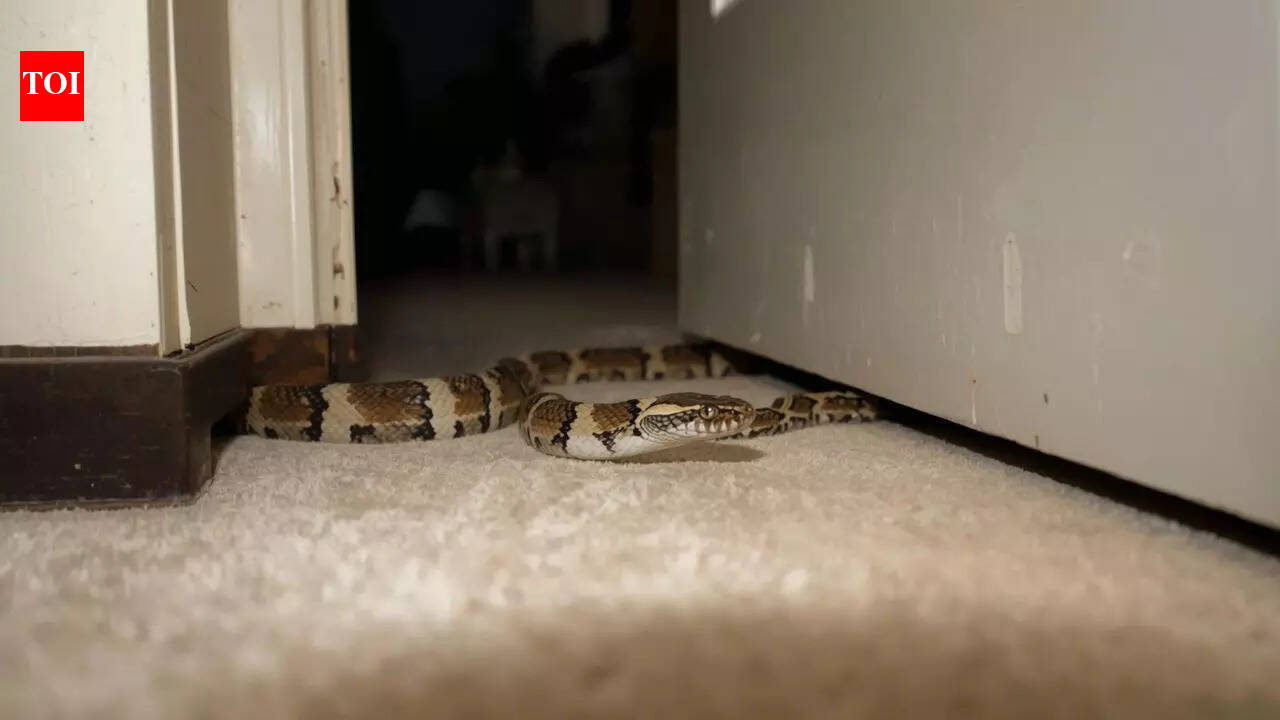
Snakes are appearing more frequently in homes, gardens and construction sites across cities and countryside alike—not because they seek out people, but because human spaces increasingly provide the same things snakes need to survive: cover, stable temperatures, water and prey. Understanding where snakes hide and why they move through built environments is proving essential to reduce surprise encounters without harming an animal that plays a crucial role in controlling rodents and other pests. (edis.ifas.ufl.edu)
The trend has public‑health relevance beyond nuisance or fear. Globally, venomous snakebites envenom 1.8–2.7 million people and kill an estimated 81,000–138,000 each year, a burden the World Health Organization classifies as a neglected tropical disease. In 2019 WHO launched a plan to halve deaths and disabilities from snakebite by 2030—an objective that hinges on prevention, rapid treatment and community awareness within national health systems. In wealthier countries most bites are survivable; in the United States, for example, roughly 7,000–8,000 venomous bites occur annually and about five are fatal. (who.int)
Where snakes most often hide around homes
Snakes avoid open ground and favor tight, layered spaces where temperatures are moderated and predators cannot see them. Around homes and gardens, the following features create ideal cover and hunting sites:
- Piled materials: stacked firewood, lumber, bricks, sheet metal and debris piles trap shade and warmth and also attract rodents—making them dual magnets for snakes. Store wood neatly on racks, off the ground and away from buildings. (edis.ifas.ufl.edu)
- Compost and leaf litter: decomposition creates warm, moist interiors that harbor insects and small vertebrates. Enclose or relocate compost away from structures. (ask.ifas.ufl.edu)
- Tall grass and dense shrubs: continuous groundcover conceals snakes and their prey; short, open margins near the house lower encounter risk. (dnr.state.mn.us)
- Under stones, pavers and garden pots: cool air gaps beneath heavy objects remain attractive refuges during heat. (ipm.ucanr.edu)
- Hollow walls, foundations and steps: gaps and cracks offer nocturnal passage and daytime shelter; sealing openings larger than 6 mm (about 1/4 inch) blocks entry. (wdfw.wa.gov)
- Drains, vents and open pipes: ground‑level openings can admit small snakes following moisture or prey; cover with fine mesh or grilles. (edis.ifas.ufl.edu)
- Water features and irrigation: ponds, birdbaths, leaky spigots and overwatered beds draw frogs, insects and rodents—prey that snakes follow. Adjust watering and fix leaks. (dnr.state.mn.us)
Seasonal and weather drivers of snake movement
Snakes are ectotherms. In hot weather—when overheating is an immediate threat—they retreat into shaded, moist, or underground spaces; during cold periods, many species enter brumation, a reptile form of dormancy, in deep crevices, burrows or foundations until temperatures climb. These patterns explain why basements and crawlspaces can host snakes during summer heat, while insulated voids and underground refuges draw them as temperatures fall. (britannica.com)
Extreme weather can also displace snakes into buildings. After floods or cyclones, snakes seeking high, dry ground may shelter inside homes, sheds and debris fields—prompting health agencies to warn returning residents to wear boots and gloves, move cautiously and call trained handlers for removal. (betterhealth.vic.gov.au)
Daily timing matters. Activity peaks at dawn and dusk in warm conditions, and is concentrated around prey hotspots (rodent runs, bird‑feeder spill zones, compost and water edges). Avoiding tall grass, rock piles and wood stacks at these times lowers risk. (cdc.gov)
Why human spaces attract snakes
Where waste, feed or fallen seed draws rodents, lizards and frogs, snakes follow. Construction and land clearing remove natural cover, pushing snakes to substitute sheds, stacked materials and wall voids; consistently watered gardens supply moisture when surrounding areas are dry. In mixed rural‑urban edges, snakes commonly use old rodent burrows beneath hardscape or plantings to move unseen. (edis.ifas.ufl.edu)
Urban planners and local authorities increasingly treat these patterns as a predictable by‑product of land‑use decisions: housing expansion into former fields, hardscaped yards and poorly managed waste streams can all raise the likelihood of human–snake contact if not paired with basic habitat and building‑code safeguards.
How to make homes and gardens less attractive to snakes
Experts emphasize habitat modification and exclusion over chemicals or confrontation. Practical steps include:
- Trim and tidy: keep lawns mowed; lift shrub canopies at least 15 cm (6 in) above ground; relocate brush and log piles well away from the house; keep play areas open and visible. (dnr.state.mn.us)
- Store materials smartly: stack firewood on racks, off soil, and at a distance from buildings; avoid loose stone retaining walls near foundations or replace with solid blocks; use smaller, drier mulches. (edis.ifas.ufl.edu)
- Seal entries: caulk or screen gaps at ground level, including under doors; fit 1/4‑inch (6 mm) hardware cloth over vents and drains; repair warped siding and foundation cracks. Building‑code officials in many jurisdictions already recommend such measures as part of basic pest‑proofing standards. (wdfw.wa.gov)
- Manage water: fix leaks, break up standing water, and moderate irrigation schedules to reduce frog and insect concentrations. (dnr.state.mn.us)
- Control rodents: secure feed and waste; eliminate harborage; backfill and compact abandoned burrows after rodent control to remove ready‑made shelters. (ipm.ucanr.edu)
- Consider fencing where encounters are frequent: attach 60 cm (24 in) of 1/4‑inch hardware cloth or aluminum flashing to the base of perimeter fencing, burying 5–10 cm into soil; keep gates tightly fitted. (dnr.state.mn.us)
Chemical “shortcuts” remain unreliable and can be illegal or hazardous. State pesticide regulators, for example, warn homeowners not to scatter mothballs outdoors; using naphthalene products off‑label is unlawful and poses health risks without effectively repelling snakes. In the United States, such misuse can bring penalties under the federal framework that governs pesticide registration and labeling, the Federal Insecticide, Fungicide, and Rodenticide Act.
If you encounter a snake—or are bitten
Most bites occur when people attempt to catch, kill or otherwise handle snakes. Leave snakes undisturbed, keep pets and children at a distance, and contact local wildlife authorities or a licensed handler for removal. If bitten, seek emergency care immediately; do not apply tourniquets, cut the wound, use ice or attempt to suck out venom. In the United States, prompt hospital care—including antivenom when indicated—keeps fatalities rare. (ipm.ucanr.edu)
For health ministries and emergency‑care planners, these simple instructions are now a core part of community‑level risk communication: when residents know in advance how to react, they are more likely to present early to clinics that stock appropriate antivenom.
Ecology, co‑existence and policy
Snakes are integral to healthy ecosystems. By suppressing rodent populations, they help limit crop losses and disease vectors—benefits recognized by conservation and agricultural agencies alike. Making properties less inviting to both snakes and their prey reduces conflict without harming wildlife. (ipm.ucanr.edu)
Balancing safety and conservation is increasingly a policy question as well as a household one. Zoning rules, waste‑management contracts and public‑housing maintenance standards can either compound the risk of human–snake encounters or quietly reduce it through routine vegetation management, structural repairs and resident education. Ministries of health and environment are under pressure to align these levers with global targets on snakebite.
WHO’s global strategy aims “to reduce mortality and disability from snakebite envenoming by 50% before 2030.” (who.int)
As of February 14, 2026, WHO’s 2019 strategy to halve global snakebite deaths and disabilities by 2030 remains in effect, with ongoing technical updates calling for better data, wider access to quality antivenom and community‑level prevention. That roadmap has become a reference point for governments designing national snakebite plans, and for donors weighing investments in surveillance, training and cold‑chain logistics needed to get lifesaving vials to the rural clinics where most bites occur.
Related reading
