
Sony’s Strategic Timing for the June Showcase
PlayStation has scheduled its next State of Play for 3 June, positioning the event as a cornerstone of the broader Summer Game Fest season. This one-hour digital presentation is designed to maintain market momentum for the PlayStation 5 ecosystem, now deep into its lifecycle and under pressure from rival platforms, focusing on updates, announcements, and reveals from what Sony describes as ‘top studios’ globally.
The timing of this showcase is critical as Sony navigates a competitive hardware cycle where high-fidelity first-party exclusives remain the primary driver for console adoption. By centering the event around a dense hour of reveals, Sony aims to secure consumer mindshare before the peak summer retail window and ahead of key year-end reporting milestones that shareholders, competition regulators, and platform partners monitor closely.
High-Stakes Pipeline and First-Party Development
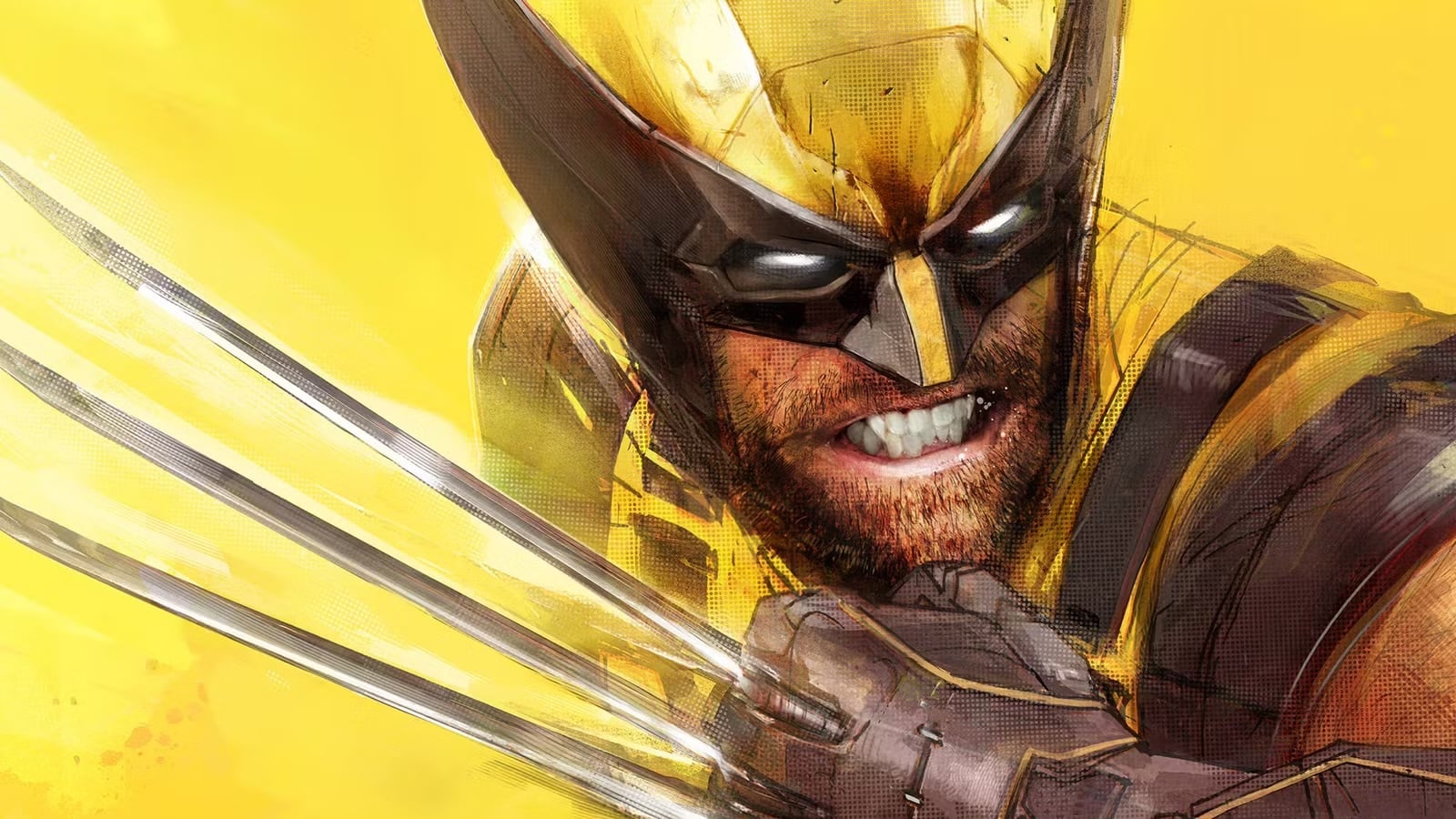
A primary focus of the June event will be Insomniac Games, which is set to showcase more of Marvel’s Wolverine. With a launch date confirmed for 15 September, the title represents a significant push into high-budget comic book adaptations that leverage the PS5’s high-speed SSD architecture to deliver seamless open-world exploration, reinforcing Sony’s strategy of tying marquee IP to its current-generation hardware.
Beyond the confirmed headliner, the event serves as a barometer for the current state of Sony’s internal studio pipeline. The industry is closely watching for signs of progress from several key developers who have been relatively quiet, at a time when layoffs, studio closures, and live-service pivots across the sector have heightened scrutiny of how large platform holders allocate capital:
- Naughty Dog: Anticipation is high for updates on Intergalactic: The Heretic Prophet, the studio’s first major project since the conclusion of the The Last of Us saga. Any new footage or detail will be read as a signal of where Sony intends to position story-driven single-player games within its broader portfolio.
- Guerrilla Games: Given the 2022 launch of Horizon Forbidden West, a reveal for a sequel would align with typical development cycles for large-scale, systemic open-world titles and would underscore Sony’s commitment to maintaining evergreen franchises on the PS5 even as it experiments with new IP.
- Team Asobi: Following the critical success of Astro Bot in 2024, there is significant market speculation regarding a sequel or an expansion of the IP to further showcase the DualSense haptic technology and justify continued investment in uniquely PlayStation-centric hardware features.
While Sucker Punch Productions and Santa Monica Studio have recently released or announced major titles-Ghost of Yōtei and the God of War Trilogy Remake respectively-their inclusion would signal an unusually aggressive release cadence for the current fiscal year. It would also raise fresh questions for competition authorities already examining the degree to which first-party exclusives and ecosystem lock-in shape market power across consoles, PCs, and emerging cloud platforms under frameworks such as the EU Digital Markets Act.
Global Broadcast Logistics
The State of Play will be streamed via a decentralized distribution model to ensure low-latency access across multiple continents. The event will be available on the official PlayStation YouTube and Twitch channels, reflecting how major platform holders now treat high-profile showcases as both marketing tentpoles and real-time investor sentiment events.
Due to the global nature of the audience, the broadcast window spans two calendar days depending on the region:
| Region | Date | Local Time |
|---|---|---|
| Australia (AEST) | 3 June | 7:00 AM |
| Australia (ACST) | 3 June | 6:30 AM |
| Australia (AWST) | 3 June | 5:00 AM |
| New Zealand (NZST) | 3 June | 9:00 AM |
| United States (PT) | 2 June | 2:00 PM |
| United States (ET) | 2 June | 5:00 PM |
| United Kingdom (BST) | 2 June | 10:00 PM |
This event is expected to blend first-party reveals with third-party partnerships, highlighting the Summer Game Fest ecosystem’s ability to aggregate massive viewership through synchronized digital events and to concentrate marketing power among a small number of dominant platforms. For policymakers and cultural agencies already debating how best to support local game production and safeguard media plurality, the way Sony curates and stages these global showcases is increasingly seen as a lever that can influence which studios-and which regions-secure visibility, funding, and long-term audiences.
Keep reading
