
Precision, protection and a 29‑minute gold rush: Inside the coaching engine driving Britain’s middle‑distance surge
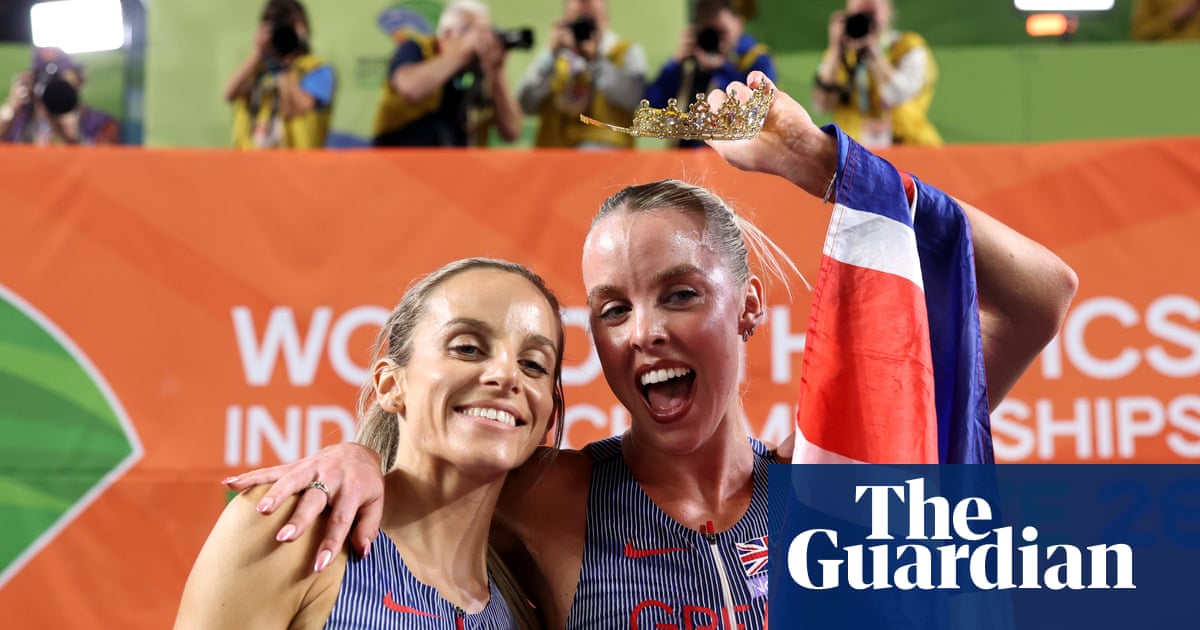
Three British gold medals inside 29 minutes at the world indoor championships reframed the women’s middle‑distance conversation and placed a coaching partnership in the spotlight. Keely Hodgkinson, Georgia Hunter Bell and pole vaulter Molly Caudery delivered a rapid sequence of titles that prompted World Athletics president Sebastian Coe to hail the moment’s significance for British sport and grassroots participation. The results also underlined how a detailed, athlete‑first programme is shaping the competitive ceiling for Hodgkinson and Hunter Bell as the outdoor season approaches within the rules and event structures set out in the World Athletics Competition and Technical Rules.
Key facts from the championships
- Britain captured three golds in 29 minutes through Keely Hodgkinson, Georgia Hunter Bell and Molly Caudery at the world indoor championships, consolidating the nation’s status in women’s middle‑distance and technical events.
- After winning the 800m, Hodgkinson returned roughly an hour later to run 50.10 seconds on the 4x400m relay; no specialist 400m runner in the field produced a faster split, underscoring her speed profile within global relay standards.
- Hodgkinson holds the world indoor 800m record and felt capable of improving it again in the final; her coach noted she finished the race without noticeable lactate symptoms, suggesting significant headroom at championship intensity.
- Her team believes she is trending towards even higher peaks, including a potential challenge to the outdoor 800m world record that has stood since 1983-one of the most scrutinised marks in track and field.
A training model built on precision and protection
The programme led by Trevor Painter and Jenny Meadows blends high‑speed work with carefully moderated aerobic loading, shaped by British Athletics’ wider performance‑health emphasis. Long, slow running is limited; the aerobic stimulus is instead delivered through lower‑impact cross‑training-bike sessions, pool work and cross‑trainers-so that track sessions stay fast and precise. The coaches describe a bespoke system in which multiple athletes can complete different, targeted workouts simultaneously, matching the stimulus to physiology and event profile rather than forcing uniform volume.
Hodgkinson’s winter illustrates the approach. Easy‑day endurance often moved to the bike, with one‑hour rides occasionally stretching to 90 minutes before the staff stepped in to cap volume. The rationale is straightforward: protect connective tissues from excessive impact while building the engine that sustains repeated high‑speed work. That balance is crucial for the 800m, where race success hinges on speed reserve and lactate tolerance as much as aerobic capacity, and where overuse injuries can derail carefully planned Olympic‑cycle campaigns.
Health, stability and a wider performance team
Pain‑free continuity has been the meaningful change. Painter says this is the first championship campaign since Budapest in 2023 that Hodgkinson has started fully healthy. Even around the Paris Olympic cycle she carried a minor issue and missed part of the winter, but this year’s training has run uninterrupted and the early‑season times resemble her typical summer marks, reducing the need for risk‑laden late‑season racing to chase standards.
The support structure has expanded too. Backing has allowed the group to work with physiotherapist Alison Rose, credited with keeping Hodgkinson’s hamstring problems under control, and physiologist Rachel McCormick, formerly of the Australian Institute of Sport. McCormick’s testing has highlighted how quickly Hodgkinson and Hunter Bell rebound between demanding sessions-faster than models built around 5k-marathon populations might predict-enabling the group to revisit heavy workloads again within two days when appropriate, while staying within medical and safeguarding protocols that now shape elite high‑performance environments.
Different athletes, shared trajectory
Training camps have included South Africa, where Hodgkinson and Hunter Bell ran and rode side by side at altitude. The coaches describe a complementary pairing: Hodgkinson brings more raw speed; Hunter Bell leans toward strength and speed endurance. They push each other without eroding cohesion, a dynamic the staff say elevates both athletes across the training week and provides insurance for British relay and championship team strategy.
The human element remains a conscious priority. Hodgkinson has leaned on small personal routines-Himalayan salt crystals to steady the mind-and is navigating off‑track milestones such as moving house. The staff aim to keep structures flexible for a free‑spirited athlete, contrasting with Hunter Bell’s more analytical temperament. The goal is consistent: keep the person content so the performer can thrive, a philosophy that aligns with UK Sport’s broader duty‑of‑care expectations for funded athletes.
What the 4×400 split signals for the 800m
That 50.10 relay leg, faster than any specialist quarter‑miler in the race, is a performance data point with direct 800m relevance. It indicates a deep speed reserve at a time when Hodgkinson’s endurance base has been reinforced through low‑impact volume. For selectors and planners, it also confirms her viability across relay squads without compromising her primary event.
Combined with an uninterrupted training block and improved soft‑tissue management, the profile aligns with her camp’s belief that the event’s longest‑standing barrier-the outdoor record from 1983-could come into view if health and execution hold. In an era of tighter anti‑doping rules and enhanced shoe‑technology oversight, any move towards that mark would carry outsized symbolic weight for the sport’s regulators as well as its fanbase.
Implications beyond one weekend
The medal burst matters for more than a single podium sweep. For British middle‑distance running, it validates a methodology that prioritises tailored stimuli, cross‑training and recovery literacy without sacrificing top‑end speed. For the athletes, it establishes form and confidence heading into the outdoor calendar, where scheduling choices will be made around recovery windows and race opportunities rather than volume accumulation, and where federation planners must balance Diamond League demands with national‑team obligations.
And for the wider sport, a compact run of titles by high‑profile women can translate into visibility and club interest, especially among younger athletes, if momentum is sustained through the year. With national governing bodies under pressure to demonstrate safe, sustainable pathways from school sport to elite squads, Painter and Meadows’ high‑performance lab offers a case study in how targeted science, stable coaching relationships and an athlete‑centred culture can coexist under modern regulatory scrutiny. The coaching team’s view is that the science input is only just beginning; if the current health and training stability persist, the performance ceiling-for individuals and for Britain’s middle‑distance system-has not yet been reached.
Keep reading
