
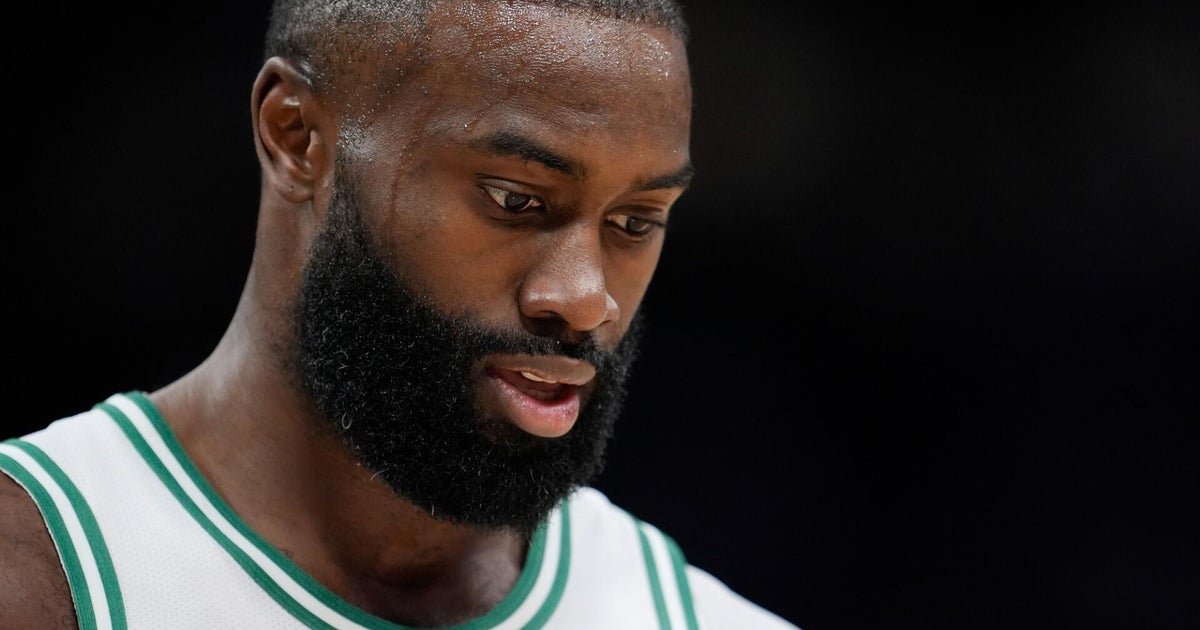
Jaylen Brown Traded to Philadelphia 76ers in Major Roster Shake-up
The Boston Celtics have traded Jaylen Brown to the Philadelphia 76ers, ending a decade-long tenure for the All-Star forward in New England. The move represents a significant shift in the Eastern Conference landscape, swapping one of the league’s most productive wings for a package of veteran talent and future assets.
The transaction brings Paul George to Boston, alongside a substantial haul of draft capital. This redistribution of talent alters the competitive dynamic for both franchises as they navigate the National Basketball Association’s collectively bargained salary-cap and trade rules under the 2023 NBA Collective Bargaining Agreement, reshaping both their immediate postseason ambitions and long-term roster construction strategies.
Trade details (league approval pending):
- Philadelphia 76ers receive: Jaylen Brown
- Boston Celtics receive:
- Paul George
- 2031 unprotected first-round pick
- 2028 first-round pick (convertible to a swap favorable to Boston)
- Conditional 2028 and 2030 second-round selections
The agreement was first reported by league insider Shams Charania and subsequently confirmed by multiple outlets, underscoring the magnitude of a deal that sends the 2024 Finals MVP to a historic conference rival.
A Decade of Production in Boston
Brown entered the league as the third overall pick in the 2016 NBA Draft and became a cornerstone of the Celtics’ post-Big Three rebuild. Over 10 seasons, he maintained an average of 20.0 points and 5.5 rebounds per game, earning five All-Star selections and two second-team All-NBA honors as Boston consistently occupied the top tier of the Eastern Conference.
His career peak coincided with the franchise’s 18th championship in 2024. During that title run, Brown averaged 20.8 points, 5.4 rebounds, and 5 assists per game, earning the Bill Russell NBA Finals MVP trophy after Boston defeated the Dallas Mavericks in five games. The performance solidified his status as one of the league’s premier two-way wings and appeared, at the time, to cement a long-term partnership with co-star Jayson Tatum.
The 2025-26 campaign saw Brown take on a primary scoring role while Tatum spent nearly the entire season recovering from a torn Achilles. Functioning as Boston’s clear offensive focal point, Brown responded with the most productive season of his career, averaging 28.7 points per game and finishing sixth in the MVP voting. His expanded usage, however, also tightened the Celtics’ cap flexibility and sharpened internal questions about how to build a sustainable contender around two max-level wings in an increasingly punitive tax environment.
Internal Tension and Strategic Shifts
Despite the individual success, the season ended abruptly when Boston surrendered a 3-1 series lead to the 76ers in the first round of the playoffs. The exit was marked by friction, as Brown publicly criticized Joel Embiid for his flopping during the series. The trade now places the two former adversaries as teammates in Philadelphia, testing both the locker room’s chemistry and the 76ers’ ability to integrate another high-usage scorer alongside Embiid and Tyrese Maxey.
The move follows a period of instability regarding Brown’s future in Boston. The Celtics had previously attempted to trade Brown and draft picks to the Milwaukee Bucks for Giannis Antetokounmpo, though that deal did not materialize and Antetokounmpo was eventually traded to the Miami Heat. The failed pursuit highlighted Boston’s willingness to explore transformational moves even after a championship, a posture that ultimately culminated in sending Brown to a direct rival.
Public comments from Brown also created a rift with segments of the Celtics fanbase. On his Twitch stream, Brown described the 2025-26 season as his “favorite year,” arguing that the team exceeded expectations despite Tatum’s injury and the early playoff exit. He later added a message to his critics, stating, “To all the people that’s doubted me, that want me to do this, or want me, you’re turning me into a monster.” Those remarks, while embraced by some as competitive fire, were interpreted by others as a sign that player and franchise were increasingly on different timelines and priorities.
This departure contradicts previous public assurances from Celtics president of basketball operations Brad Stevens, who had stated after the first round of the most recent draft that Brown remained a big part of the team. Stevens had previously remarked, “I don’t want to predict the future. I look at it as this is our team.” The decision to move Brown for George and draft capital reflects a broader institutional calculation: balancing loyalty to a homegrown star with the organizational imperative to refresh an expensive roster, maintain future draft control, and stay compliant with the NBA’s tighter team-building rules under the current CBA while continuing to contend in a rapidly shifting Eastern Conference.
