
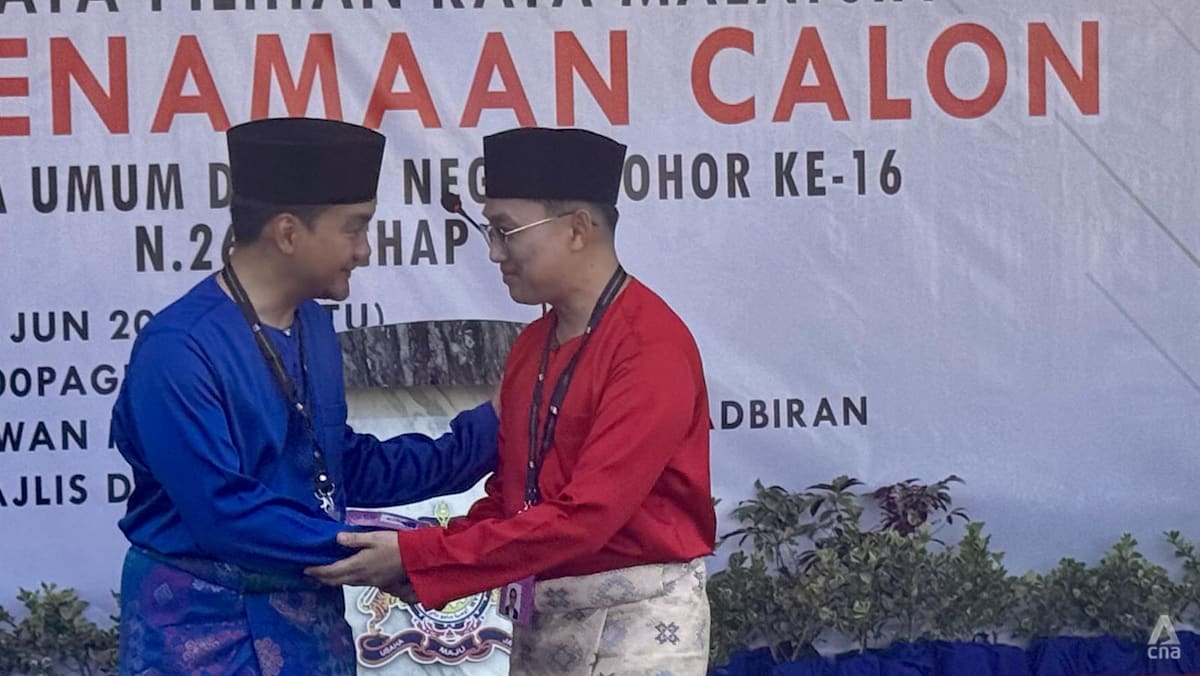
JOHOR BAHRU – Pakatan Harapan (PH) has unveiled a candidate slate for the Johor state polls characterized by a significant shift toward younger, first-time politicians, particularly within the Democratic Action Party (DAP).
The strategy replaces several veteran figures with newcomers in a move that political observers suggest could either modernize the coalition’s image or alienate voters seeking experienced leadership.
Among the new candidates fielded by the DAP are:
- Lee Wern Yiing (30): Contesting in Johor Jaya, replacing incumbent Liow.
- Felicia Poh (28): Contesting in Penggaram, replacing retiring veteran Gan Peck Cheng.
- Shazwan Dzainal Abidin: Contesting in Parit Raja; formerly the private secretary to Gan Peck Cheng.
Federal Priorities and Veteran Absences
The Johor contest is one of six state elections to be held under Malaysia’s Election Offences Act and state-level legislative framework, making candidate selection a key test of PH’s governance credentials at the subnational level.
The slate is notable for the absence of high-profile figures who previously held state seats. Among those not contesting are DAP strategist and senator Liew Chin Tong, former Johor Jaya assemblyman Liow Cai Tung, and former Mengkibol assemblyman Chew Chong Sin, all of whom were associated with PH’s earlier push to consolidate its foothold in Johor.
Johor DAP chairman Liew Chin Tong’s omission, in particular, has drawn attention because of his current federal responsibilities. Chin stated that the decision to omit certain figures, such as Liew, is a matter of administrative focus.
“He is a deputy minister so his attention should be focused on that,” Chin said, noting it is not a surprise that PH is not fielding candidates like Liew because their focus should remain on federal matters. Party insiders argue that placing federal officeholders outside the fray of state races is meant to avoid overextension and maintain continuity in national policymaking.
Political Risks of Youth Transition
The decision to prioritize “younger blood” has drawn scrutiny from analysts who question if the electorate will embrace inexperienced candidates over established names, especially in constituencies where service delivery and local patronage networks have traditionally favored incumbents.
Political analyst Azmi argued that the decision to drop recognized figures in favor of new faces could prove counterproductive if voters perceive the shift as sacrificing experience for symbolism.
“They are putting out younger blood but this may be a gamble as voters want stable hands. Maszlee Malik is one example of a recognised name but there are not many others on their list to offer to Johoreans,” Azmi said, referring to the former education minister’s continued prominence in national debates on schooling and equity.
Ong Kian Ming, an adjunct professor at Taylor’s University and former deputy minister for investment, trade and industry, suggested that the reaction to this “refreshing” of ranks will be a primary theme of the election, shaping perceptions of PH’s capacity to renew its leadership while still delivering competent governance.
“Will this come back to ‘bite’ the DAP and PH because of the lack of ‘big names’ being fielded in the state seats, especially with Liew Chin Tong, former Johor Jaya assemblyman Liow Cai Tung and former Mengkibol assemblyman Chew Chong Sin not contesting?”
Analysts note that Johor has often been regarded as a bellwether for coalition strength on both sides of the aisle, meaning voter response to PH’s generational reset could influence how parties manage succession and candidate selection in future cycles.
Federal Ties and Election Timelines
Beyond the candidate selection, the intensity of the contest between Barisan Nasional (BN) and PH in Johor is expected to have repercussions beyond the state borders. Johor is a key economic hub and a stronghold historically associated with BN, and its state assembly plays a central role in implementing national policies on infrastructure, investment and cross-border links with Singapore.
Ong noted that the friction between the two coalitions in Johor could influence their current cooperative ties at the federal level, where both are partners in the so-called “unity government”. He suggested that these dynamics may lead to further political shifts that could “expedite a general election later this year” if strains at the state level make power-sharing in Parliament more difficult to sustain.
Any recalibration of that relationship would reverberate through cabinet composition, budget priorities and ongoing institutional reforms, including efforts to strengthen parliamentary oversight under the Federal Constitution’s framework for shared executive and legislative powers. For voters in Johor, the state polls will therefore function not only as a referendum on local service delivery, but also as an early indicator of how stable Malaysia’s current governing arrangements are likely to be.
