
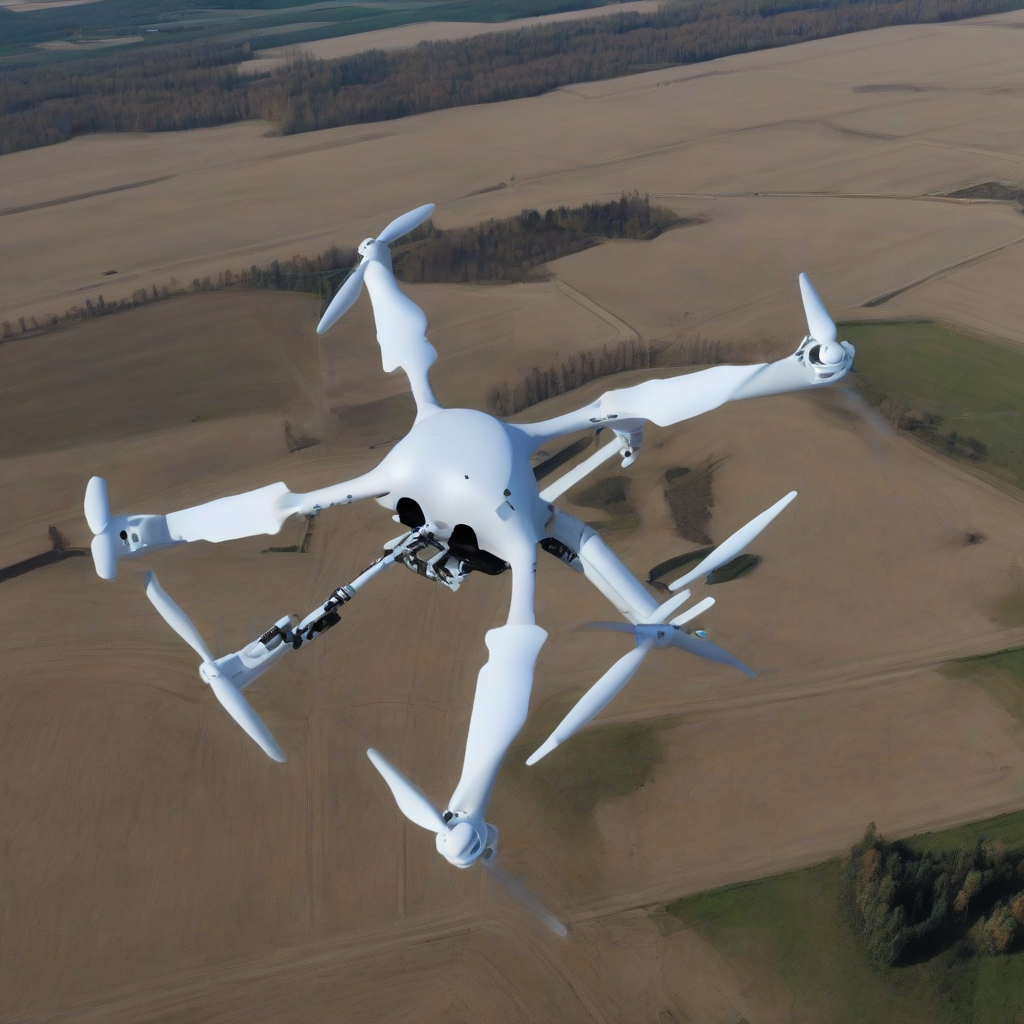
RIGA – Latvia is partnering with Ukraine to establish a drone manufacturing facility in the Latgale region, strategically locating the plant near the Baltic state’s eastern border.
The joint venture aims to rapidly integrate Ukrainian combat experience into Latvia’s national defense infrastructure. The initiative follows an intergovernmental defense agreement signed between Riga and Kyiv in early June.
Prime Minister Andris Kulbergs announced the commitment after an extraordinary government meeting held at the Luznava military base in the Rezekne area. Officials said the project will be implemented under Latvia’s obligations as a member of NATO and the European Union, and within the framework of the country’s national defense planning documents, including the National Security Concept.
Border Security and Regional Economic Stability
The facility’s placement in Latgale is intended to address specific security vulnerabilities in the region bordering Russia and Belarus. The area, in Latvia’s less affluent east, has long been viewed in Riga as both a frontline for deterrence and a region in need of sustained investment.
Kulbergs stated that representatives from these border areas view security as the top priority. He noted that a lack of adequate safety measures could trigger a serious decline in the region’s economic health, particularly within the tourism and industrial sectors. Local mayors have previously warned that perceptions of insecurity can deter investors and accelerate outward migration.
To mitigate immediate risks, Latvia is accelerating the deployment of specialized defense hardware. According to the government, the Latgale project is expected to generate high-skilled technical jobs and contracting opportunities for local suppliers, tying national security policy directly to regional development.
Air Defense Implementation Timeline
Latvia is moving to match Ukraine’s current capabilities in drone defense to protect its airspace without the constant deployment of manned military aircraft. Officials describe the effort as a way to harden civilian and military infrastructure against low-cost, unmanned threats that have become a defining feature of the war in Ukraine.
The rollout follows a specific strategic timeline:
- Early June: Signing of the intergovernmental defense agreement, setting the political and legal basis for joint production and technology transfer.
- July or August: Deployment of anti-drone systems along the borders with Russia and Belarus, coordinated with existing NATO surveillance and air-policing arrangements.
- Year-end: Target date to reach a level of drone protection equivalent to that of Ukraine, including integrated detection, interception, and electronic warfare capabilities.
Under the terms of the cooperation deal, Ukraine will share technical expertise and “know-how” regarding the defense of airspace, with a focus on unmanned systems and air defense technologies. Latvian officials say the cooperation is also intended to standardize equipment and procedures so that future systems can plug more easily into allied command structures.
“These are concrete steps to strengthen our shared defense and joint production,” Ukrainian President Volodymyr Zelensky wrote on X. “It’s important that Ukrainian experience and knowledge will help build the potential of our partners.”
The joint venture will now proceed toward the construction phase in the Latgale region. The government has not yet disclosed detailed cost figures or production volumes, but officials indicated that the project will be subject to parliamentary oversight and procurement rules, and will be aligned with the EU’s emerging framework for defense industrial cooperation, including initiatives to support joint production of critical capabilities across member states.
