KYIV – Hundreds of protesters gathered near the Ivan Franko National Theatre in central Kyiv on Thursday to condemn the dismissal of Defence Minister Mykhailo Fedorov, occurring simultaneously with a sweeping cabinet reshuffle and the parliamentary approval of a new prime minister.
The demonstrations, which mirrored unrest in Lviv, Odesa, and Dnipro, highlight growing public volatility regarding the leadership of Ukraine’s wartime administration. In the capital, protesters carried placards reading “The Russians are celebrating” and chanted “Shame!” in a direct challenge to the timing and rationale of the leadership changes.
This political upheaval comes at a critical juncture for Kyiv, as it balances the immediate demands of a war of attrition with the institutional requirements for European Union membership. The removal of a high-profile reformer like Fedorov risks signaling a retreat from the transparency initiatives that have been central to Ukraine’s diplomatic appeals for Western support.
The protests took place within sight of the presidential office, a location steeped in recent political memory. It was the site of last July’s “cardboard protest,” where intense public pressure forced President Volodymyr Zelenskyy to reverse a decision that had stripped Ukraine’s anticorruption agencies of their autonomy.
Following his removal, Fedorov took to X to address his departure.
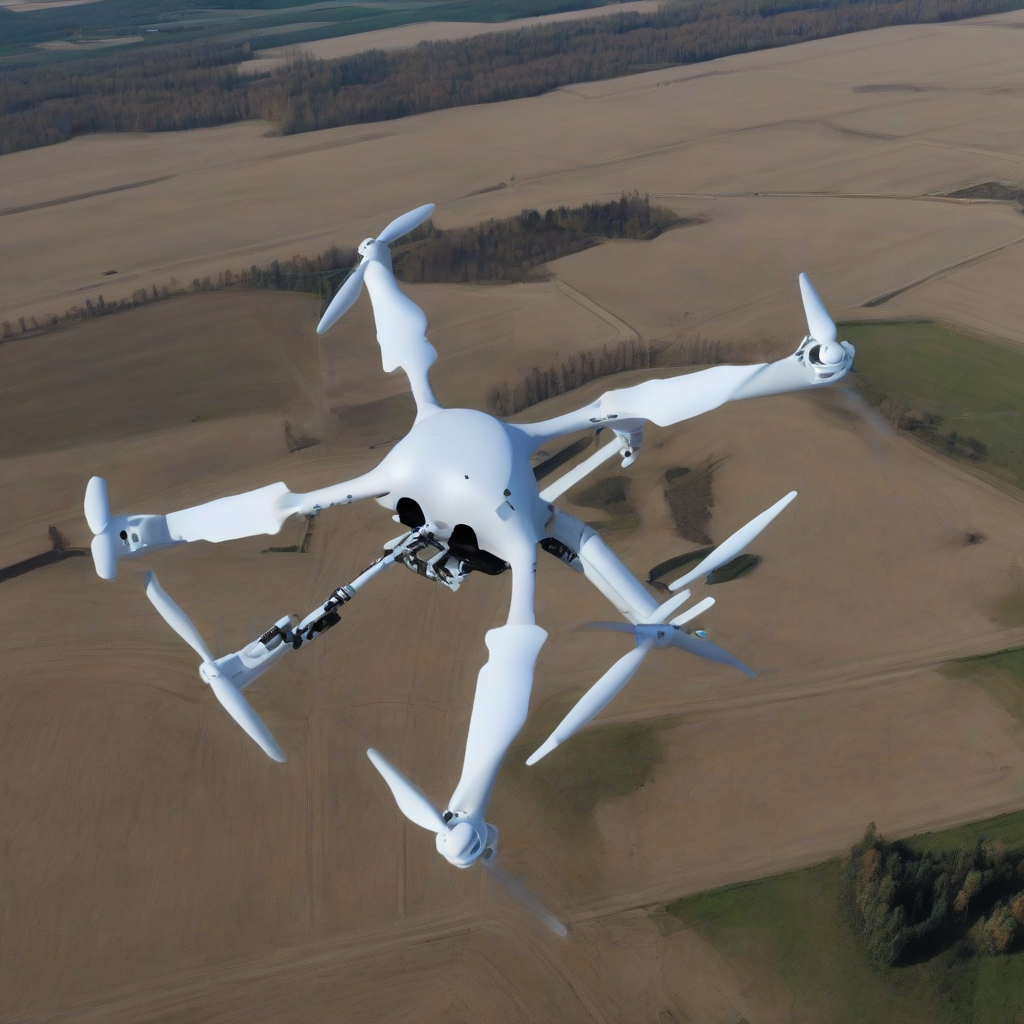
“It has been a great honour to serve the Ukrainian people,” Fedorov wrote, while detailing the ministry’s achievements, including the disabling of “Starlink access for Russian forces” and the implementation of programs to scale domestic drone production.
Fedorov, 35, entered the defence portfolio as a technology specialist, having previously served as Ukraine’s first minister for digital transformation. In that role, he was the architect of the Diia ecosystem, the digital governance platform that streamlined state services during the invasion.
Within the Ministry of Defence, Fedorov was credited with replacing legacy Soviet-era bureaucracy with a data-driven approach to procurement and logistics. His efforts to digitize the supply chain and tackle entrenched corruption within the military-industrial complex earned him praise from international monitors but created friction with established figures in the political and military hierarchies.
While supporters view his ouster as a blow to transparency, critics within the administration argue that Fedorov failed to address the existential crisis of military recruitment quickly enough, leaving the front lines under-resourced in personnel.
Addressing reporters on Wednesday, President Zelenskyy emphasized the need for the Ministry of Defence and military leadership to operate with “greater unity,” an admission that tensions between Fedorov and other high-ranking officials had become a liability. Under Ukraine’s wartime governance system, that unity is concentrated in the presidency and security bloc, which operate under extended martial law and emergency powers derived from the country’s wartime legislation and its constitution.
A Pivot to Energy and Industry
The reshuffle culminates in the appointment of Sergiy Koretsky as Ukraine’s new prime minister, replacing Yulia Svyrydenko after a parliamentary vote that formalized the new cabinet lineup. The change places day-to-day management of the wartime economy in the hands of a figure closely associated with the energy sector and state-owned enterprises, at a time when Russian missile and drone strikes continue to target power infrastructure.
Koretsky brings a background in energy security and private sector management. He previously led Naftogaz, the state-owned energy giant, through a brutal winter characterized by systematic Russian missile and drone strikes on the power grid, which resulted in widespread heating and electricity failures.
Koretsky’s career reflects a blend of state service and entrepreneurship:
- Founder of the Idealist Coffee Co chain.
- Former leader of the WOG petrol station network.
- Head of state-owned energy firms Ukrnafta and Ukrtatnafta between 2022 and 2025.
The transition suggests a strategic shift toward prioritizing the defence industrial base and energy resilience as central pillars of Ukraine’s wartime policy. Writing on X after his appointment, Koretsky stated that his “foremost task is to fully equip” the defence forces and “accelerate the expansion” of the country’s domestic military production, framing industrial capacity as a condition for sustaining the long war.
Koretsky also reiterated that the strategic objective of joining the European Union “remains unchanged,” and pledged “special attention to frontline communities that endure Russian attacks every day.” His comments underline the government’s need to show that rapid personnel changes at the top will not derail reforms tied to EU accession benchmarks on the rule of law, public administration and defence-sector oversight.
As part of the broader cabinet restructuring, Interior Minister Ihor Klymenko is widely expected to be named the new defence minister, moving the portfolio from a tech-centric reformer to a security veteran with a background in policing and internal security. Such a shift would tighten the alignment between the defence establishment and Ukraine’s powerful interior and security services at a moment when questions over civilian control of the military, conscription policy and battlefield accountability are increasingly contested in public.
The Ukrainian parliament has formally confirmed the new wartime government, though the administration continues to face scrutiny over the balance between martial law efficiency and democratic accountability. Opposition lawmakers and civil society groups say the test for the reshaped cabinet will be whether it can maintain transparent procurement, credible oversight of the defence budget and meaningful consultation with a public that is bearing the human and economic cost of a third year of full-scale war.