
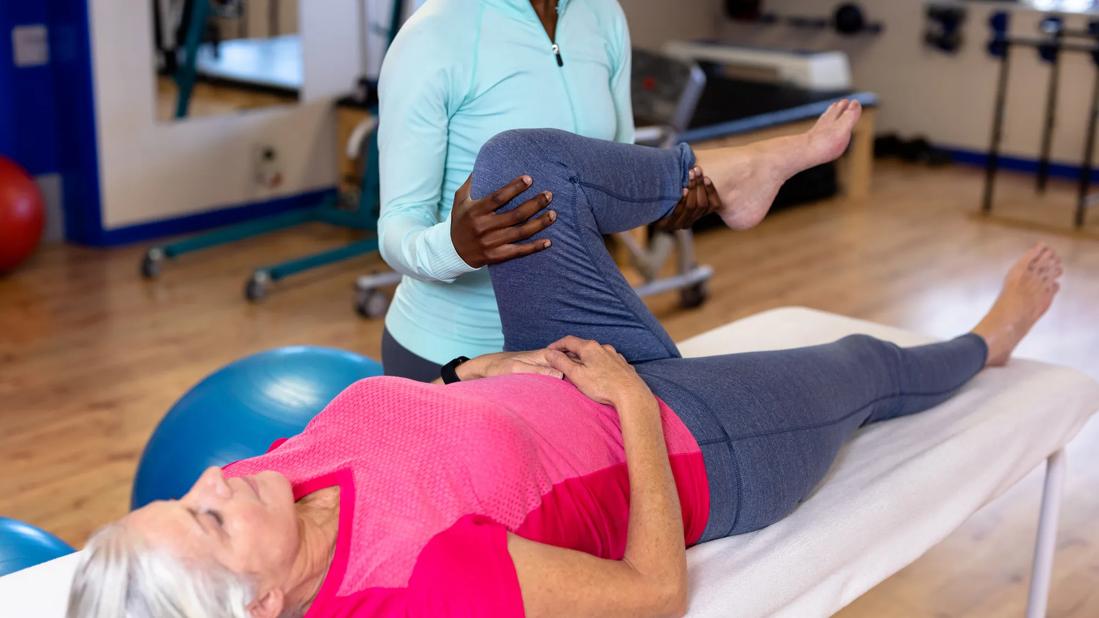
The paradigm of surgical recovery is shifting from a reactive model-where rehabilitation begins after the procedure-to a proactive strategy known as prehabilitation. This approach focuses on optimizing a patient’s physiological and psychological state before they enter the operating room to improve surgical trajectories and systemic health outcomes.
“Prehabilitation – optimizing a patient’s condition before surgery to help optimize their outcomes after it – is especially important in total joint replacement,” says Gary Calabrese, DPT, Senior Director of Rehabilitation and Sports Therapy at Cleveland Clinic.
For patients facing total joint replacement, the condition is rarely acute. Instead, it is typically characterized by a slow degradation of function and a chronic adaptation to pain. Prehabilitation seeks to reverse these adaptations, preparing the musculoskeletal system for the stress of surgery and the subsequent demands of recovery.
“The goal of prehabilitation is to help patients reduce complications and length of stay postoperatively, as well as enhance overall quality of life and function,” says Dr. Calabrese. “This involves gathering baseline information and designing a program to maximize their functional capabilities and strength and prepare them mentally for what to expect regarding their pain level, function and stages of recovery.”
The Framework for Preoperative Assessment
Unlike standardized orthopedic repairs, such as ACL reconstructions, total joint replacements involve patients with widely varying baseline health markers, comorbidities, and functional limitations. A systematic assessment is required to establish a precise starting point for each individual, and to document that process in ways that satisfy both clinical standards and insurer expectations in an era of value-based reimbursement.
“When someone tears their ACL, the repair and recovery process is usually a lot like what others go through with the same injury,” says Dr. Calabrese. “For a total joint replacement, however, no patient is the same. Every starting point is different. Every trajectory is different. To plan a patient’s return to function and prepare the patient for what to expect in the short-, mid- and long-term, we must conduct an individual assessment.”
To standardize this process, clinical teams utilize a specific battery of tests to quantify a patient’s current state and create a defensible baseline against which outcomes can be measured:
| Assessment Tool | Clinical Objective |
|---|---|
| Balance Assessment | Evaluating single-leg and double-leg stability to determine fall risk and inform home-safety planning. |
| Strength Assessment | Using electronic dynamometry to measure force in quadriceps, hamstrings, hip abductors, and ankle dorsiflexion. |
| Timed Up and Go (TUG) | Measuring the ability to transition from sitting to standing, walking, turning, and returning to a seat. |
| Stair-Climb Test | Assessing the functional capacity to navigate a 6-inch step, mirroring typical home and community demands. |
| Six-Minute Walk Test | Evaluating aerobic capacity and endurance on a flat surface via treadmill. |
These metrics, combined with patient-reported outcome scores regarding quality of life, allow providers to design custom physical therapy programs tailored to the specific impairments of the patient and to track progress with the kind of quantitative data increasingly expected by payers and quality programs.
“Our goals are to evaluate each patient’s preoperative pain, fitness level and impairments that might affect their functional outcome of total joint replacement,” says Dr. Calabrese. “Then, to offset these, we design a custom physical therapy program, including type, intensity and duration of exercise.”
Customized Interventions by Joint Type
While the overarching goal is optimization, the specific interventions differ based on the anatomy of the joint being replaced. This targeted approach ensures that the tissues most critical to postoperative mobility are prioritized and that exercise prescriptions remain safe within the constraints of the existing pathology.
Knee Replacement Protocols:
- Strength Optimization: Focus on quadriceps through standing, sitting, and supine exercises to support early postoperative weight bearing.
- Hamstring Stretching: Addressing limited extension caused by chronic walking on a flexed knee, which can otherwise persist after surgery.
- Balance and Gait Training: Correcting stride patterns to improve coordination and mitigate postoperative fall risks.
- General Conditioning: Utilizing aquatic therapy or cycling to bolster aerobic capacity without exacerbating joint pain.
Hip Replacement Protocols:
- Targeted Strengthening: Emphasis on hip abductors and adductors to stabilize the pelvis and normalize gait.
- Flexibility: Focused stretching to improve lower back and hip mobility, supporting activities such as sitting, dressing, and stair climbing.
Shoulder Replacement Protocols:
- Postural Alignment: Exercises focusing on scapular stability to support joint mechanics and reduce compensatory neck and back strain.
- Joint Stability: Isometric rotator cuff exercises, implemented based on patient tolerance, to maintain neuromuscular control without overloading the joint.
The delivery of these programs is increasingly integrating musculoskeletal health monitoring through digital tools. “Patients may see us for only one or two prehabilitation visits, but then we follow them through electronic health record messaging, wearable technologies and apps where they can input metrics as they complete the program on their own,” Dr. Calabrese says. That hybrid model, he adds, is becoming central as health systems seek to expand access without adding clinic volume.
Systemic Impact on Healthcare Delivery
From a public health and administrative perspective, prehabilitation aligns with the goals of value-based care. By optimizing the patient before surgery, healthcare systems can potentially reduce the cost of care and improve the efficiency of hospital resource utilization-key metrics in joint-replacement bundles and alternative payment models overseen by the U.S. Centers for Medicare & Medicaid Services.
The systemic benefits of prehabilitation typically manifest in several key areas:
- Reduced Length of Stay (LOS): Patients who enter surgery with higher functional reserves often meet discharge criteria faster, freeing up acute care beds and supporting hospital throughput targets.
- Lower Readmission Rates: By reducing postoperative complications and fall risks, the likelihood of unplanned hospital returns is diminished-an outcome closely watched by regulators and payers.
- Workforce Optimization: The use of remote monitoring and apps allows physical therapists to manage larger patient cohorts while maintaining individualized oversight of progress and safety alerts.
- Economic Efficiency: Lowering the intensity of postoperative care can reduce the overall financial burden on both the patient and the regulatory payment frameworks governing joint replacements.
For hospital leaders and policymakers, those gains translate into a tangible argument for investing in preoperative programs that may not generate revenue directly but can protect margins, quality scores, and patient satisfaction over the full episode of care.
Addressing Mobility Barriers and Patient Adherence
A significant challenge in prehabilitation is managing the very pain and mobility limitations that the surgery is intended to fix. To prevent these barriers from hindering preoperative optimization, therapists employ specific pain-mitigation strategies and calibrate expectations early.
These include the use of cold therapy, nonsteroidal anti-inflammatory medications, and the instruction of isometric exercises designed to reduce perceived joint pain. Physical therapists also guide patients to operate within a “pain-free range of motion” and may use manual distraction-creating space between articular surfaces-to relieve pressure. Patients are also taught self-mobilization techniques using tools like rollers or balls, which can be safely continued at home.
However, the clinical efficacy of these tools is dependent on the psychological readiness of the patient. The transition from a passive recipient of care to an active participant in their own recovery is a critical component of the process, and one that increasingly sits alongside informed-consent discussions and shared decision-making in orthopedic clinics.
“The success of a prehabilitation program depends on engaging the patient,” Dr. Calabrese says. “We can set a recovery plan and explain to a patient how we’ll help them, but the patient needs to accept their role in the process. A well-educated patient who follows through on the plan is key.”
Worth a look
