
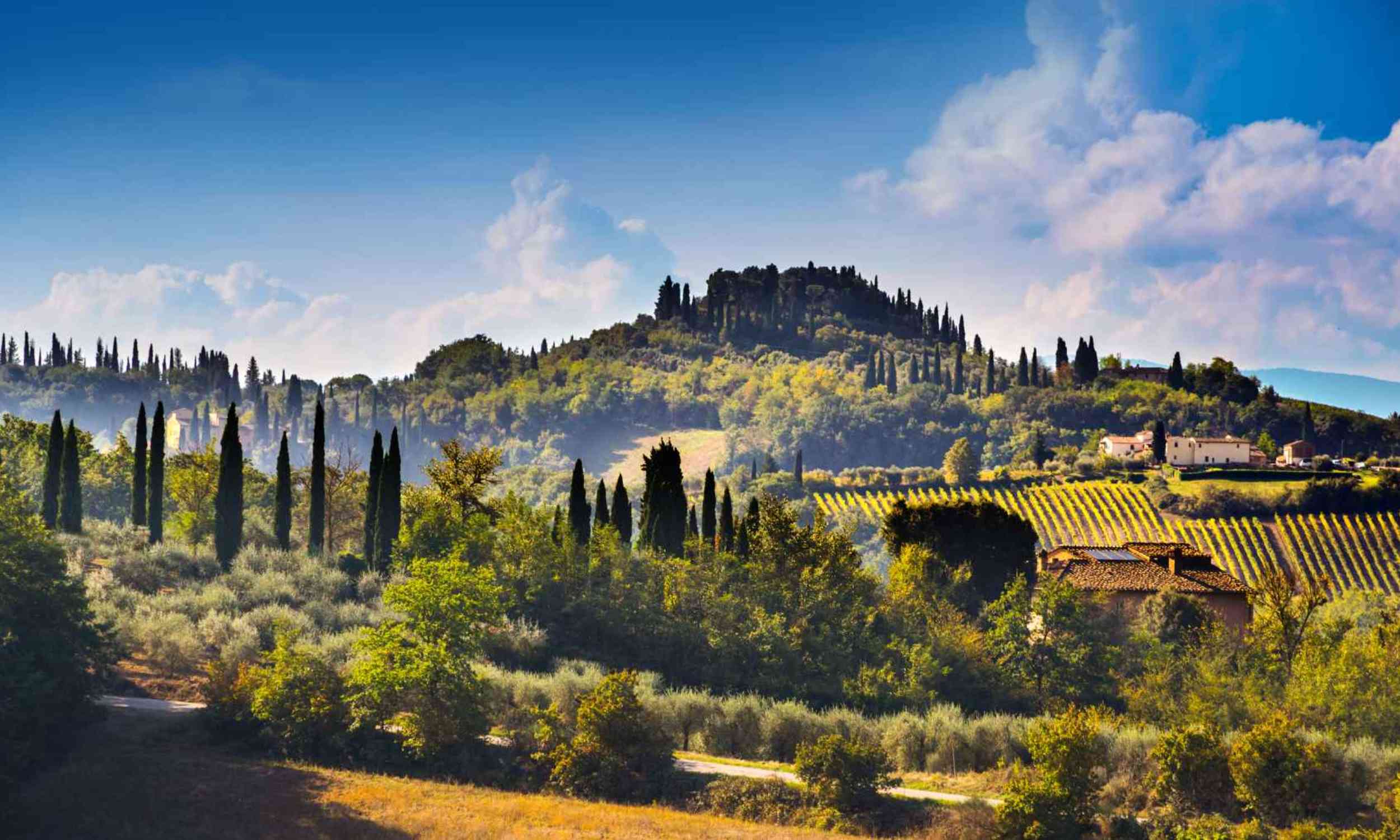
The discovery of over 5,000 cubic kilometers of magma and molten rock beneath the surface of Tuscany marks a significant shift in subterranean mapping. This vast reservoir, which has remained hidden despite its scale, challenges previous assumptions about how magma systems signal their presence to the surface and opens new avenues for energy and mineral extraction. It also drops an unexpected geological engine beneath one of Europe’s most visited cultural landscapes, with implications for Italy’s long-term energy planning and the European Union’s efforts to secure strategic raw materials.
Passive Seismic Imaging and Ambient Noise Tomography
Traditional seismic exploration often relies on active sources, such as controlled explosions or vibration trucks, to send waves into the crust. However, the mapping of the Tuscan reservoir utilized ambient noise tomography, a passive sensing technology that captures the Earth’s natural background hum.
By processing continuous vibrations caused by ocean waves, wind, and urban traffic, researchers can create high-resolution 3D maps of the upper crust. In hot or molten zones, these seismic waves slow down significantly. In the Larderello region, wave speeds dropped to approximately 0.8 miles per second at a depth of 6 miles, a stark contrast to the faster speeds typically found in solidified crustal rock. That dramatic slowdown provided one of the clearest signatures yet of a laterally extensive, partially molten body rather than a narrow volcanic conduit.
| Feature | Active Seismic Imaging | Ambient Noise Tomography |
|---|---|---|
| Source | Artificial (explosions/vibroseis) | Natural (wind, ocean, traffic) |
| Environmental Impact | High (surface disruption) | Negligible (passive listening) |
| Coverage Speed | Slow (point-by-point) | Rapid (broad area mapping) |
| Primary Use | Oil/Gas exploration | Volcanology/Crustal research, geothermal targeting |
For policymakers, the technique matters as much as the result. Passive seismic imaging can be deployed across populated or environmentally sensitive areas without the disruption associated with active surveys, giving regulators a lower-conflict way to assess subsurface resources before approving major drilling campaigns.
The Tuscan Magmatic Anomaly
The identified magma zone is not a traditional volcanic pipe but a broad region extending from 9 miles deep to about 5 miles below the surface. This lateral spread explains why the region lacks the classic markers of a volcanic basin, such as massive craters or significant ground swelling seen in systems like Yellowstone. To residents and visitors, the landscape reads as rolling Tuscan hills, not an obvious volcanic field.
The geological composition of the area plays a critical role in its apparent stability. The magma is rich in silica, increasing its viscosity and making it “stickier” than basaltic melts. This high viscosity inhibits the upward movement of magma, potentially creating a seal that traps newer melts beneath the existing reservoir and slows the release of pressure to the surface.
Regarding the lack of surface activity, researchers noted: “The reason why this large amount of melt never gave rise to eruptions is enigmatic and debated.” That uncertainty will be a key consideration for Italian civil protection authorities and local planners as they weigh the very low current volcanic risk against expanded industrial use of the subsurface.
Supercritical Fluids and Geothermal Infrastructure
The proximity of this magma to the surface has direct implications for geothermal energy infrastructure. In the Larderello-Travale district, one of the world’s oldest industrial geothermal fields, drilling has already identified temperatures reaching 954 degrees Fahrenheit at depths of 1.7 miles.
At these extreme temperatures and pressures, water enters a supercritical state-a phase where it exhibits properties of both a liquid and a gas. Supercritical fluids are highly efficient heat carriers, capable of transporting significantly more energy than conventional steam, which could drastically increase the power output of geothermal plants and support Italy’s contribution to the EU’s climate and energy targets.
- Energy Density: Supercritical systems can produce up to ten times the electricity of a standard geothermal well, potentially reducing surface footprints for the same installed capacity.
- Heat Transport: Higher mobility through crustal fractures allows for more efficient energy extraction and more flexible plant design.
- Infrastructure Risk: Extreme heat and chemical corrosivity require advanced metallurgy for drilling and piping, raising project costs and demanding tighter industrial standards and oversight.
For regulators, that trade-off is central. Accelerating superhot geothermal development would require updated permitting, safety rules and environmental assessment frameworks to manage induced seismicity, subsidence and fluid disposal, while still enabling investment at the scale climate targets demand.
Strategic Minerals and the European Supply Chain
Beyond energy, these magmatic systems are prime targets for the extraction of critical raw materials. Hot fluids circulating within and around magma bodies often concentrate elements like lithium and rare earth elements (REEs), which are essential for the green energy transition and for Europe’s battery, wind turbine and electronics supply chains.
The ability to locate these deposits via passive seismic imaging reduces the reliance on invasive exploratory drilling. This aligns with broader European regulatory efforts, including the recently adopted EU Critical Raw Materials Act, to secure domestic sources of materials needed for high-tech manufacturing and battery production while tightening environmental safeguards.
The strategic value of this discovery is highlighted by the research team: “These results are important both for fundamental research and for practical applications, such as locating geothermal reservoirs or deposits rich in lithium and rare earth elements, which are used, for example, in electric vehicle batteries.” For national governments and the European Commission, such systems could become test beds for balancing raw-material autonomy with strict environmental and community protections.
While the model suggests that Mount Amiata may contain even larger volumes of melt than Larderello, further multi-wave seismic surveys are required to refine the data. Any move from mapping to extraction there would face close scrutiny from local authorities, heritage bodies and environmental regulators, given the area’s tourism economy and protected landscapes.
For now, the Tuscan system represents a mature magmatic engine that provides a roadmap for finding similar hidden resources globally-offering governments, utilities and mining regulators a new template for integrating deep subsurface science into climate, energy and industrial policy.
The full study is published in Communications Earth & Environment.
Keep reading
