
The Architecture of Autonomous Space Medicine
The transition from short-term orbital sorties to sustained human presence on the Moon and Mars requires a fundamental shift in medical infrastructure. For decades, the International Space Station (ISS) has operated under a safety umbrella of proximity, where the most complex medical crises are solved through evacuation and near-real-time consultation with ground-based specialists. However, the “evacuation model” collapses once a crew leaves low Earth orbit (LEO), where return windows are measured in months or years rather than hours.
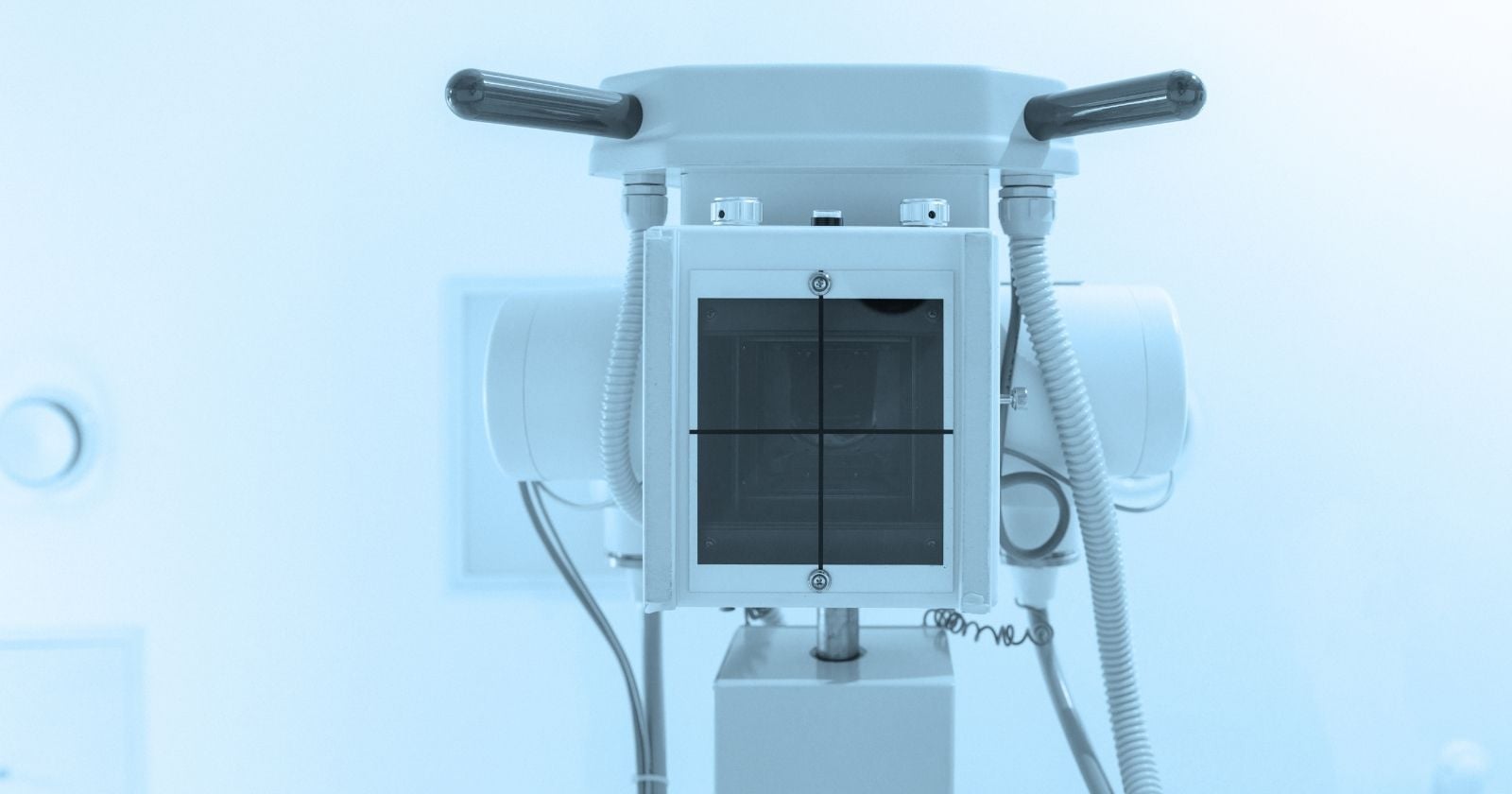
The Fram2 mission, which executed the first human spaceflight to fly a 90-degree orbit over the poles, provided a critical proof-of-concept for autonomous diagnostics. By utilizing a commercial off-the-shelf (COTS) MinXray unit-a wireless generator smaller than a briefcase-the crew produced the first diagnostic radiographs in space. This shift toward compact, wireless, and non-specialist-operated hardware marks the beginning of a new era in aerospace medicine, where diagnostic capability must reside with the patient and the spacecraft, not the flight surgeon on Earth.
The vulnerability of the current system was highlighted in January 2026, when NASA was forced to execute the “first medical evacuation in the station’s 25-year history” after a Crew-11 member developed an “apparently serious” medical condition. The evacuation was triggered specifically because the necessary diagnostic tools were only available on Earth. For mission planners, that event read like a policy warning label: in a deep-space transit to Mars, such a gap in infrastructure is not a logistical hurdle; it is a mission-ending risk that could force agencies and commercial operators to abandon billion‑dollar campaigns.
COTS Integration and Operational Feasibility
The deployment of the MinXray system represents a strategic move toward COTS integration in spaceflight. Rather than developing bespoke, radiation-hardened government hardware-which often takes decades to certify-the Fram2 mission tested an FDA-cleared device already used in high-pressure terrestrial environments like the Super Bowl or the Kentucky Derby. For civil space agencies and private launch providers, this approach offers a faster path from lab bench to flight manifest, with regulatory baselines already established on Earth.
The operational success of the mission hinged on the ability of non-physicians to operate complex machinery. With only four hours of preflight training, the crew successfully imaged chests, abdomens, and pelvises without live guidance from the ground. This demonstrates a critical democratization of medical technology, proving that diagnostic-grade imaging can be achieved by a small, multidisciplinary crew where a dedicated physician may be unavailable or incapacitated. For future lunar and Martian programs, this finding will shape crew composition requirements, training budgets, and the medical standards embedded in contracts for commercial crew transport.
| Capability | LEO (ISS) Infrastructure | Deep Space (Moon/Mars) Infrastructure |
|---|---|---|
| Medical Evacuation | Available within hours/days | Impossible or takes months/years |
| Diagnostic Source | Earth-based tele-medicine | On-board autonomous hardware with delayed ground support |
| Operator Profile | Guided by ground specialists | Trained non-expert crew |
| Hardware Philosophy | Specialized, government-built | COTS, ruggedized commercial tech |
From Clinical Imaging to Hardware Forensics
While the medical implications are paramount, the Fram2 mission revealed a secondary, industrial utility for portable radiography: non-destructive testing (NDT). The crew used the device to image a smartwatch, resolving internal components at a submillimeter scale. In the context of a lunar base or a Mars transit vehicle, this capability transforms the X-ray from a medical tool into a critical engineering asset, able to interrogate hardware that cannot safely be disassembled.
Long-duration missions face constant threats from material fatigue and component failure. The ability to perform internal inspections on circuit boards, seals, or welds without disassembling critical systems reduces the risk of catastrophic failure and allows crews to verify the integrity of 3D-printed replacement parts against original specifications. For agencies drafting standards for in‑situ manufacturing and repair, these dual-use imaging systems are likely to become mandatory infrastructure, serving both the health of astronauts and the health of their spacecraft.
Technical Risks and Radiation Degradation
Despite the success of the Fram2 flight, the leap from a three-day LEO mission to a multi-year Martian transit introduces severe environmental stressors that mission architects and regulators cannot ignore. The primary concern for digital radiography in deep space is the degradation of the flat-panel digital detectors.
- Radiation Interference: High-energy galactic cosmic rays (GCRs) can induce “pixel death” or noise in CMOS and TFT sensors, potentially obscuring subtle diagnostic markers and forcing conservative, possibly overcautious, clinical decisions.
- Thermal Cycling: Extreme temperature swings on the lunar surface can cause mechanical stress on the generator’s housing and electronic circuitry, demanding new design requirements for thermal shielding and storage.
- Power Constraints: Wireless systems rely on battery density and charging cycles that must be sustainable without frequent Earth-based resupply, placing medical imaging squarely inside broader power-budget trade-offs for habitats and transit vehicles.
- Clinical Nuance: While a clean fracture is easily identified, diagnosing complex conditions like pulmonary embolisms requires a level of clinical parity that a four-hour training course cannot yet provide, raising difficult questions about acceptable medical risk thresholds for exploration-class missions.
The Regulatory Trajectory of Space Medicine
The success of the Radiology journal findings regarding the Fram2 mission suggests a future where space-certified medical standards will mirror terrestrial Food and Drug Administration (FDA) compliance but with added certifications for microgravity and high-radiation environments. As national agencies and commercial spaceflight providers negotiate safety requirements for crewed missions beyond LEO, these standards will increasingly influence vehicle design, mission approval processes, and insurance underwriting.
By treating space as the “ultimate austere environment,” developers are creating a feedback loop. Technology refined for the lunar south pole will eventually migrate back to Earth, enhancing the capabilities of rural clinics, disaster response units, and battlefield medicine where fixed imaging suites are unavailable. For health ministries, defense departments, and emergency-management agencies, the same compact systems that keep crews on the surface of Mars could redefine minimum standards of care on Earth. The ability to treat injuries in place-without assuming rapid evacuation-is the invisible bridge between a brief visit to another world and a permanent human presence among the stars.
Worth a look
