
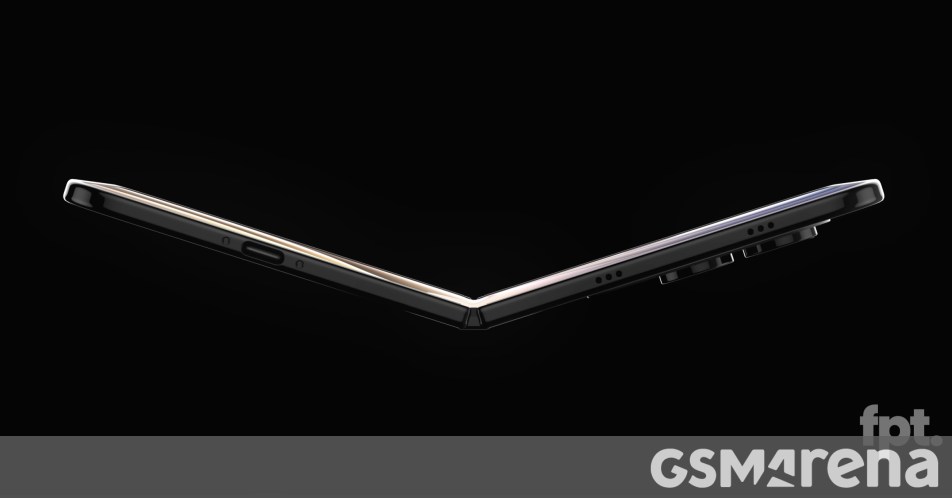
The smartphone landscape is approaching a pivotal shift as Apple prepares to enter the foldable market with a device known as the iPhone Ultra. This move represents more than just a change in form factor; it is a strategic play to redefine the premium handheld segment through aggressive miniaturization and vertical integration of core hardware components.
Structural Engineering and Form Factor
The iPhone Ultra is designed to address the primary pain points of existing foldable devices: thickness and the visible display crease. By utilizing an “over-engineered” hinge, the device aims to achieve a nearly seamless transition between the two halves of the flexible display and to reduce long-term mechanical fatigue, a key concern for institutional buyers planning multi-year device refresh cycles.
Beyond the hinge, the device introduces a wider aspect ratio compared to the current generation of Android foldables, optimizing the screen real estate for multitasking and professional workflows such as split-screen productivity suites, secure messaging, and video conferencing. The commitment to slimness is evident in the unfolded chassis, which is expected to be significantly thinner than previous Apple iterations, raising fresh questions for enterprise IT teams about durability standards, drop resistance, and repairability over the life of a procurement contract.
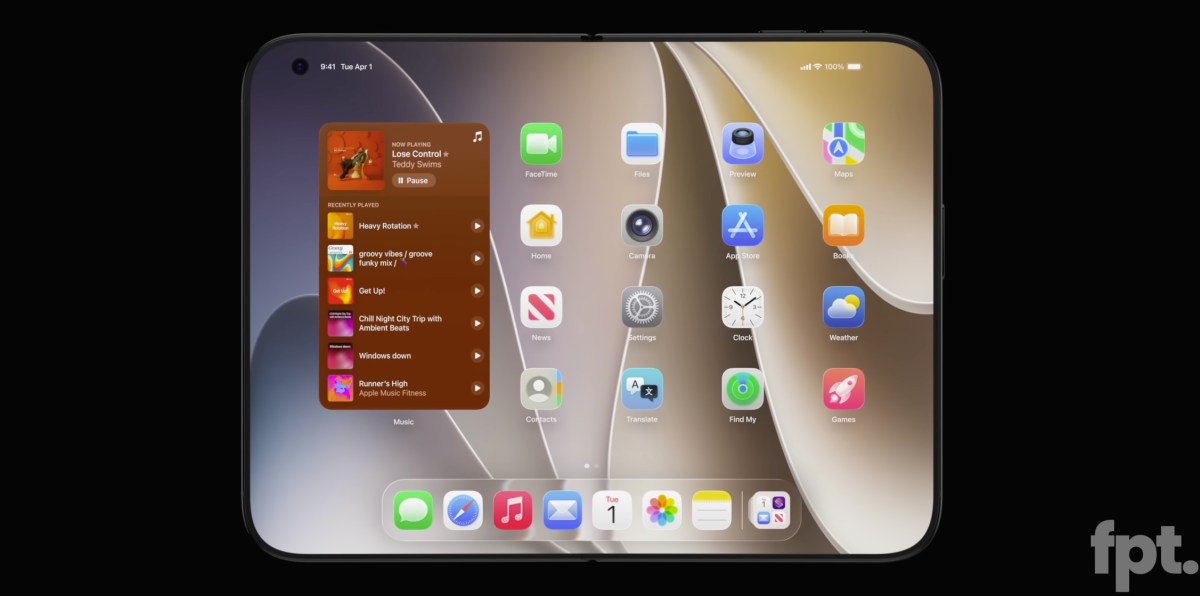
Visual identity remains conservative, with the device likely launching in only White and Black. The rear design features a dual-camera system integrated into a plateau inspired by the iPhone Air, complemented by a dedicated Camera Control button for rapid tactile access to photography settings. For government agencies and highly regulated industries that increasingly rely on mobile imaging-from field inspections to telehealth-the hardware emphasis on camera ergonomics is likely to intersect with stricter data-handling policies and retention rules.
Hardware Architecture and Connectivity
The internal specifications suggest a massive leap in processing power and connectivity. The transition to the A20 Pro chip likely aligns with shifts toward advanced semiconductor nodes, improving thermal efficiency-a critical requirement for devices with such slim profiles that have limited headroom for active cooling solutions. Higher efficiency at the silicon level also supports more sustained on-device processing for AI workloads that enterprises and public bodies are beginning to run at the edge rather than exclusively in the cloud.
Perhaps the most significant architectural change is the inclusion of the C2 modem. This represents Apple’s push toward reducing reliance on third-party vendors for 5G connectivity, allowing for tighter integration between the modem and the application processor to extend battery life and improve signal stability. For carriers and national regulators operating under the European Union’s European Electronic Communications Code and comparable frameworks elsewhere, a more vertically integrated radio architecture from a single dominant vendor could influence spectrum utilization, certification timelines, and interoperability testing, particularly as governments evaluate device fleets for emergency communications and critical infrastructure access.
| Component | Specification |
|---|---|
| Processor | A20 Pro Chip |
| Memory | 12GB RAM |
| Modem | In-house C2 Modem |
| Unfolded Thickness | 4.5mm |
| Input Interface | Dedicated Camera Control Button |
Market Positioning, Policy Sensitivities and Deployment
The introduction of the iPhone Ultra is expected to disrupt the high-end market by positioning the foldable not as a niche experiment, but as the flagship pinnacle of the ecosystem. The device’s 4.5mm thickness undercuts even the iPhone Air’s 5.6mm profile, signaling a new engineering benchmark for flexible electronics and raising the bar for competing vendors that supply hardware into public-sector tenders, education systems and health networks.
This rollout is anticipated to coincide with the launch of the iPhone 18 Pro series in September, aligning Apple’s foldable debut with its established annual hardware cadence rather than treating it as a one-off technology showcase. By bundling the foldable launch with the standard Pro cycle, the company can leverage existing supply chain momentum while introducing a new pricing tier for power users and enterprise clients who require tablet-class productivity in a pocketable format. That strategy also positions the iPhone Ultra squarely inside ongoing debates over device standardization, right-to-repair rules and long-term software support commitments-areas where regulators, procurement officers and corporate governance committees are increasingly dictating which premium devices make it into institutional hands.
Worth a look
