
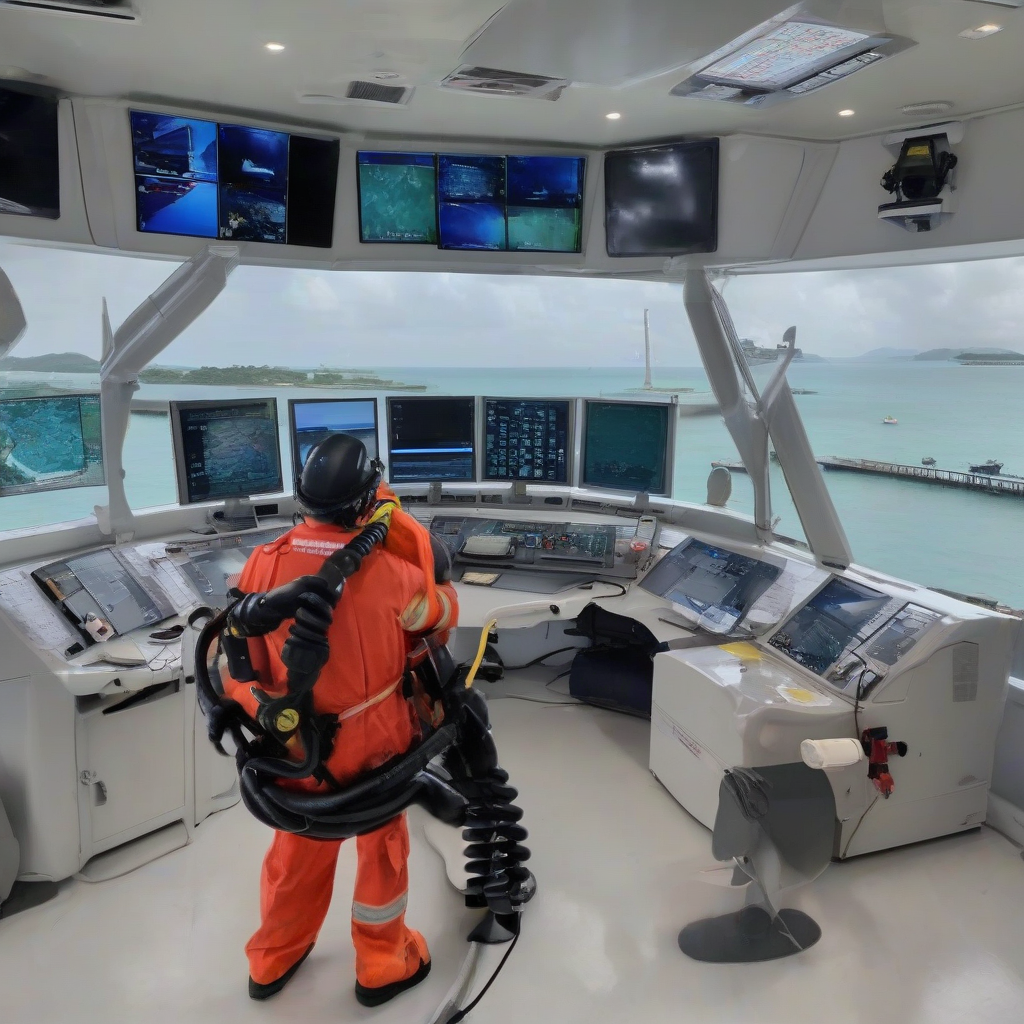
SINGAPORE – Law Minister and Second Minister for Home Affairs Edwin Tong officially opened a new headquarters for the Singapore Civil Defence Force (SCDF) Marine Division on June 19, establishing a specialized hub to manage maritime emergencies.
The facility is designed to centralize multi-agency coordination for high-risk operations, including ship fires and chemical, biological, and radiological emergencies. Its opening comes as Singapore continues to expand its capacity to secure one of the world’s most congested shipping lanes, a core responsibility of SCDF under the city-state’s wider civil defence and emergency management framework.
Maritime Emergency Infrastructure
The headquarters integrates advanced technology to improve situational awareness, which the SCDF states will allow for more agile responses during major incidents. It is intended to function as the operational nerve centre for marine firefighting, rescue and hazardous materials incidents, complementing SCDF’s broader role in providing fire-fighting, rescue and emergency medical services nationwide as set out in the Civil Defence Act and related regulations administered by the Ministry of Home Affairs.
To ensure responder readiness, the facility includes specialized training infrastructure:
- Ship-Interior Tunnel: A simulated environment designed to replicate the interior of a vessel, allowing responders to rehearse emergency scenarios such as onboard fires, flooding and confined-space rescues in realistic conditions.
- Height Rescue Platform: Equipment dedicated to practicing rescues from elevated structures typical of large maritime vessels, including superstructures and cranes.
Beyond internal training, the facility serves as a center for emergency preparedness programs tailored for maritime stakeholders. This outreach includes operators of ferries, harbour craft and pleasure craft companies to synchronize safety protocols across the sector, aligning private operators’ procedures with national civil defence requirements and port authority contingency plans.
Scale of Maritime Risk
The development of the headquarters is a response to the increasing volume and complexity of maritime traffic entering Singapore’s waters. As a primary global transshipment and bunkering hub, Singapore must maintain a high level of constant readiness to protect critical sea lines of communication, port operations and coastal communities.
Singapore records the following annual maritime activity:
- Vessel calls: Over 130,000 annually.
- Primary roles: Global transshipment and bunkering hub, with dense vessel traffic and frequent transfers of hazardous cargo.
Against this backdrop, the new hub is positioned as part of Singapore’s broader whole-of-government approach to homeland security and civil defence. Minister Tong noted that the growing demands of the maritime sector require a combination of skilled personnel, advanced vessels and strong partnerships between SCDF, other government agencies and industry players to maintain the security of the country’s waters.
Coordination and Decisive Response
The necessity for such a facility was highlighted by a maritime incident in February, involving a fire aboard the World Legacy cruise ship. During that operation, SCDF Marine Division officers worked alongside other agencies to contain and manage the emergency, deploying marine firefighting assets while coordinating passenger safety and port operations.
Minister Tong used the incident to emphasize that technical skill is only one component of successful emergency management.
“This incident also underscored an underlying fact that success depends not only on the courage and skills of SCDF officers, but also on their ability to assess the situation swiftly and accurately, coordinate effectively, and exercise decisive judgment under time-critical and demanding conditions,” he said.
The new headquarters will now function as the primary site for refining these coordination and assessment capabilities, including joint exercises with other government agencies and regular engagement sessions with maritime operators.
The facility is now fully operational and will begin hosting emergency preparedness programs for maritime stakeholders, reinforcing Singapore’s commitment to regulated, high-standards civil defence at sea and strengthening governance over safety in one of the world’s busiest maritime corridors.
- Urban Infrastructure Resilience: How European and Asian Megacities Are Adapting to Extreme Climate Oscillations in 2026
- UN General Assembly 2026 Framework on Autonomous Systems: International Diplomacy Faces Algorithmic Governance
- Jay Clayton named White House AI czar by Trump to lead task force (globallypulse.com)
