
Architectural Shifts in Endgame Scaling
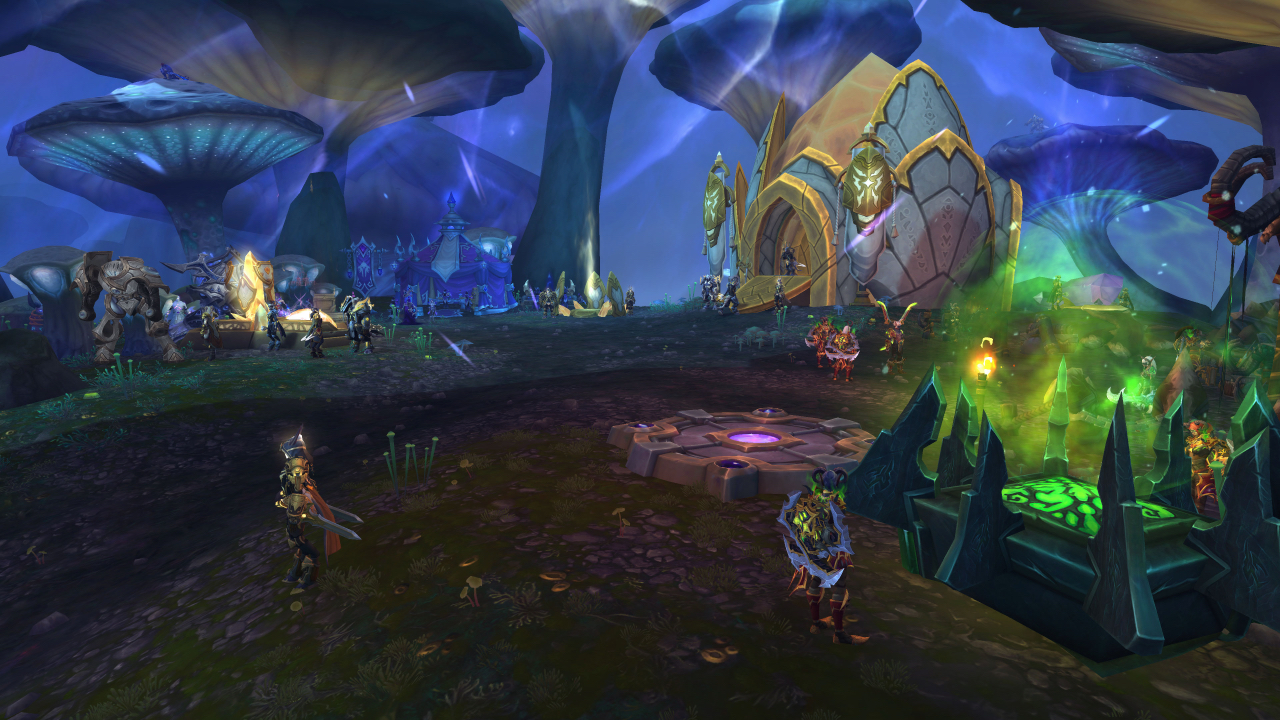
Blizzard is iterating on the structural design of its high-end encounters with the release of the Revelations Patch 12.0.7. The update introduces Sporefall, a specialized single-boss raid centered on the fungal giant Rotmire. Moving away from rigid group constraints, the Mythic difficulty for this encounter supports a variable range of 15 to 25 players, diverging from the industry-standard fixed group size of 20.
This flexibility suggests a strategic shift in how the developer manages player friction and matchmaking bottlenecks. By allowing a wider window for group composition, the system reduces the “barrier to entry” for high-tier content, ensuring that server-side population fluctuations do not prevent organized groups from accessing endgame rewards. It also aligns with a broader industry move toward adaptable, cross-region matchmaking infrastructures that must comply with evolving regional consumer protection and data-handling regimes, including the EU Digital Services Act, which increasingly shapes how large platforms structure online engagement and transparency for players.
Expanding the Content Pipeline
Looking toward the next major cycle, Blizzard has previewed Curse of Ula’tek, the first substantial content update for World of Warcraft: Midnight. This expansion of the game world introduces the Coiled Isle, situated off the coast of Zul’Aman and framed narratively as a strategic frontier for the Midnight storyline. The update is anchored by the Venomous Abyss, an eight-boss raid designed for Midnight Season 2 that concludes with a confrontation against Ula’tek.
Beyond the raid architecture, the update emphasizes a diversified engagement model. The introduction of the Altar of Fangs dungeon and three new Delves-including a Nemesis Delve-points toward a broader design philosophy: providing high-value progression for both massive guilds and solo-oriented players. This hybrid approach to content delivery is essential for maintaining player retention in a competitive live-service market, particularly as publishers refine monetization and reward structures under closer scrutiny from policymakers and consumer watchdogs. Within that context, World of Warcraft: Midnight is positioned by Blizzard as a flagship subscription MMO, rather than a pure free-to-play title, which shapes how progression, cosmetic rewards, and paid services are messaged to regulators and players alike.
Comparative Update Framework
| Feature | Revelations (Patch 12.0.7) | Curse of Ula’tek (Patch 12.1) |
|---|---|---|
| Primary Raid | Sporefall (Single-boss) | Venomous Abyss (Eight-boss) |
| Group Scaling | Flexible (15-25 players on Mythic) | Standard Season 2 scaling |
| New Zones | Naigtal and Val updates | Coiled Isle |
| Core Systems | Omnium Folio / Loa Lorewalking | New Delves / Updated Mythic+ pool |
| Status | Live | Previewed (Date TBD) |
Infrastructure and Progression Logic
The current deployment phase focuses heavily on systemic progression. The Revelations update integrates the rune-based Omnium Folio system, providing a structured layer of character advancement that interacts with the game’s broader economy and power curve. Additionally, the introduction of rotating activities in Naigtal and Val indicates a move toward “seasonal” events that keep the world environment dynamic without requiring massive client-side downloads for every change. For operators of long-running online worlds, these lighter-weight updates are increasingly seen as a way to manage infrastructure costs while responding more quickly to balance issues and regional regulatory expectations around disclosure of odds, rewards, and progression pacing.
The upcoming Season 2 Mythic+ pool will implement a curated rotation, blending new dungeons with returning legacy content. This strategy optimizes asset reuse while maintaining fresh gameplay loops. For players focused on prestige and collection, the return of Turbulent Timeways will bring Dragonflight dungeons back into rotation, accompanied by the Spawn of Vyranoth mount as a high-tier incentive. Taken together, these systems speak to an effort to balance hardcore progression demands with predictable, clearly signposted reward tracks that can withstand closer institutional scrutiny of in-game economies and time investment expectations.
These updates reflect the broader industry trend of games-as-a-service, where the goal is to minimize downtime between content drops while utilizing modular system updates to keep the player base engaged across different playstyles. For policymakers and competition authorities monitoring the concentration of power in digital platforms, World of Warcraft: Midnight’s evolving content cadence illustrates how a legacy subscription MMO is adapting live-ops practices-such as seasonal rotations, time-limited rewards, and cross-game asset reuse-within a framework that increasingly requires transparent communication to players and regulators about how virtual progression and monetization are engineered.
Related reading
