
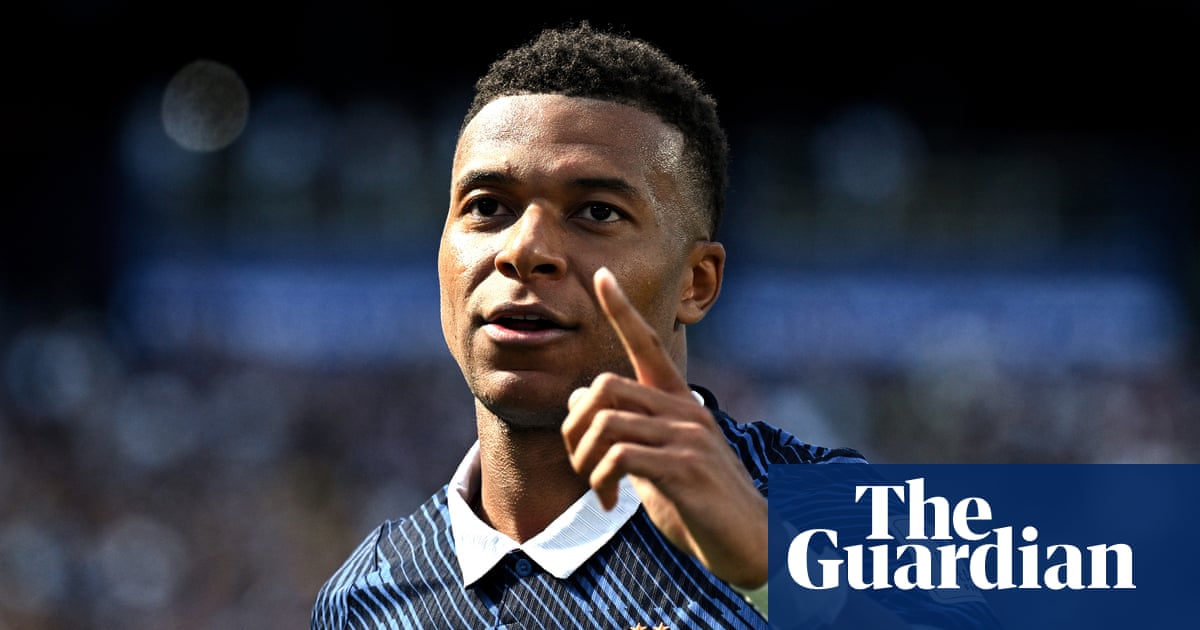
Mbappé Eyes World Cup Record and Century of Caps Ahead of Iraq Clash
Kylian Mbappé enters France’s decisive Group C encounter against Iraq on Monday with the dual prospect of a historic personal milestone and a high-stakes pursuit of the all-time World Cup scoring record.
For Les Bleus, the objective is clear: a victory over Iraq would seal their qualification from the group stage under the tournament regulations, easing pressure ahead of the final pool fixture and shaping the knockout bracket. While Mbappé has acknowledged the personal significance of the match, he has emphasized that team success takes precedence over individual accolades as France looks to secure its progression to the knockout rounds of the FIFA World Cup.
The Pursuit of Goalscoring History
Following a two-goal performance in the opening match against Senegal, Mbappé has moved within striking distance of the most prolific scorers in the tournament’s history. The race for the Golden Boot has evolved into a direct duel with Lionel Messi, whom Mbappé describes as the “best of the best,” and is unfolding under the intense global scrutiny that accompanies every World Cup played on multiple continents and time zones.
The current standing among the tournament’s elite goalscorers highlights the narrow margin between the current record and the chasing pack:
| Player | World Cup Goals | Status |
|---|---|---|
| Miroslav Klose | 16 | All-time Record |
| Lionel Messi | 16 | Tied All-time Record |
| Kylian Mbappé | 14 | Chasing Record |
The race has intensified after a prolific 48-hour period of scoring that saw not only Messi and Mbappé find the net, but also Erling Haaland and Harry Kane. For tournament organizers and broadcasters, this clustering of goals from marquee names is a commercial and audience boon; for Mbappé, it is a reminder that the record will likely be decided by moments on the finest of margins. Despite the competition, he remains pragmatic about his pursuit, noting that while goals contribute to records, his primary ambition is to lead France to the title.
A Century of International Service
Beyond the goalscoring race, Monday’s match marks a significant career landmark for the 27-year-old captain, who will earn his 100th cap for the French national team. Reaching a century of appearances at this age is a rare feat in international football, underscoring Mbappé’s durability, professionalism and central role in the squad’s tactical and leadership structure.
France’s football federation has long treated the “centurion” threshold as an institutional marker of service, and achieving this milestone during a World Cup adds further weight to the occasion. It helps cement Mbappé’s legacy as one of the most influential players to wear the national jersey, placing him alongside senior figures whose careers have helped shape modern French sporting identity and, by extension, the country’s soft power projection through football.
Squad Dynamics and Tactical Friction
Mbappé’s role as captain has extended into the realm of squad diplomacy. He has publicly defended Ousmane Dembélé, whose form has faced scrutiny from the French press and segments of the public. Mbappé highlighted Dembélé’s ability to create space and maintain fluidity in attack-contributions that often go unnoticed in official statistics but are vital for the team’s offensive cohesion in matches where a single group-stage result can alter the regulatory permutations for qualification.
This defense aligns with the stance of manager Didier Deschamps, who has expressed frustration with the media’s treatment of Dembélé, suggesting the player has been unfairly targeted. The captain and coach presenting a united front is not just a matter of dressing-room harmony; at a tournament of this scale, it also signals to federation officials and fans that France’s leadership core is determined to manage narrative pressure internally rather than allow external criticism to dictate selection or strategy.
The internal synergy was evident in France’s recent performance, where the interplay between Dembélé and Michael Olise proved decisive. Mbappé noted that while he and Olise were the finishers in the opening goal against Senegal, Dembélé’s movement was the catalyst for the opportunity, dragging defenders out of position and creating the structural imbalance that France exploited.
Regulatory Perspectives
The tournament has also introduced compulsory hydration breaks, a regulatory measure that has drawn mixed reactions from players and coaches. These pauses, written into the matchday protocols and enforced by officials, reflect the sport’s gradual adaptation to climate considerations and player welfare standards, particularly at events hosted across varied heat and humidity conditions.
Mbappé provided a nuanced view, suggesting that the utility of these breaks depends entirely on the match context. He noted that such interruptions can be detrimental if a team has momentum and is dominating play, disrupting rhythm and tactical flow. Yet he acknowledged they remain a necessity during periods of extreme heat to ensure player safety and performance-an area where medical guidance, legal liability and the global game’s duty-of-care expectations increasingly intersect with what happens on the pitch.
As France prepare to face Iraq with qualification, records and reputations all in play, Mbappé stands at the crossroads of personal history and collective ambition. The outcome will not only shape the trajectory of this World Cup campaign, but also deepen the ongoing conversation about how elite football balances spectacle, regulation and the long-term careers of its brightest stars.
Related reading
