
China’s night sky lit up on Jan. 3, 2026, as the year’s first supermoon rose over cities, heritage sites and icy landscapes from Beijing to Heilongjiang, offering residents a rare, nationwide celestial display that coincided with the peak of the annual Quadrantid meteor shower. The event formed part of the regular international observation calendar managed under the Outer Space Treaty, which underpins scientific cooperation and data-sharing on phenomena such as lunar orbits and meteor activity.
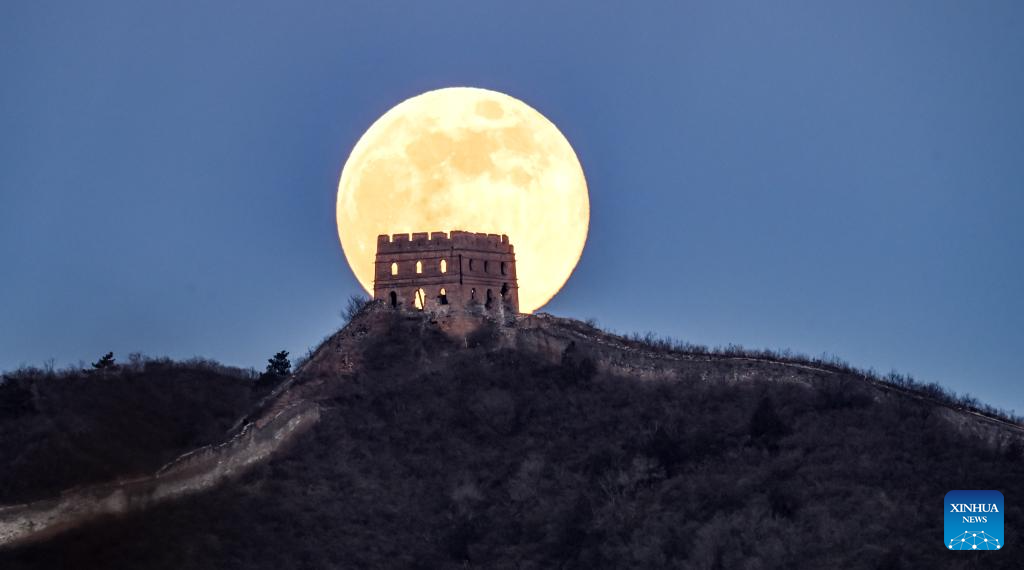
This photo taken on Jan. 3, 2026 shows the moon over the Panlongshan section of the Gubeikou Great Wall in Beijing, capital of China. The first super moon of 2026, characterized by the moon’s unusually close proximity to Earth, resulting in a larger and brighter appearance, showed in the sky on Saturday. (Xinhua/Chen Yehua)
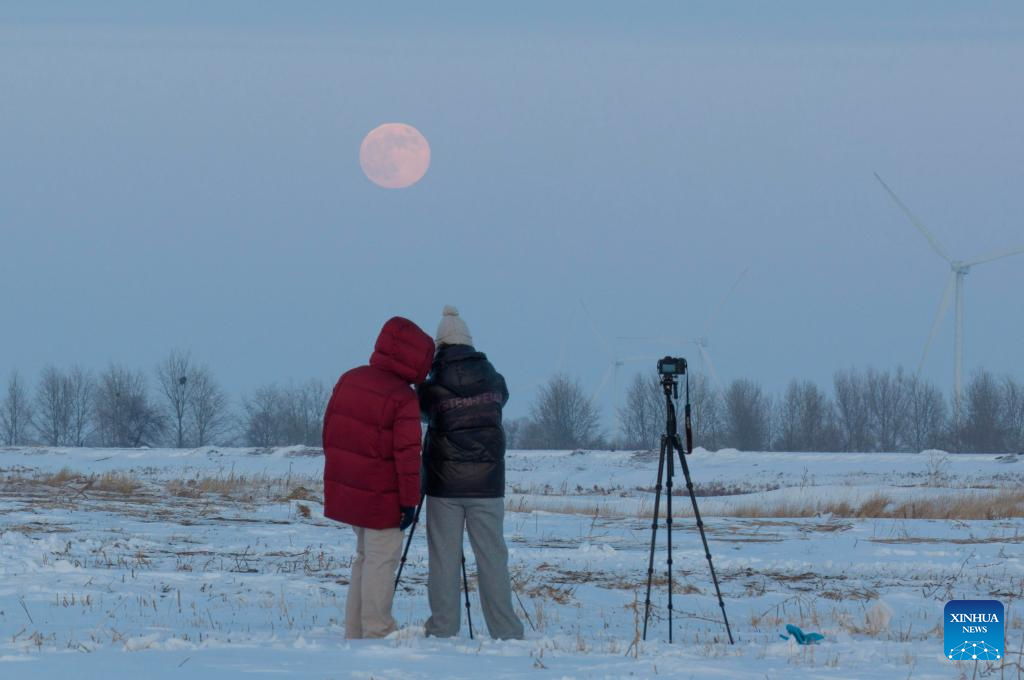
This drone photo taken on Jan. 3, 2026 shows the moon over Fujin City, northeast China’s Heilongjiang Province. The first super moon of 2026, when the full moon coincides with its closest approach to Earth in its elliptical orbit, resulting in a larger and brighter apparent size, showed in the sky on Saturday. (Photo by Geng Xiqing/Xinhua)
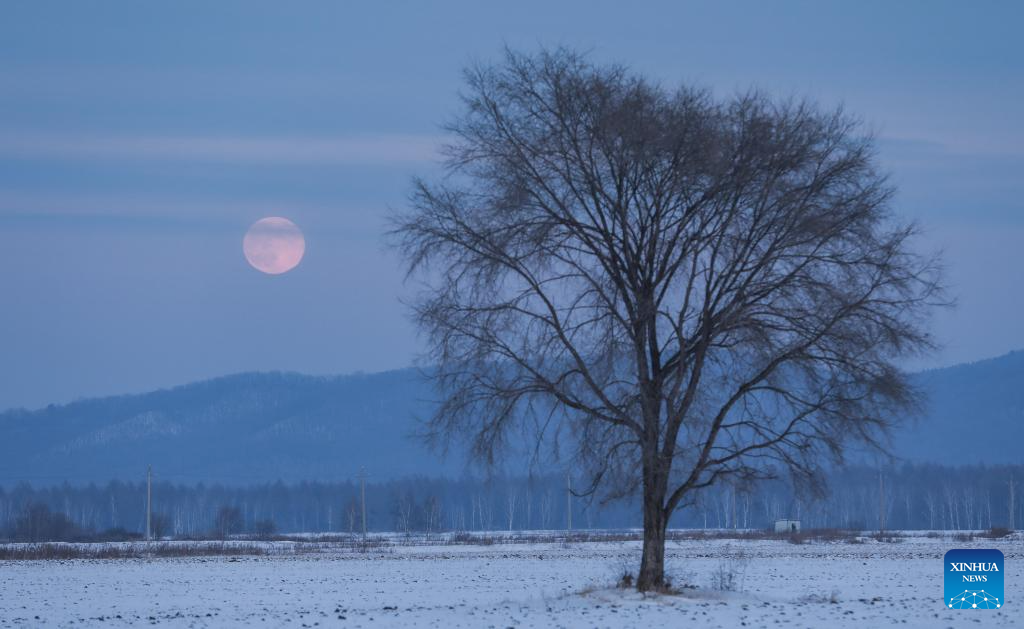
This photo taken on Jan. 3, 2026 shows the moon over Yimei District of Yichun, northeast China’s Heilongjiang Province. Residents and local tourism authorities organized night-time viewing activities as the first super moon of 2026 bathed the snow-covered district in bright light. (Photo by Li Jiaxing/Xinhua)
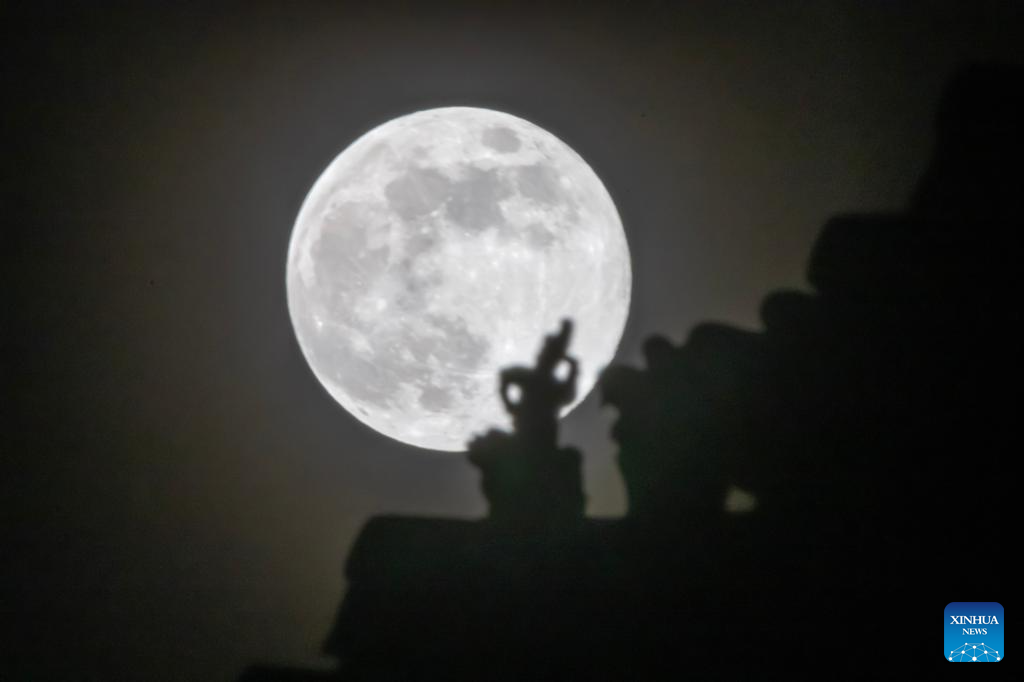
This photo taken on Jan. 3, 2026 shows the moon over Qiqihar City, northeast China’s Heilongjiang Province. Across the province, meteorological and cultural departments used the supermoon to promote public engagement with astronomy and winter tourism. (Photo by Wang Yonggang/Xinhua)
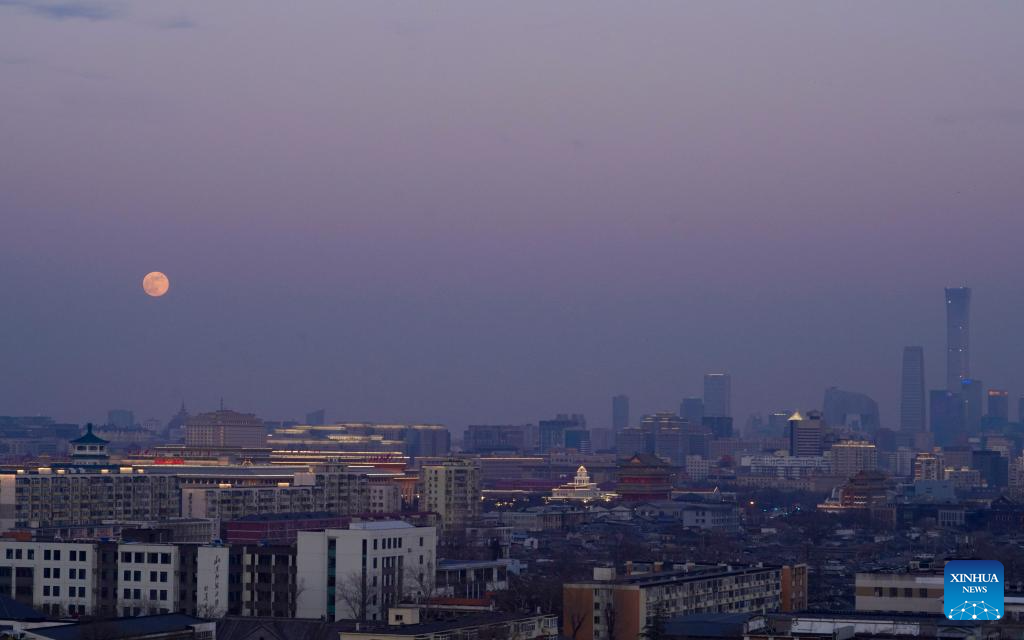
This photo taken on Jan. 3, 2026 shows the moon over Beijing, capital of China. Against the city’s modern skyline, the first super moon of 2026 drew crowds to parks and riverside promenades, supported by municipal advisories from space and weather agencies encouraging safe, low-light viewing. (Xinhua/Du Juanjuan)
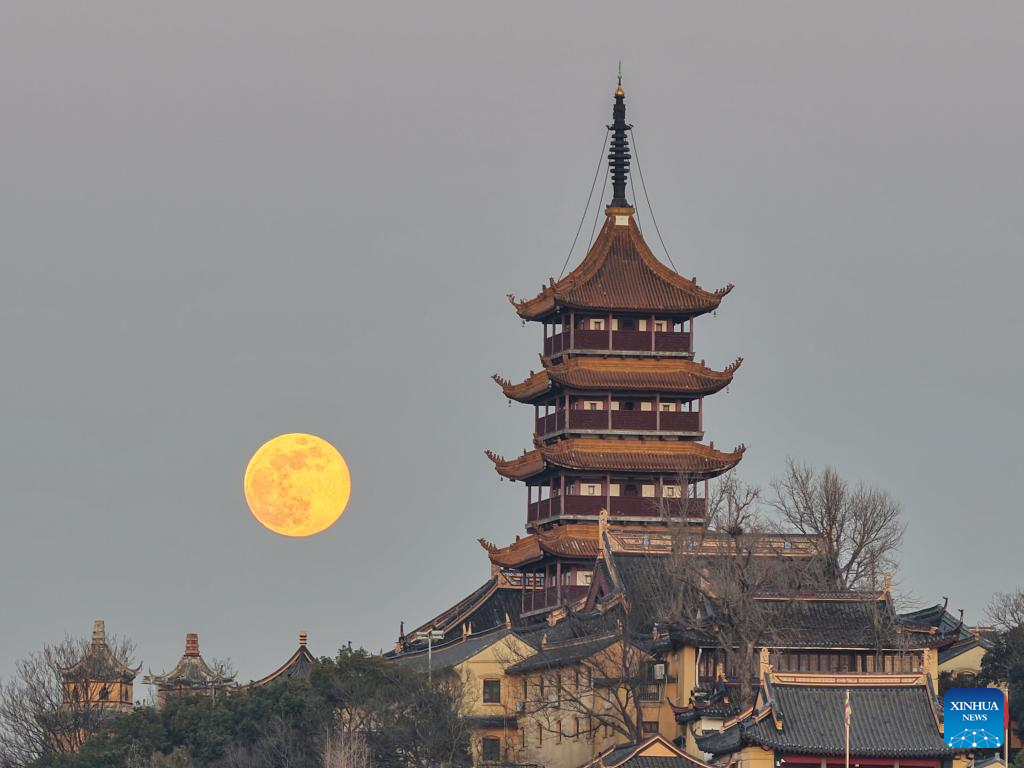
This drone photo taken on Jan. 3, 2026 shows the moon over Nantong City, east China’s Jiangsu Province. Local authorities highlighted the supermoon on official social media channels as part of broader efforts to promote civic use of public waterfront spaces at night. (Photo by Xu Congjun/Xinhua)
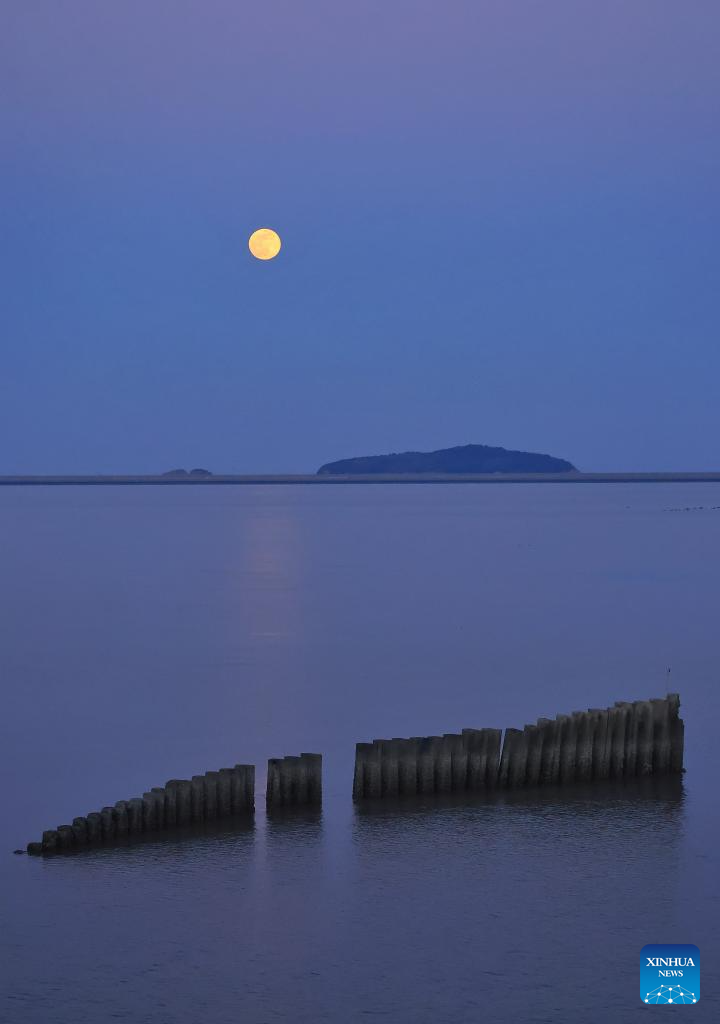
This photo taken on Jan. 3, 2026 shows the moon over Zhoushan City, east China’s Zhejiang Province. Fishing ports and coastal neighborhoods were illuminated as the supermoon rose above the East China Sea. (Photo by Xing Shoumiao/Xinhua)
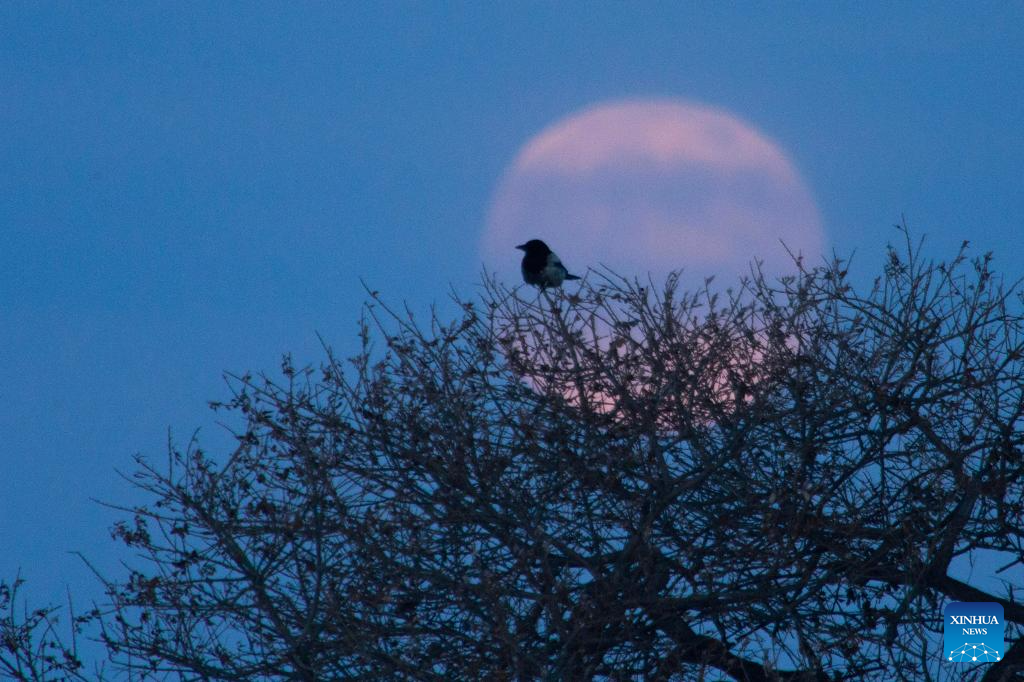
This photo taken on Jan. 3, 2026 shows the moon over Fujin City, northeast China’s Heilongjiang Province. The clear winter sky allowed residents a vivid view of the first super moon of the year. (Photo by Qu Yubao/Xinhua)
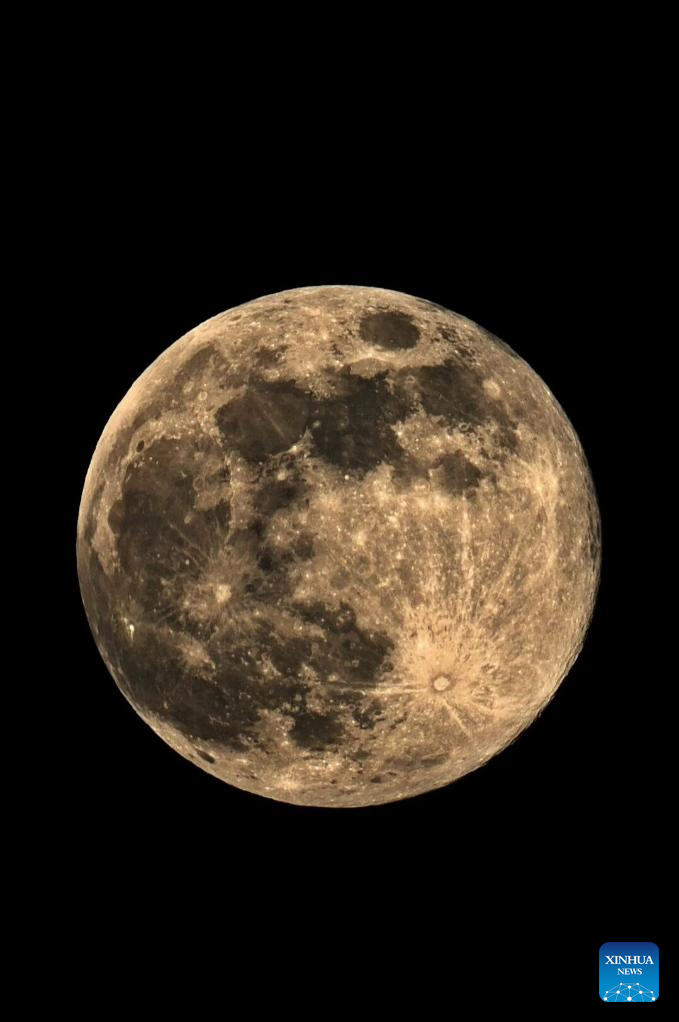
This photo taken on Jan. 3, 2026 shows the moon over Beijing, capital of China. The supermoon’s heightened brightness provided a dramatic backdrop to the city’s urban infrastructure and historic districts alike. (Xinhua/Xing Guangli)
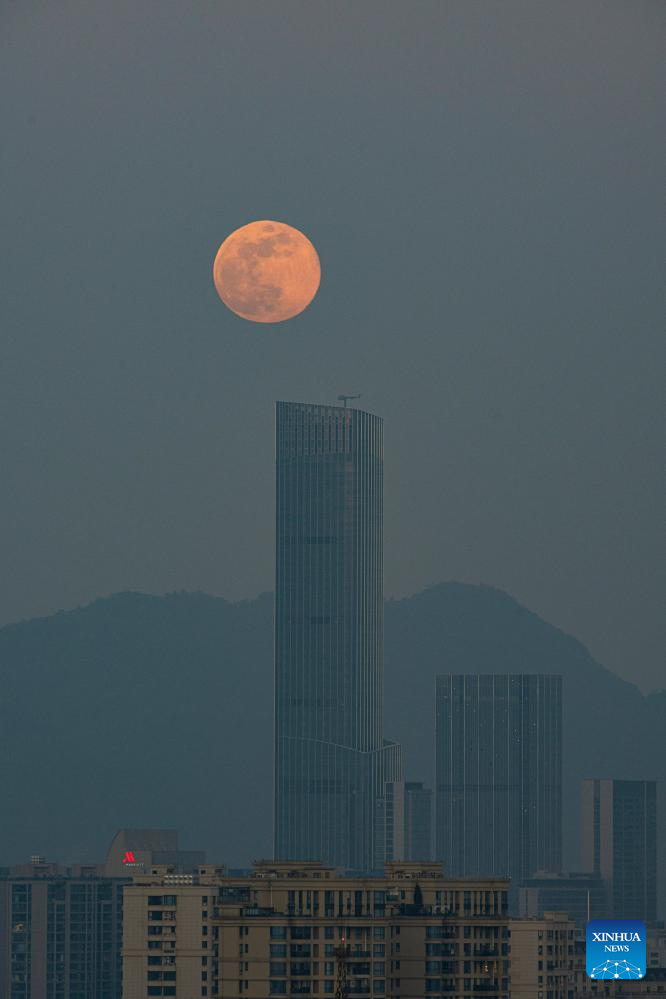
This photo taken on Jan. 3, 2026 shows the moon over Wenzhou City, east China’s Zhejiang Province. Residents gathered along rivers and hillsides to photograph the unusually bright lunar disc. (Photo by Su Qiaojiang/Xinhua)
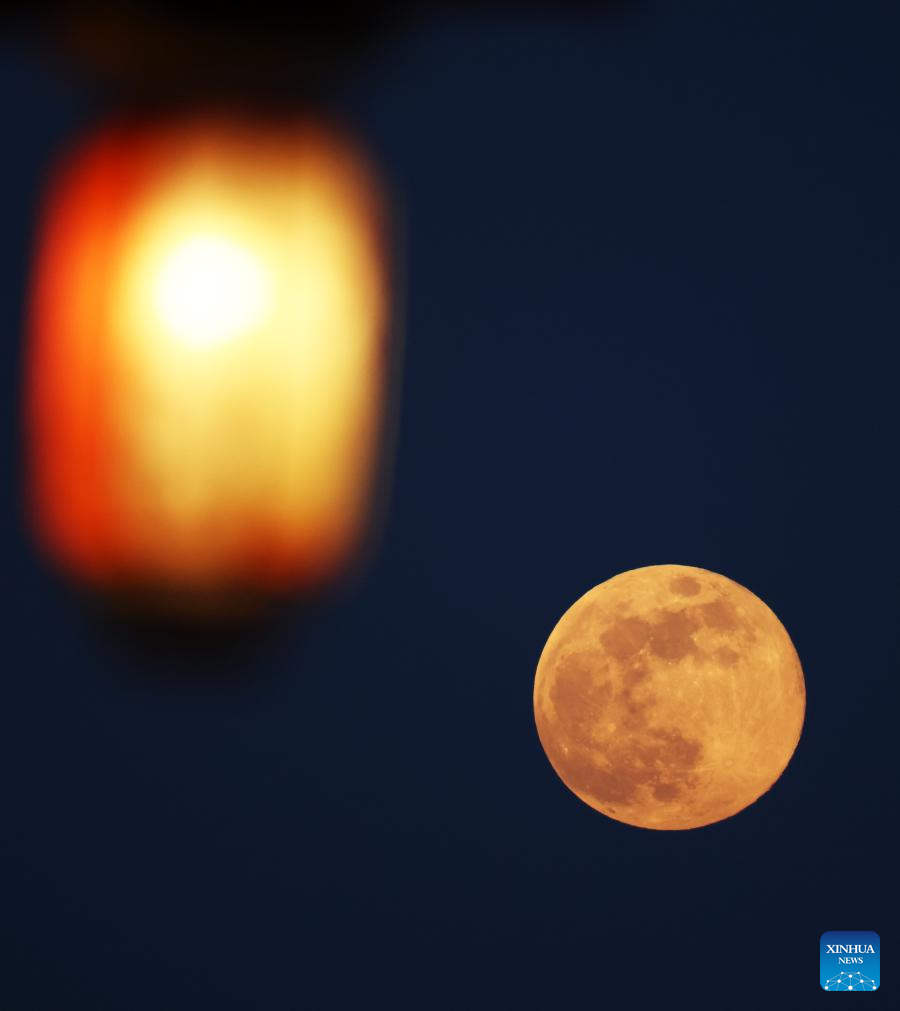
This photo taken on Jan. 3, 2026 shows the moon over Tancheng County of Linyi, east China’s Shandong Province. Rural and county-level governments used the occasion to spotlight local cultural sites under the glow of the supermoon. (Photo by Zhang Chunlei/Xinhua)
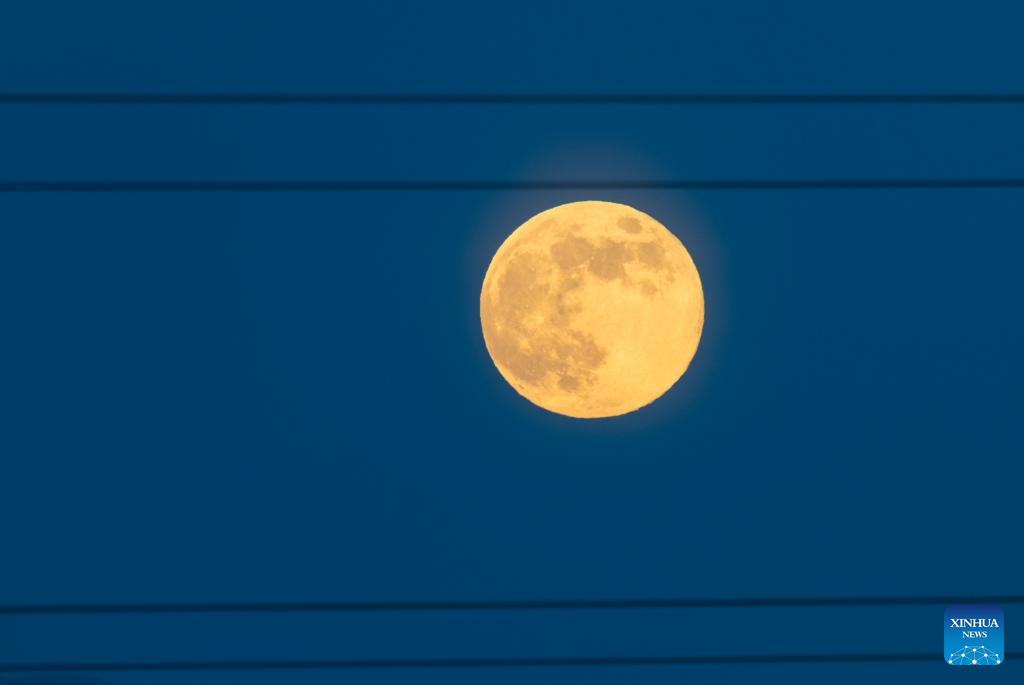
This drone photo taken on Jan. 3, 2026 shows the moon over Shuangyashan City, northeast China’s Heilongjiang Province. The city’s grid of winter-lit streets contrasted with the bright orb overhead. (Photo by Han Yang/Xinhua)

This photo taken on Jan. 3, 2026 shows the moon over Jiayin County, Yichun City, northeast China’s Heilongjiang Province. The supermoon illuminated the county’s forests and rivers along the Sino-Russian border. (Photo by Li Shaojun/Xinhua)
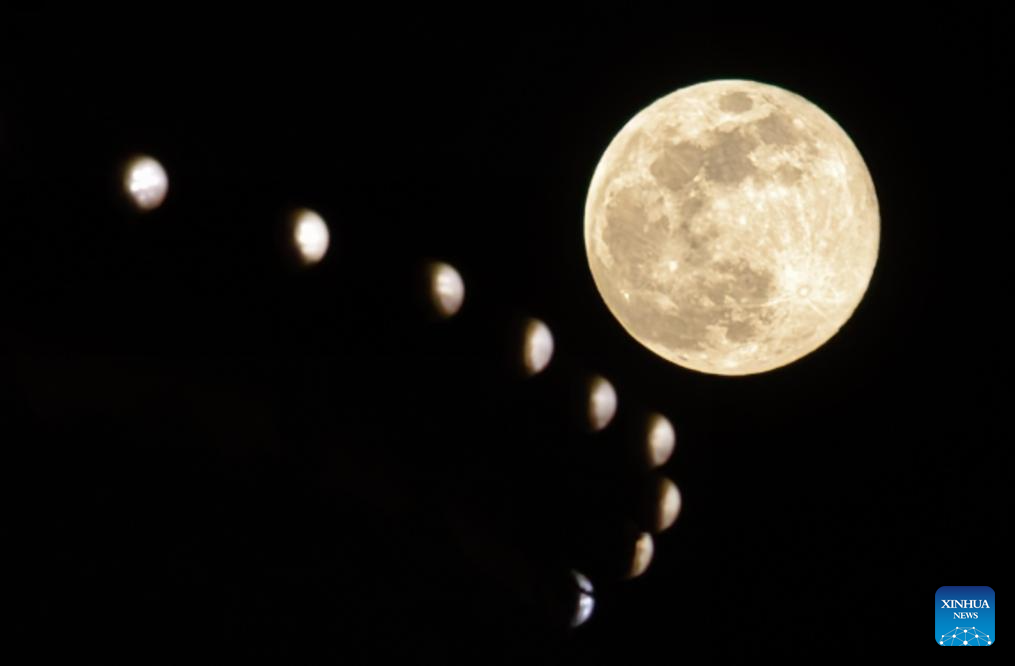
This photo taken on Jan. 3, 2026 shows the moon over Yangzhou City, east China’s Jiangsu Province. The historic canals and classical gardens of Yangzhou took on a silver sheen under the moonlight. (Photo by Meng Delong/Xinhua)
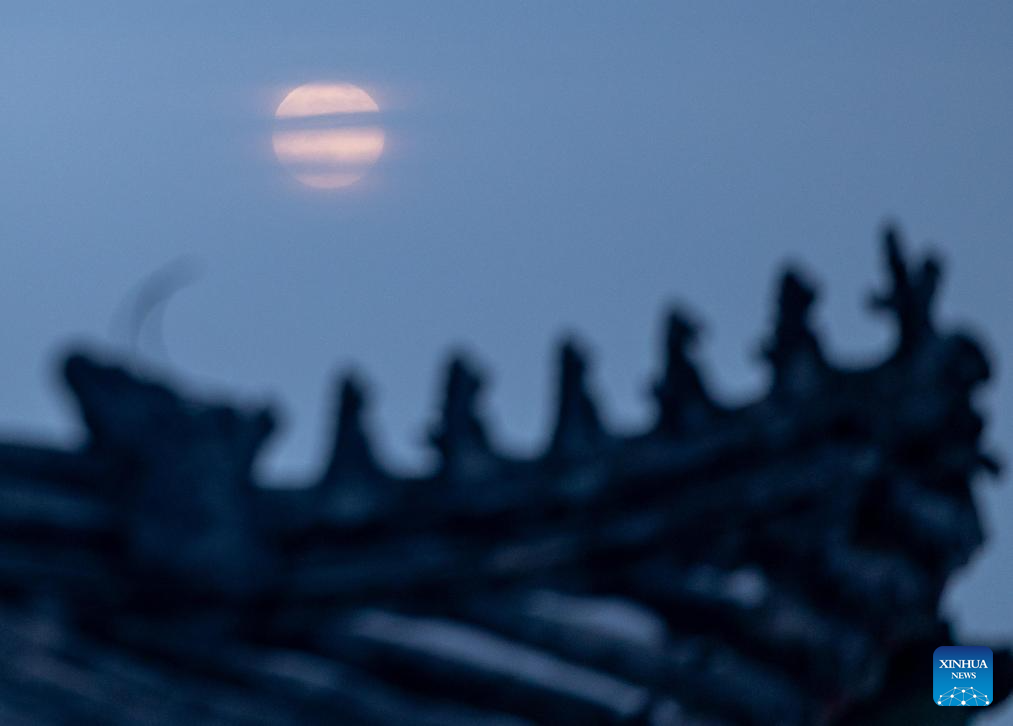
This photo taken on Jan. 3, 2026 shows the moon over Jiamusi City, northeast China’s Heilongjiang Province. Public squares and riverside walkways hosted informal viewing gatherings as temperatures dropped well below freezing. (Photo by Chen Zhiguo/Xinhua)
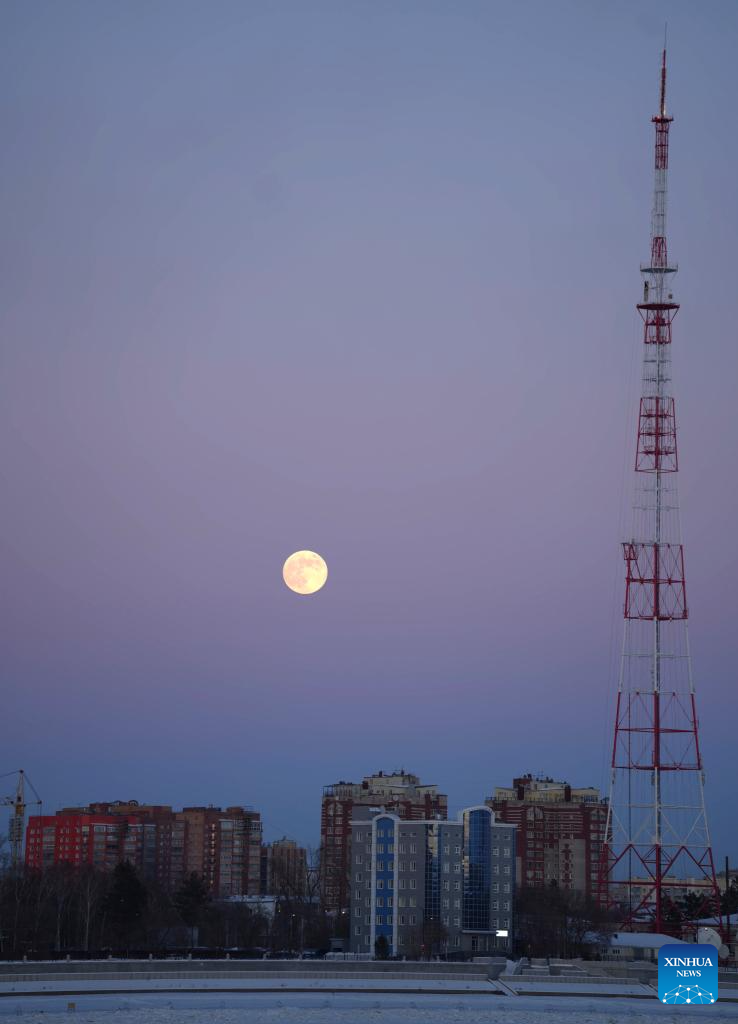
This photo taken on Jan. 3, 2026 shows the moon over Heihe City, northeast China’s Heilongjiang Province. The supermoon hovered above border bridges and rivers that connect local communities with Russia. (Photo by Ma Yong/Xinhua)
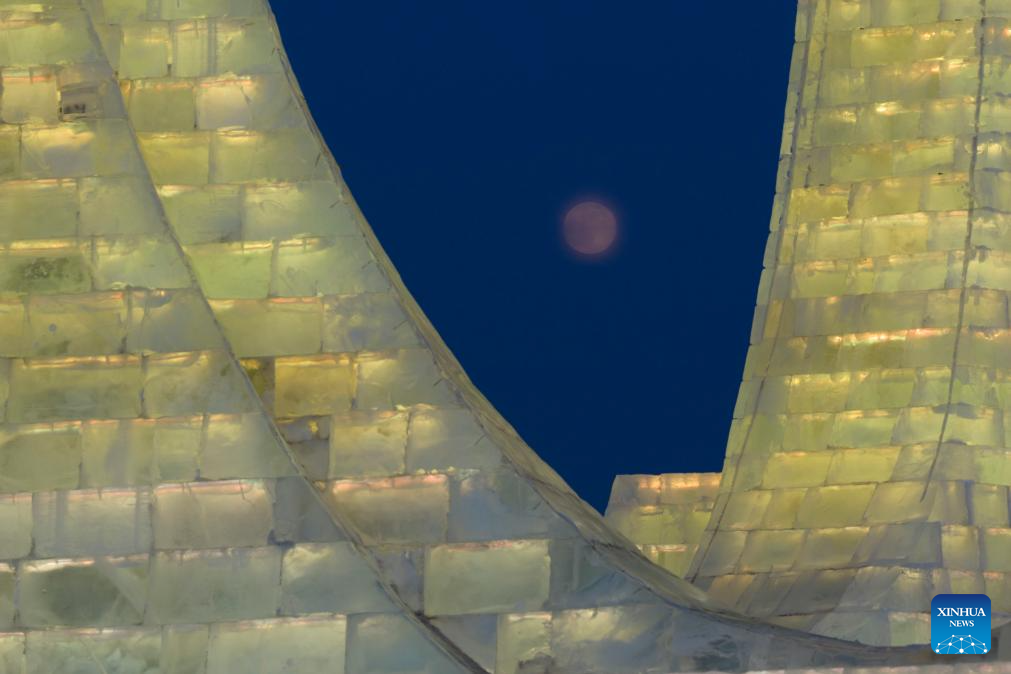
This drone photo taken on Jan. 3, 2026 shows the moon over Harbin City, northeast China’s Heilongjiang Province. The supermoon brightened the skyline of the provincial capital, known for its winter ice festival and cross-border trade links. (Xinhua/Zhang Tao)
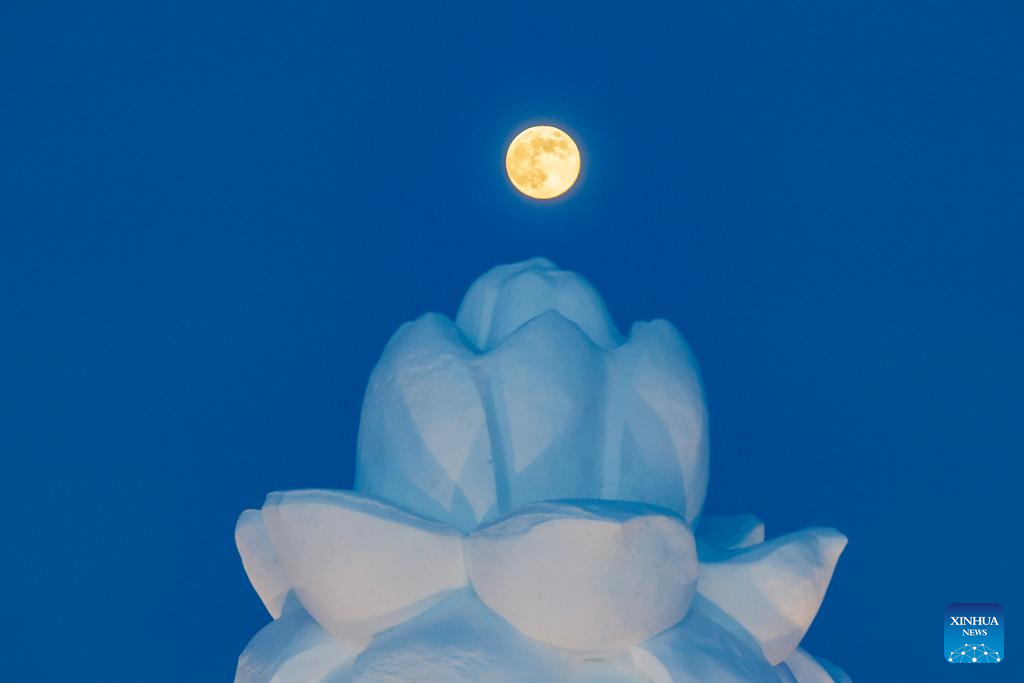
This photo taken on Jan. 3, 2026 shows the moon over Jiayin County, Yichun City, northeast China’s Heilongjiang Province. With limited light pollution, the county offered some of the clearest views of the lunar disc and accompanying meteors. (Photo by Li Shaojun/Xinhua)
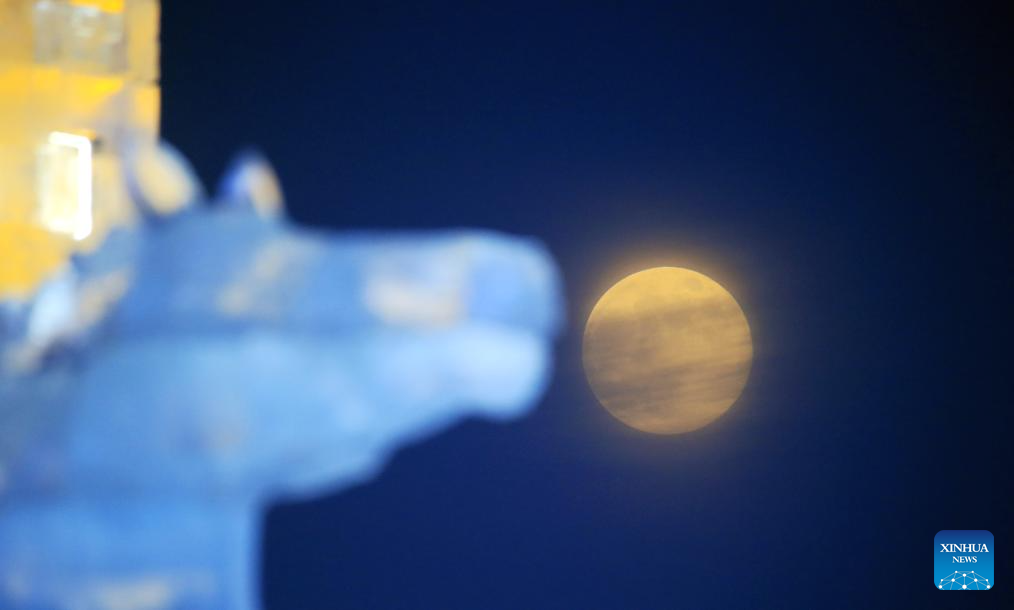
This photo taken on Jan. 3, 2026 shows the moon over the Ice-Snow World in Harbin City, northeast China’s Heilongjiang Province. The supermoon crowned vast temporary ice structures that draw millions of visitors each winter, underscoring how natural events are increasingly woven into local tourism planning. (Photo by Zhang Shu/Xinhua)
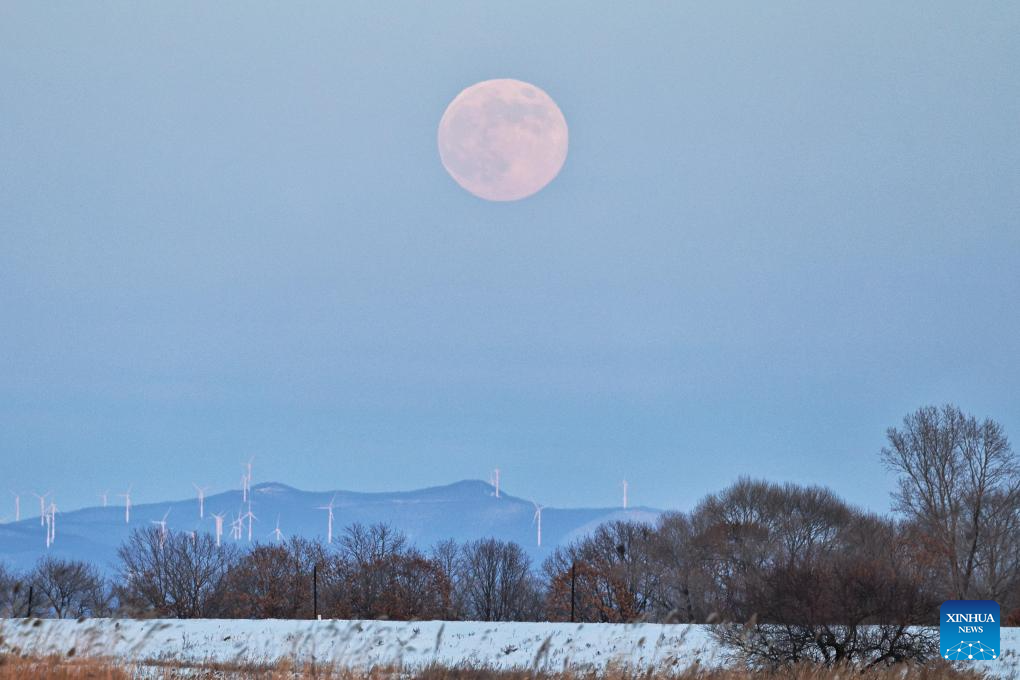
This photo taken on Jan. 3, 2026 shows the moon over Tongjiang City, northeast China’s Heilongjiang Province. The bright full moon reflected off the frozen surfaces of local rivers, adding to the region’s winter scenery. (Photo by Liu Wanping/Xinhua)
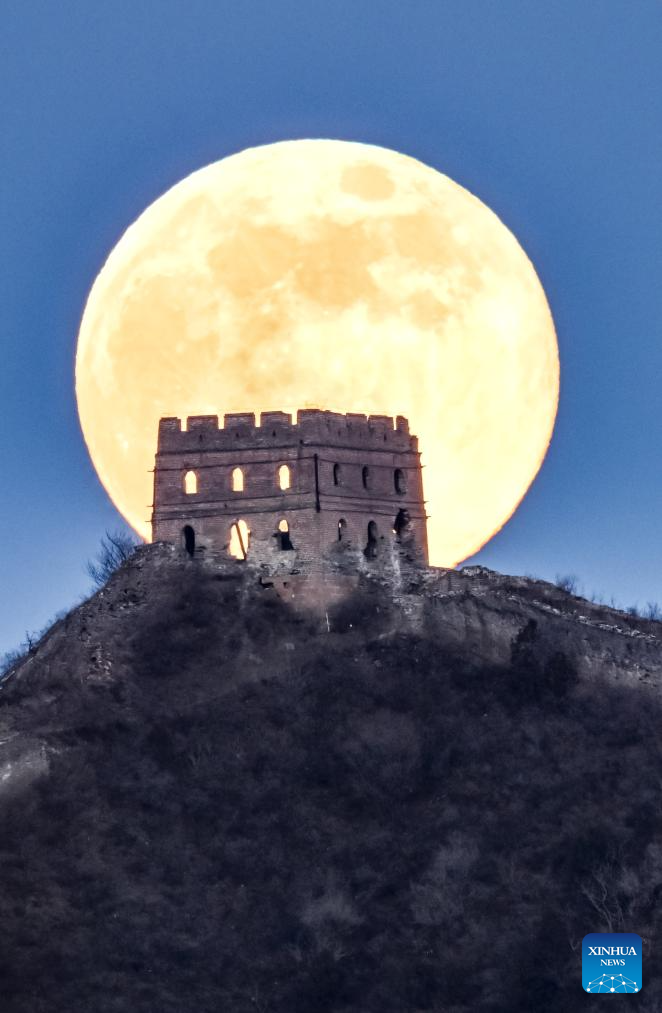
This photo taken on Jan. 3, 2026 shows the moon over the Panlongshan section of the Gubeikou Great Wall in Beijing, capital of China. The alignment of the supermoon with one of China’s most iconic heritage sites was used by cultural authorities to promote conservation and off-peak visitation. (Xinhua/Chen Yehua)
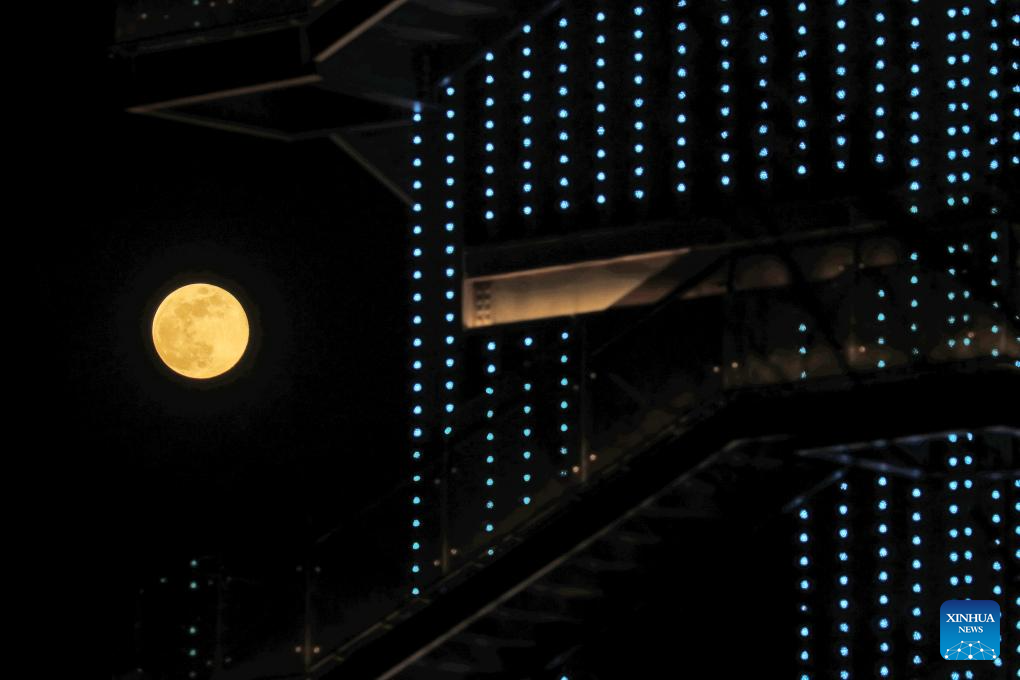
This photo taken on Jan. 3, 2026 shows the moon over Hai’an City, east China’s Jiangsu Province. The supermoon rose above industrial facilities and residential quarters alike, a reminder of how celestial events are visible across economic and social divides. (Photo by Gu Binbin/Xinhua)
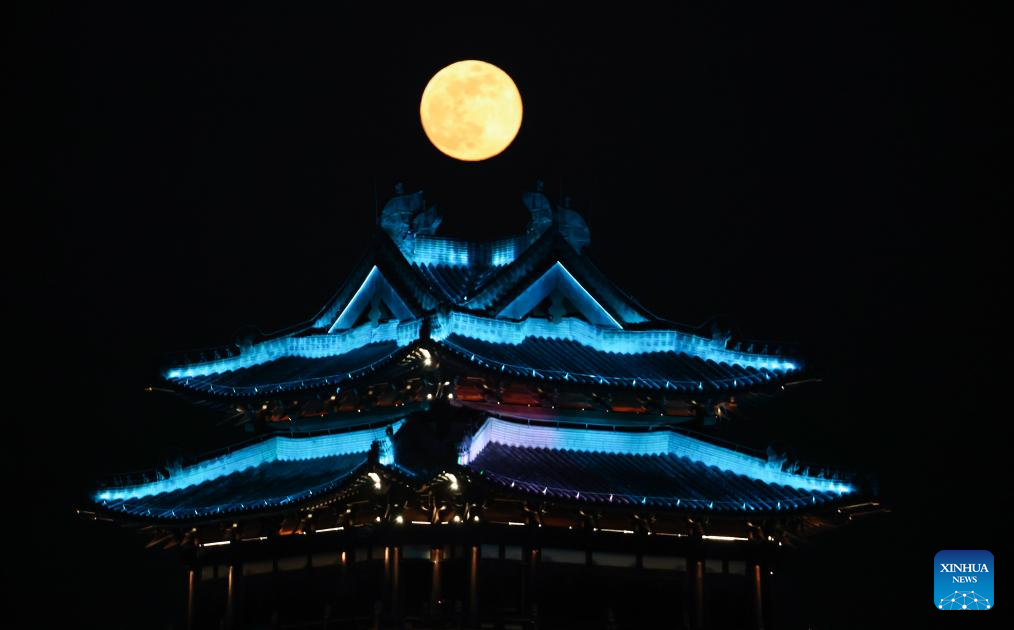
This photo taken on Jan. 3, 2026 shows the moon over Lianyungang City, east China’s Jiangsu Province. Port infrastructure, residential towers and coastal hills were all silhouetted beneath the first supermoon of the year. (Photo by Wang Jianmin/Xinhua)
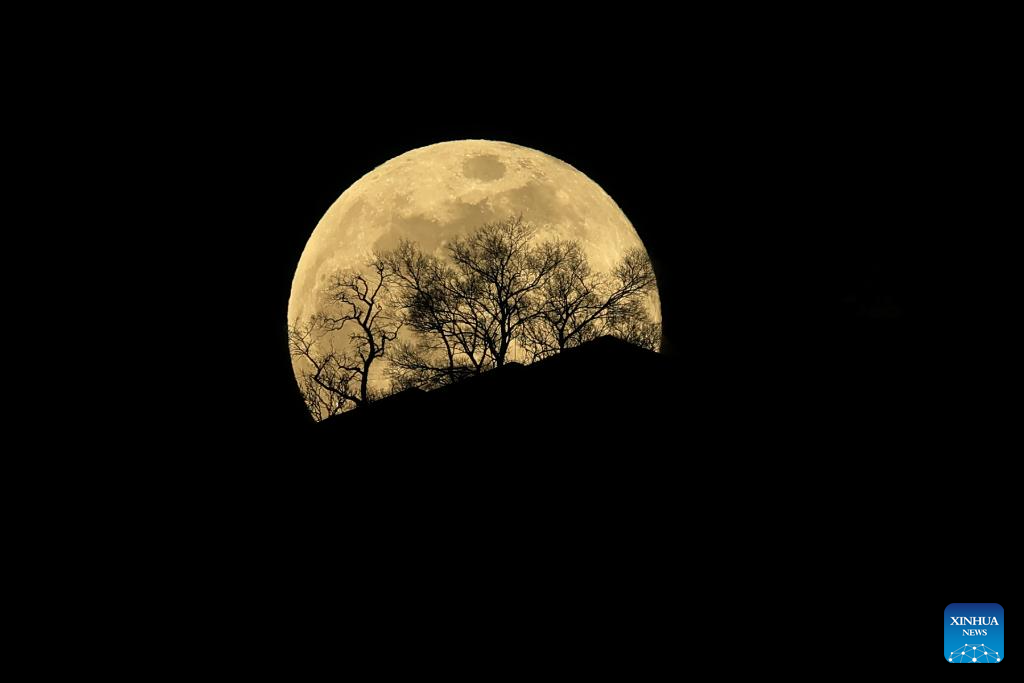
This photo taken on Jan. 3, 2026 shows the moon over Nanjing City, east China’s Jiangsu Province. Above the provincial capital’s bridges and rivers, the first super moon of 2026, characterized by the moon’s unusually close proximity to Earth and a larger, brighter appearance, showed in the sky on Saturday. (Photo by Su Yang/Xinhua)
