

FA Cup fourth round simulation throws up City-Arsenal blockbuster as giant-killers await next test
With the third round wrapped after a weekend of shocks, GlobalHeadlinez ran a simulated draw for the FA Cup fourth round to gauge the potential storylines before the official bracket was confirmed. Using a randomised bracket model similar to publicly available cup-draw simulators, the exercise served up a heavyweight tie between Manchester City and Arsenal, while non-league sensation Macclesfield were paired with Championship opposition. As ever in this competition, jeopardy is the headline act.
Third-round shocks frame the conversation
The context matters. The FA Cup’s unique cross‑tier format, administered by The Football Association under competition rules that guarantee entry points from the Premier League down to the lower non-league tiers, again exposed top-flight clubs to risk-and several paid a price between January 9 and January 11, 2026.
- Friday, January 9: Wrexham defeated Nottingham Forest on penalties at the Racecourse Ground to reach the last 32.
- Saturday, January 10: Macclesfield FC, a sixth‑tier side, beat defending champions Crystal Palace 2-1, with Paul Dawson and Isaac Buckley‑Ricketts on the scoresheet in a result separated by 117 places in the pyramid.
- Saturday, January 10: Manchester City overpowered Exeter City 10-1 at the Etihad Stadium, underlining the gap in resources when a full-strength Premier League squad meets League One opposition.
- Sunday, January 11: Brighton & Hove Albion eliminated Manchester United 2-1 at Old Trafford to deepen scrutiny on United’s domestic campaign.
Macclesfield FC are in the fourth round of the FA Cup. Image: Getty
What a City-Arsenal pairing would mean
Our simulation sent Arsenal to the Etihad Stadium. For the Gunners, an early‑round trip to a side that just scored ten in the competition changes squad‑management calculations at a congested point in the season, with rotation, youth involvement and injury‑risk decisions brought forward by at least one round. For City, a fourth‑round meeting with an elite rival compresses risk into January: one misstep and a direct route to European qualification via the Cup narrows, putting more pressure back on league and continental fixtures.
An all‑Premier League clash at this stage also reshapes the wider bracket by removing one contender early, potentially opening a lane for sides outside the traditional top six to target a quarter‑final. For executives and sporting directors at both clubs, a tie of this magnitude can influence short‑term transfer and loan decisions-particularly around squad depth in positions where fixture congestion is most acute.
Giant‑killers and the financial reality
Macclesfield’s reward in our model was an away tie at Leicester City. For lower‑tier clubs, road trips to larger grounds can be as significant financially as they are competitively, with shared matchday revenues and a larger broadcast footprint offering rare mid‑season uplift. In a competition where prize money and TV fees are distributed according to rounds reached and matches selected, a single televised fixture can underwrite infrastructure projects or wage bills that would otherwise be out of reach.
Wrexham’s simulated visit to Burnley would carry similar dynamics: a high‑profile stage, but also a tactical step up against deeper squads schooled in managing knockout minutes. For club boards operating on narrow margins, these ties are not just sporting milestones; they are governance decisions in real time-how much of a windfall to reinvest in playing staff versus facilities, and whether to prioritise Cup momentum over league stability.
Administrative and scheduling notes
The fourth round features 32 teams and remains a straight knockout, governed by competition rules set by the national association and informed by the overarching calendar agreed between the Football Association, leagues and broadcasters. Ties are scheduled across a broadcast window that must balance policing requirements, local authority input and international television slots, turning what looks like a simple draw into a complex operational puzzle.
The official fourth‑round draw was staged at Anfield before Liverpool’s third‑round meeting with Barnsley on Monday, January 12, with club representatives and broadcast partners in attendance. Regardless of the final pairings produced there, the bracket integrity after an upset‑heavy weekend ensures at least one pathway to the latter stages will be navigable for an outsider-something the governing body is keen to protect as a hallmark of the competition’s public value.
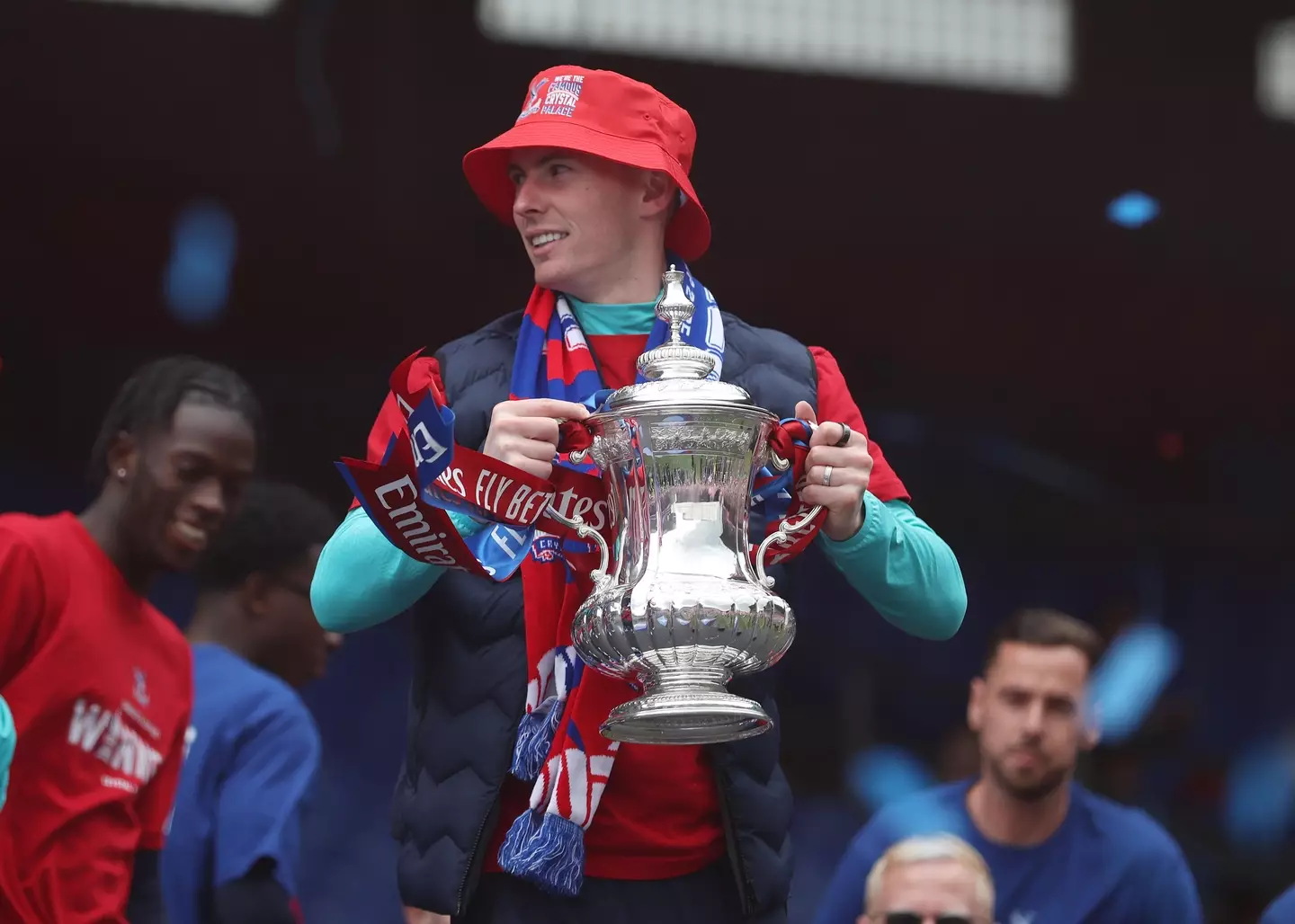
Holders Crystal Palace are out of the FA Cup. Image: Getty
Simulated fourth‑round draw
- Wolverhampton Wanderers vs Grimsby Town
- Chelsea vs Stoke City
- Port Vale vs Fulham
- Manchester City vs Arsenal
- Aston Villa vs Oxford United
- Burnley vs Wrexham
- Brentford vs Burton Albion
- Leicester City vs Macclesfield
- Liverpool/Barnsley vs Bristol City
- West Ham United vs Salford City/Swindon Town
- Ipswich Town vs Hull City
- Mansfield Town vs Norwich City
- Southampton vs Birmingham City
- Newcastle United vs West Bromwich Albion
- Leeds United vs Sunderland
- Brighton & Hove Albion vs Wigan Athletic
Competitive implications
This simulated bracket compresses top-end risk early and gives several lower‑league clubs realistic routes to the last 16. Beyond silverware, the FA Cup remains a pathway to European competition; a strong run can recalibrate priorities for teams balancing domestic aims with continental qualification and, in some cases, can shape how club owners and boards judge the success of a season.
For clubs outside the Premier League, the exposure, shared gate receipts and incremental broadcast attention can be transformative across a single‑season budget, reinforcing the FA Cup’s role as both a sporting institution and a soft‑power platform for towns and cities looking to project themselves on a national stage. However the confirmed draw shakes out, the third round’s pattern-elite sides under pressure away from routine-has already reset expectations for the remainder of this year’s competition and ensured that strategic decisions from dugout to boardroom will be made with the Cup very much in mind.
Related reading
- Nathan Buckley Emerges as Key Figure in AFL Coaching Shake-Up Amid Lions’ Search for Fagan Successor
- New Zealand Kiwis Unveil Strong Rugby League World Cup Squad Featuring Ponga, Gagai, and Key Debutants
- Two Iranian nationals charged with terror plot targeting Manchester Jewish community (globallypulse.com)
