
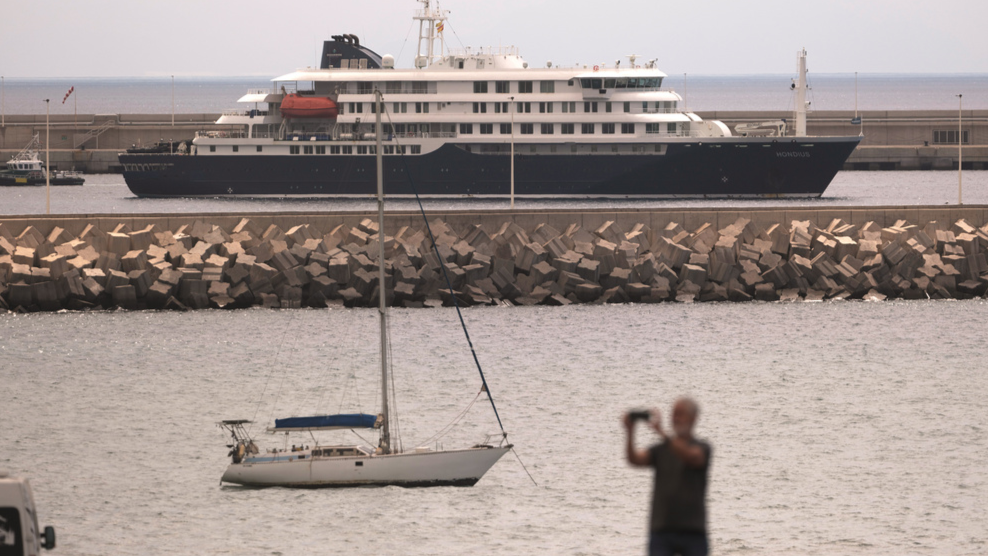
The evacuation of the MV Hondius from the port of Granadilla de Abona in Tenerife marks the conclusion of a high-stakes public health operation involving multiple national governments and international health bodies. The luxury polar expedition ship, which had become a floating center for a rare viral outbreak, departed for the Netherlands on Monday after the final group of passengers and crew were transferred to repatriation flights.
The operation required a coordinated effort between Spanish health authorities, the Dutch Foreign Ministry, and the World Health Organization (WHO) to manage the movement of individuals from 23 different countries while mitigating the risk of further transmission of the Andes strain of hantavirus. Spanish officials stressed that the response had to balance public health protection in receiving countries with legal obligations under the International Health Regulations, which require states to control cross-border health threats while avoiding unnecessary interference with travel and trade.
“Mission accomplished; we’ve just wrapped up the operation and the ship has just set sail,” Spanish Health Minister Monica Garcia said, describing the evacuation as a test of Spain’s emergency preparedness framework and its capacity to act as a regional coordination hub.
Outbreak Metrics and Clinical Outcomes
The outbreak on the MV Hondius is particularly significant due to the specific strain of the virus involved. While most hantaviruses are zoonotic-transmitted from rodents to humans-the Andes strain is recognized in public health literature for its rare ability to spread via person-to-person contact, necessitating more stringent containment measures and closer international notification than is typical for sporadic hantavirus cases.
| Category | Status/Count |
|---|---|
| Confirmed Andes Strain Cases | 7 |
| Suspected Cases | 2 (including one death prior to testing) |
| Fatalities | 3 (one German national, one Dutch couple) |
| Total Evacuated/Repatriated | 94 |
| Recommended Quarantine Period | 42 days |
The clinical progression of the outbreak varied among the passengers, complicating on-the-ground decision-making about who could safely travel and when. A French passenger who tested positive after docking in the Canary Islands was reported by French Health Minister Stephanie Rist to be in deteriorating condition. Meanwhile, other cases, including one Spanish national in a Madrid military hospital and one American citizen, presented as mildly positive or asymptomatic, underscoring the challenge for authorities in communicating risk without overstating the likelihood of severe disease for all exposed individuals.
Timeline of Containment and Response
The management of the MV Hondius highlights the practical application-and limits-of the International Health Regulations, which govern how ships and aircraft report and manage public health emergencies to prevent international spread. Once the first suspected cases were identified off the vessel, every port call and overflight became a matter not just of logistics but of diplomatic clearance.
- Initial Departure: The ship set sail from southern Argentina 41 days prior to the Tenerife evacuation, at the tail end of the austral summer expedition season.
- First Fatality: A Dutch passenger died approximately three weeks before the outbreak was officially detected by health officials, triggering retrospective tracing of close contacts on and off the ship.
- Official Detection: On May 2, health officials in Johannesburg identified the virus in a British man who had disembarked the ship, converting what had appeared to be isolated severe pneumonia into a suspected cluster.
- WHO Notification: A cluster of severe respiratory illnesses linked to the vessel was reported to WHO on May 2, prompting enhanced surveillance in countries along the ship’s route.
- Interim Disembarkation: Thirty-four passengers disembarked at various Atlantic islands before the ship proceeded to Cape Verde, adding complexity to contact tracing as national authorities in multiple jurisdictions were notified.
- Spanish Intervention: The ship arrived in the Canary Islands on May 6 following a WHO request for Spain to manage the final evacuation, with the Spanish government assuming operational lead for disembarkation, testing, and onward travel.
Systemic Challenges in Maritime Quarantine
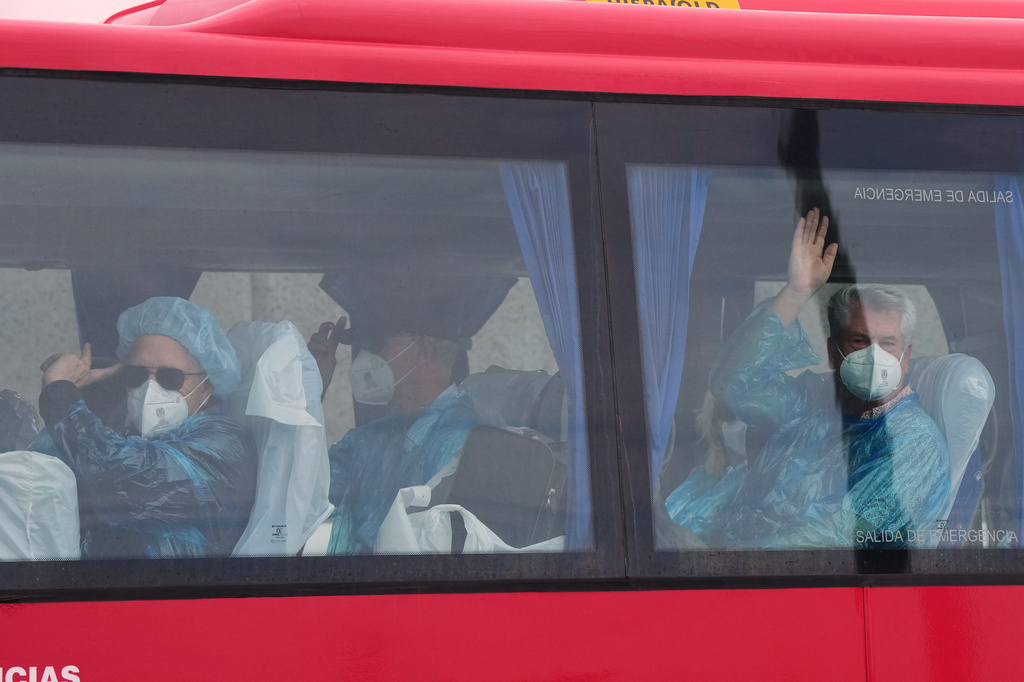
A critical point of contention in the operation was the decision to evacuate passengers rather than enforcing a strict on-board quarantine. In maritime health crises, authorities must weigh the infection-control benefits of keeping potentially exposed individuals contained against the psychological toll of prolonged confinement and the practical limits of medical capacity on board. Public health advisers noted that, after weeks at sea, continued isolation risked compounding health problems and provoking unrest.
World Health Organization Director-General Tedros Adhanom Ghebreyesus emphasized that the decision to move passengers to land-based facilities was a necessity for mental health preservation.
“There was even mental breakdown for some of the passengers. It’s very difficult to stay for weeks in a small container. This was the best and the only option we had,” Tedros said.
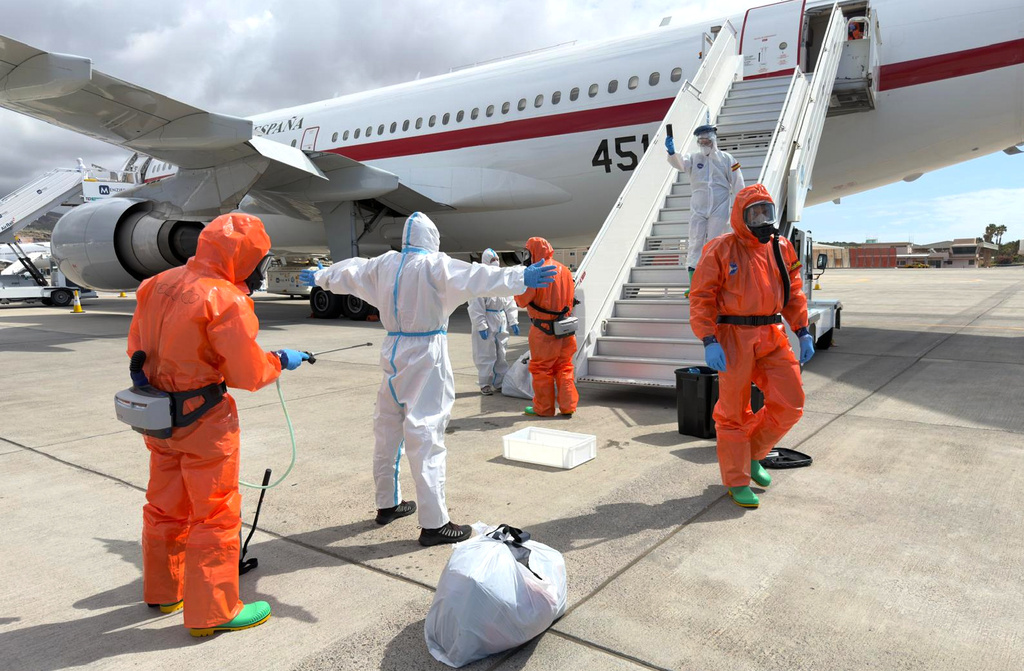
The logistics of this decision involved transferring passengers via bus to local airports and arranging repatriation flights to the Netherlands and Australia. This shift from ship-based isolation to land-based quarantine required significant institutional coordination: Spanish military hospitals were placed on standby, airport transit areas were temporarily reconfigured, and disinfection protocols were applied to vehicles, luggage, and high-touch areas to reassure both local residents and transit staff.
Population Risk and Global Health Outlook
Despite the severity of the Andes strain for the infected individuals, public health officials have moved to decouple this event from the broader fears associated with the COVID-19 pandemic. The primary distinction lies in the transmissibility; hantaviruses, including the Andes strain, do not possess the same pandemic potential as highly transmissible respiratory coronaviruses, and outbreaks have historically been contained through rapid identification of contacts and strict adherence to infection-prevention measures.
Gianfranco Spiteri, emergencies lead at the European Centre for Disease Prevention and Control, urged calm regarding the general public’s risk level.
“We know the virus. We can prevent further onward transmission. We’re not expecting a new pandemic from this,” he said, framing the Hondius episode as a stress test of post-COVID surveillance systems rather than the beginning of a new global emergency.
The ship’s captain, Jan Dobrogowski, acknowledged the tension of the journey in a video posted by Oceanwide Expeditions, noting the resilience of those on board: “I could not imagine sailing through these circumstances with a better group of people, guests and crew alike.” For governments and health agencies, however, the legacy of the voyage is likely to be more procedural than emotional, feeding into ongoing reviews of how cruise operators, port states, and international bodies share data and take decisions when the next health alert appears offshore.

Related reading
