
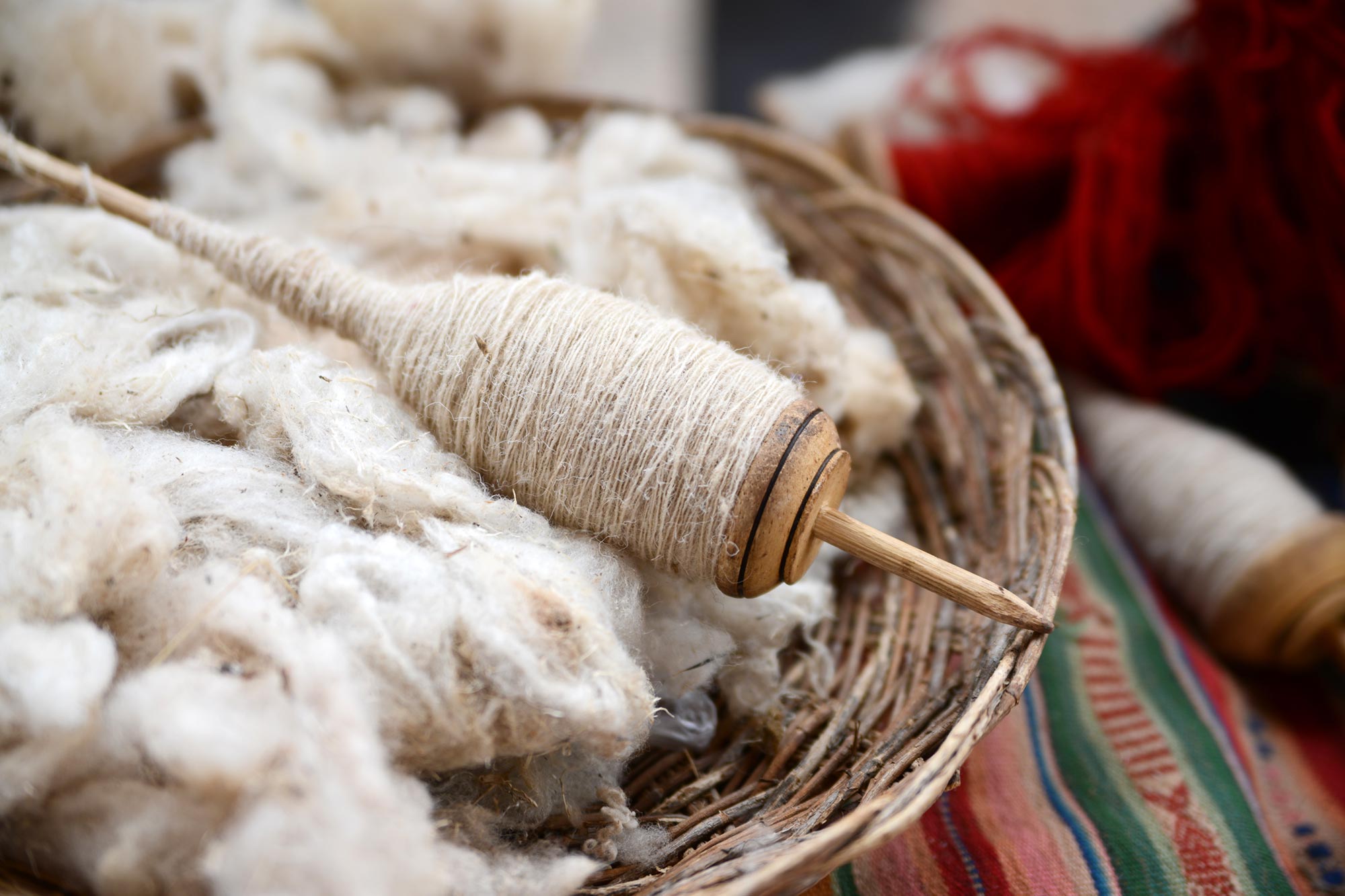
The field of regenerative medicine is seeing a pivot toward sustainable biomaterials as the limitations of traditional scaffolds become more apparent. A breakthrough in keratin extraction from wool is challenging the industry’s reliance on collagen, offering a more stable and structurally organized approach to repairing bone tissue in living systems and, ultimately, patients.
Research conducted at King’s College London has demonstrated that wool-derived keratin can effectively guide new bone growth across critical defects. This discovery moves beyond theoretical material science, as the protein has been successfully tested in animal models to facilitate organized bone repair in defects designed not to heal on their own.
“We are really excited to show for the first time how a wool-based material has been successfully tested in a living animal to repair bones,” said Dr. Sherif Elsharkawy at King’s Faculty of Dentistry, Oral & Craniofacial Sciences. “It opens the door to using an abundant natural resource to meet a growing clinical need.”
Comparative Analysis of Bone Scaffolds
For decades, collagen has served as the gold standard for regenerative membranes used in dental, maxillofacial, and orthopedic surgery, acting as a protective barrier to prevent soft tissue infiltration during the healing process. However, collagen often lacks the mechanical durability required for load-bearing or high-stress areas and tends to degrade rapidly within the biological environment, sometimes before new bone has fully consolidated.
The transition to keratin-based membranes is designed to address these structural deficits. While collagen may produce a higher volume of bone in some models, keratin-derived scaffolds appear to favor tissue that is more architecturally sound, with fiber orientation and mineral organization that more closely resemble natural bone morphology.
| Feature | Collagen-Based Scaffolds | Keratin-Based Scaffolds |
|---|---|---|
| Structural Stability | Low; prone to rapid degradation | High; durable and stable throughout healing |
| Tissue Organization | Less organized fiber alignment | Highly organized, closer to natural bone alignment |
| Production Cost | High, with complex medical-grade extraction | Lower; scalable from agricultural wool waste |
| Bone Volume | Higher overall quantity | Optimized for structural quality and function |
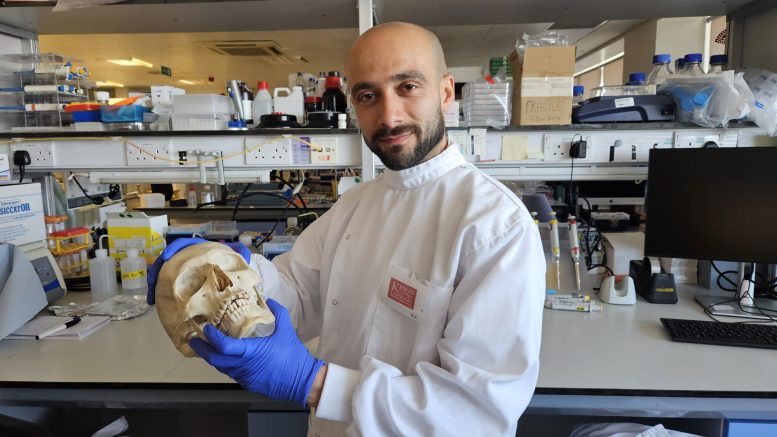
“From a research perspective, this is a major milestone. It positions keratin as a potential new class of regenerative biomaterial that could challenge the long-standing reliance on collagen,” said Elsharkawy. “The question now is how quickly we can translate these findings into rigorously regulated clinical products.”
Circular Economy in Medical Infrastructure
The adoption of wool-derived keratin aligns with a broader shift toward circular economy principles within the medical device industry, where regulators are increasingly scrutinizing both safety profiles and lifecycle impacts of materials. By utilizing wool-a byproduct of the farming industry that is frequently discarded as low-value waste-manufacturers can create a renewable and more resilient supply chain for critical biomaterials.
This approach reduces dependency on expensive and technically demanding extraction processes associated with medical-grade collagen, which often rely on animal tissues that are subject to tight quality controls and supply constraints. In health systems facing pressure to expand access to dental and orthopedic care while managing costs, lower input prices and more predictable sourcing could ultimately translate into more affordable implants, grafts, and barrier membranes for hospitals and patients.
Clinical Validation, Regulation, and Biological Integration
The validation process for these membranes involved a multi-stage testing protocol to ensure biocompatibility and efficacy before any move toward human trials or regulatory submissions:
- In Vitro Testing: Human bone cells were cultured on keratin membranes, confirming healthy growth, adhesion, and cellular proliferation.
- In Vivo Testing: The scaffolds were implanted into rat skull defects that were too large for natural healing, providing a stringent test of regenerative capacity.
- Structural Analysis: Post-healing assessments showed that the resulting bone exhibited superior fiber alignment and stability compared to collagen controls, indicating improved mechanical competence.
- Tissue Integration: The membranes demonstrated seamless blending with surrounding biological tissues without triggering adverse inflammatory or immune reactions in the models tested.
These results indicate that the material is not merely a laboratory concept but a viable clinical candidate, subject to future human trials and regulatory review. The ability of the scaffold to remain stable throughout the healing process is a critical requirement for human application, particularly in craniofacial and dental surgery, where implants must withstand chewing forces and long-term functional loading.
Any future keratin-based devices would have to meet existing medical device regulations governing biocompatibility, manufacturing quality, and post-market surveillance-for example, conformity with international standards such as ISO 10993 biocompatibility testing frameworks and, in the United States, review pathways overseen by the Food and Drug Administration’s medical device program. That regulatory scrutiny is likely to shape how quickly keratin migrates from preclinical promise to routine use in operating rooms.
“We’ve effectively demonstrated the technology in an animal model, which makes this much more than an early materials concept. It shows that keratin can support bone regeneration in a living biological system, bringing the technology significantly closer to use in real patients,” said Elsharkawy.
As the industry moves toward harmonized biocompatibility standards and more sustainable material sourcing, the durability and circular-economy profile of wool-derived keratin position it as a strategic alternative for the next generation of regenerative implants-one that could influence future procurement decisions by hospitals, insurers, and regulators alike.
Worth a look
