
DUBLIN — Irish holiday bookings accelerated in February 2026, with sales for the first 16 days up 13% on the same period a year earlier, according to Travel Counsellors Ireland. Managing Director Cathy Burke said the surge is translating from inquiries into confirmed trips, even as many customers target departures later in the year.
The figures point to strong demand despite unsettled weather at home and mixed signals for long‑haul travel. Agency data show the United States slipped 10% year‑on‑year in January bookings but has still ranked among the top three destinations so far in February, alongside Spain, including the Canary Islands, and a fast‑growing cruise market.
“The first two weeks in February are way up in sales,” said Managing Director Cathy Burke. “Sales were up 13% on the same 16 days last year.”
February spike and where Irish travellers are booking
Burke said persistent grey skies have been a factor in decision‑making, but many trips are not immediate departures. “It’s not necessarily people saying, ‘get me out of here, I want to go next week’. Everybody’s just so miserable looking out the window, you can’t even go for a walk,” she said. “All they want is sunshine and something to look forward to, so I do believe the weather’s having a big impact.”
The trend comes as the Irish outbound market continues to be closely watched by airlines, tourism boards and policymakers for signals on disposable income and consumer confidence. Package holidays and pre‑paid cruises, in particular, offer predictable revenue streams that feed into tourism‑export figures tracked by government and EU institutions.
Snapshot of demand cited by the agency for February 2026:
- Top summer sellers: cruises (ocean cruising continuing to grow), Spain including the Canary Islands, and the US (notably Orlando in Florida, Nevada, Nashville and California).
- Top winter bookings: United Arab Emirates, Vietnam and Japan.
- US bookings: down 10% year‑on‑year in January, but still a top‑three destination in early February.
Cruises lead 2026 growth
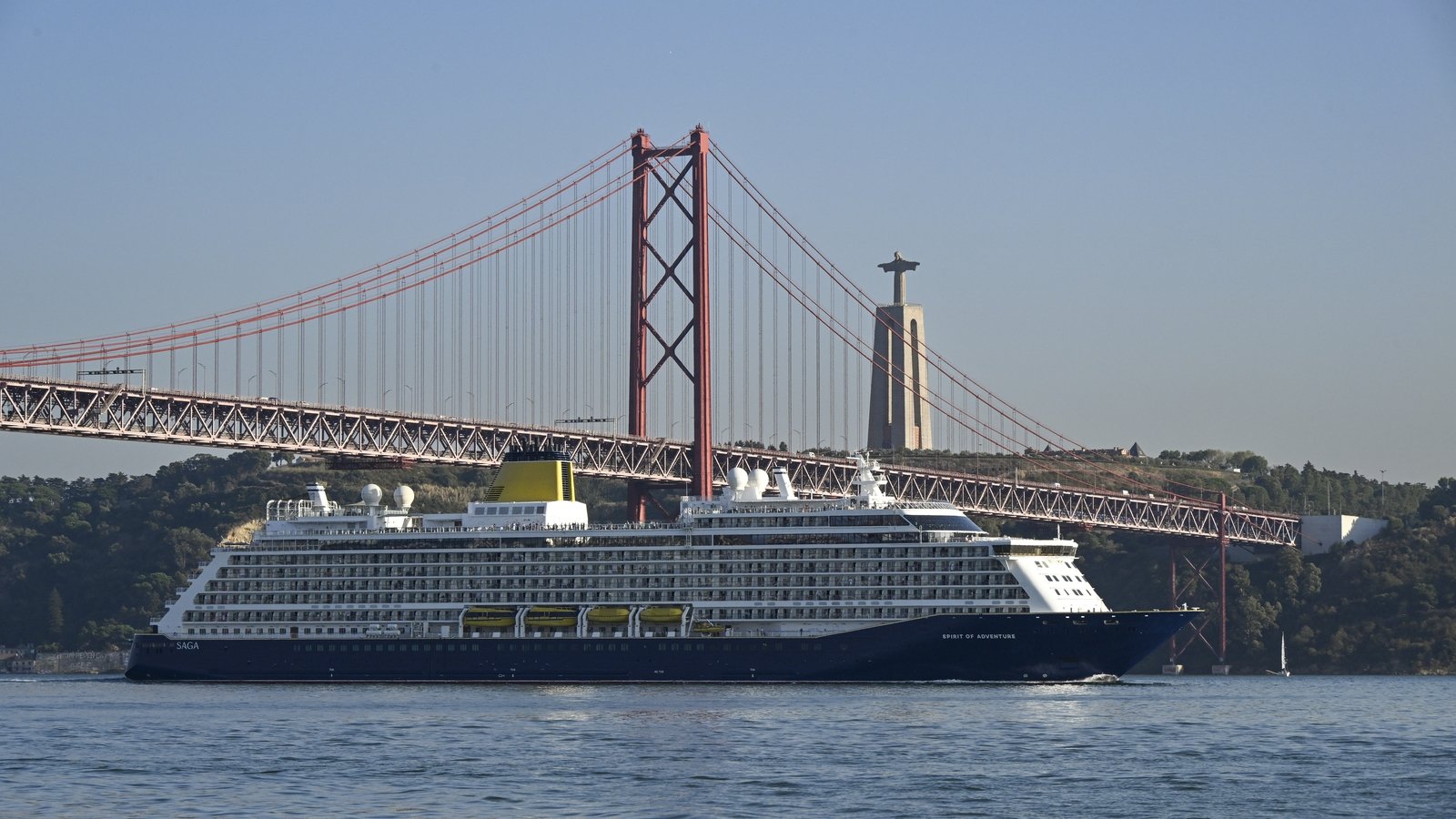
Cruising has emerged as one of the strongest growth areas this year, driven by perceived value, all‑inclusive options and early‑booking offers, particularly for families and solo travellers. Travel Counsellors reported January ocean cruise bookings up 20% year‑on‑year and river cruising up 60%.
- Ocean ships typically carry around 3,000 passengers.
- River vessels are smaller and “much more intimate,” usually under 200 people.
“It’s very relaxed, meandering slowly along the river, in small low boats to fit under bridges. When you dock up at a town, you’re literally in the town and you can go on bicycle tours,” Burke said. “It’s very different to the ocean cruises, but like the ocean cruises, you can get anything from three, four, five‑star boats and food, it’s making sure that you have the right ship for you.”
Trips to Norway are up 50%, supported by added flight capacity and demand for fjord itineraries, the agency said. Cruise and tour growth into Norway and other Schengen destinations remains governed by common EU external‑border rules under the Schengen Borders Code, which continues to shape visa‑free short stays for Irish and UK nationals.
‘Coolcations’ and earlier departures
A “slow burn” trend Burke described as “coolcations” — avoiding southern European heat in July and August — is steering some customers to Denmark and Norway. She also pointed to more direct flights and wider activity choices as supports for that shift, as airlines redeploy capacity into secondary Nordic and Baltic airports.
Booking patterns are moving earlier into shoulder months to sidestep peak‑price school closures across Europe and to avoid the hottest weeks when heatwaves and wildfire risks have become more common. “Our data is showing that for bookings, we’ve got more people traveling in June by this point than we do in August,” Burke said. That shift towards June and September departures is being closely watched by operators that rely on traditional high‑season pricing to cover fixed costs.

Long‑haul timing and perceived value to the US
For long‑haul, Burke said customers are deciding later: “They might be booking now for the USA for April or May,” adding, “The USA is very good value at the moment, but I think Irish people are very politically aware.”
A January survey by Aer Lingus indicated long‑haul remains central to Irish travel plans:
- 34% of respondents are planning a trip to the US, Canada or Mexico in 2026.
- A further 22% are considering such a trip.
- 10% said they had already booked at the time of the survey.
Those figures suggest that, despite concern about elections, migration debates and security headlines, Irish travellers still see North America as a core leisure and visiting‑friends‑and‑relatives market. Airlines and tourism promotion agencies will read that as support for maintaining — and potentially expanding — transatlantic capacity over the medium term.
Visa rules, headlines and short‑lived dips
Tour America founder Mary McKenna said negative press on immigration and tariffs has not deterred Irish holidaymakers to date. “There’s a lot of interest when stuff comes up on ESTA (US visa waiver programme) or when US President Donald Trump announces something on social media,” she said. “But just as it stands right now, there’s no changes on restrictions or requirements on ESTA that have changed from before, and the social media changes that he brought in haven’t come into effect yet.”
Under the US Visa Waiver Program, Irish passport holders continue to travel for short stays using the Electronic System for Travel Authorization, with core conditions set out by the US Department of Homeland Security at esta.cbp.dhs.gov. Any future tightening or expansion of those rules would have immediate implications for tour operators and the broader transatlantic tourism economy.
McKenna added: “I have not heard of one person yet that has had any issue going through customs and immigration here in Dublin or Shannon.” She said news headlines can temporarily dent demand, citing a brief dip in calls when the story of Irish man Seamus Culleton being detained by ICE emerged, before activity returned.
Reflecting on previous shocks, McKenna recalled: “I thought my business was gone after September 11 and I had three months of no bookings whatsoever. That ended up being my best year ever because the deals that came out were just phenomenal. Irish people do look for value and they’re going to get value right now, which they mightn’t have got last year or the year before.”
Currency, fares and route capacity
McKenna attributed steady interest in the US partly to a weaker dollar. “If you look at the same time last year, we were on parity with the US dollar, so €1 would get you $1. Last week it went up to $1.20, this week it’s $1.18, it’s still much better value, they’re getting cheaper hotels and better bargains when they get to the States,” she said.
She also described US‑Europe demand imbalances leading to lower transatlantic fares: “Americans aren’t travelling to Europe … those airlines now have empty seats coming from the States and they’ve dropped all their prices so there are really good deals now.”
Tour America reported uneven demand by US city: New York down 5% and Las Vegas down 7%, with increases for Nashville and Florida. Overall, travel figures to the US last year were described as stable with a marginal decrease of around 4,000 visitors.
There are now 23 direct flights to the US. For Irish aviation and tourism planners, maintaining that breadth of connectivity — from traditional hubs like New York and Boston to newer routes into the US South and West — will depend on whether current booking momentum holds through the 2026 summer season and into next winter.
