
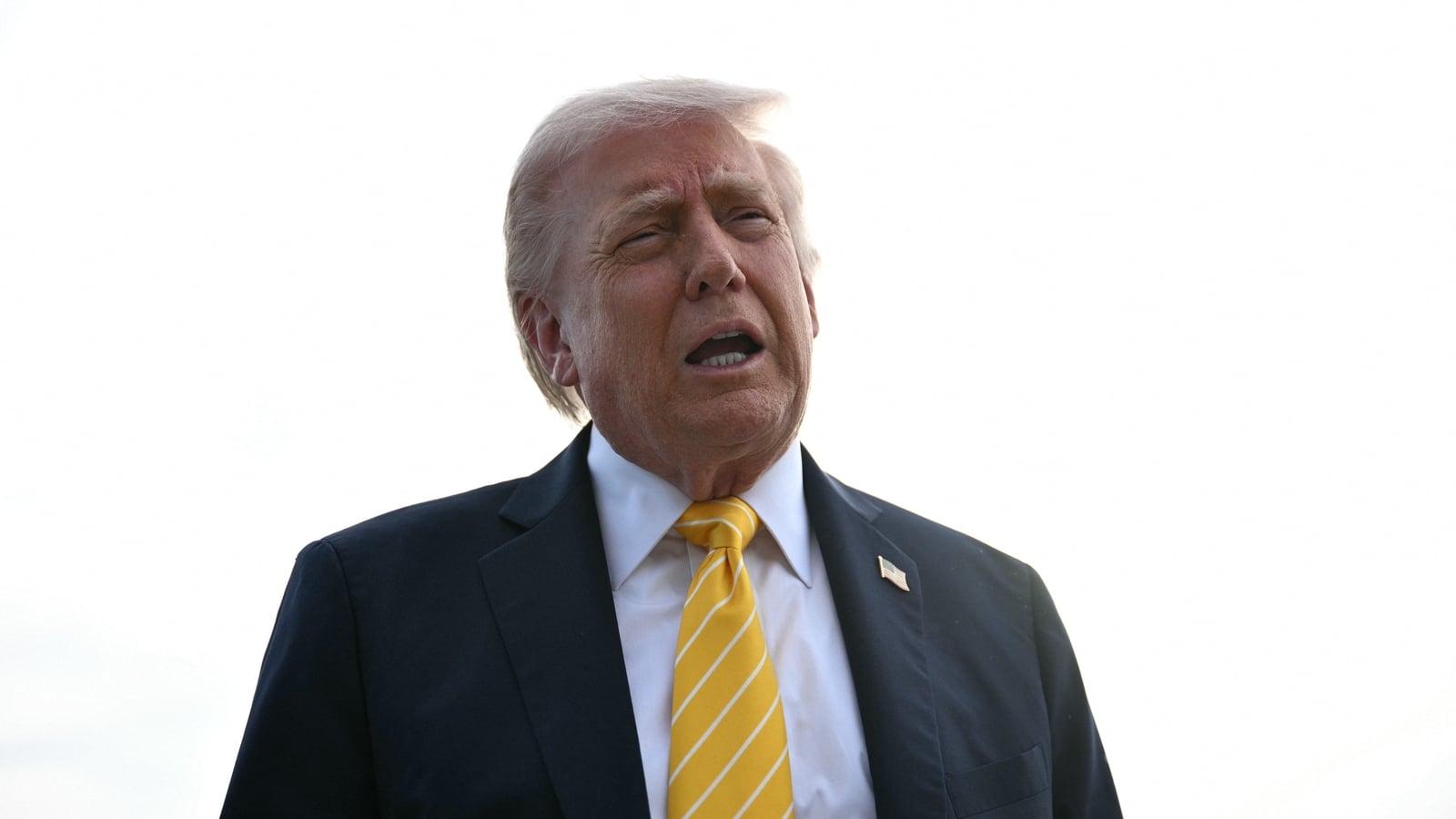
WASHINGTON – US President Donald Trump has announced a suspension of “Project Freedom,” the US military operation designed to escort commercial shipping through the Strait of Hormuz, after only 24 hours of activity. The decision comes as the White House seeks a comprehensive diplomatic settlement with Tehran to terminate a regional war that has destabilized global energy markets.
The move signals a precarious pivot toward diplomacy in one of the world’s most volatile maritime corridors and marks a rare pause in a high‑stakes US military operation ordered personally by the commander-in-chief. The Strait of Hormuz, a narrow chokepoint between Oman and Iran, serves as the primary artery for approximately one-fifth of the world’s total oil consumption. Any prolonged military confrontation in these waters threatens not only regional stability but the volatility of global Brent crude prices, with direct implications for inflation, shipping insurance costs and energy policy in major importing states.
Project Freedom was launched on Monday to secure the passage of vessels after Iran seized control of sections of the Strait in retaliation for allied attacks. The Pentagon had framed the mission as an emergency bid to reassert freedom of navigation and reassure commercial operators whose tankers had begun to divert or anchor outside the danger zone. However, the US administration paused the operation following diplomatic overtures from Pakistan, acting as a mediator, and other international partners pressing Washington and Tehran to avoid a spiral into a broader regional naval conflict.
Writing on Truth Social, President Trump indicated that the pause is a strategic concession to facilitate a peace treaty.
“Great Progress has been made toward a Complete and Final Agreement” with Iran, the President stated. “We have mutually agreed that, while the Blockade will remain in full force and effect, Project Freedom will be paused for a short period of time to see whether or not the Agreement can be finalised and signed.”
The White House has not yet released the draft terms of any prospective accord, but senior officials describe the pause as “conditions‑based,” contingent on Iran refraining from new attacks on shipping or US assets.
From Epic Fury to Diplomatic Pressure
The current tension is the latest escalation in a conflict initiated on February 28, when US and Israeli forces launched coordinated strikes against Iranian military and economic infrastructure. While the strikes targeted high-level leadership and strategic assets, the Islamic Republic remained intact, responding with a campaign of missile and drone strikes across the Middle East.
US Secretary of State Marco Rubio recently clarified the status of the primary offensive phase of the conflict, known as “Operation Epic Fury.”
“The operation is over – Epic Fury – as the president notified Congress. We’re done with that stage of it,” Mr. Rubio told reporters at the White House, referring to the formal war powers notifications that have become a flashpoint between the executive branch and lawmakers whenever US forces are used overseas.
Regarding the specific clashes in the Strait of Hormuz, Mr. Rubio emphasized that the US military presence there was intended to be reactive rather than aggressive.
“This is not an offensive operation; this is a defensive operation,” Mr. Rubio said. “And what that means is very simple – there’s no shooting unless we’re shot at first.”
The transition from “Epic Fury” to a blockade-centric strategy reflects a shift toward economic attrition and sustained coercive pressure rather than continuous high‑intensity strikes. The United States continues to maintain a strict blockade of Iranian ports, utilizing maritime dominance to isolate Tehran’s economy while attempting to keep allied commercial shipping flowing through the Strait under what officials describe as “heightened but controlled” military protection.
Economic Attrition and Global Stakes
The strategy of maintaining a blockade while pausing active escorts is intended to maximize pressure on the Iranian government without triggering a full-scale naval war that could drag in additional regional powers. The US administration believes that the degradation of Iran’s trade capabilities will force Tehran to accept terms it previously rejected, including new constraints on its missile program and support for regional proxy forces, according to officials familiar with internal deliberations.
According to the US State Department and intelligence assessments, the impact of the blockade and the February strikes has been severe:
- Significant destruction of key Iranian petroleum export facilities, sharply curtailing official crude shipments.
- Disruption of critical maritime trade routes for Iranian manufactured goods, complicating Tehran’s efforts to reroute exports over land.
- Severe devaluation of the Iranian rial amidst halted exports and tightening financial sanctions, raising domestic pressure on the government.
Mr. Rubio asserted that the United States has “achieved the objectives” of the war, citing the “real, catastrophic destruction” facing the Iranian economy. Despite this, he noted that President Trump remains committed to a negotiated resolution to ensure long-term regional stability and to provide a clear off‑ramp that can be defended to both Congress and key US allies.
Energy and shipping officials warn that the policy is not without costs for other states. Even a temporary halt in escorted convoys has forced major tanker operators and insurers to reassess risk premiums, prompting calls in several capitals for clearer US guidelines on how long the pause will last and under what conditions escorts would resume.
The Fragility of the Ceasefire
The diplomatic path remains fraught. President Trump declared a ceasefire on April 8, which has been extended multiple times despite reports that formal negotiations had reached a standstill and that back‑channel talks were doing much of the work. The role of Pakistan as a mediator highlights the complexity of the regional alignment, as Islamabad attempts to balance its relationship with the US and its neighbors while avoiding direct entanglement in the maritime stand-off.
Under international law, specifically the United Nations Convention on the Law of the Sea (UNCLOS), the right of “transit passage” through straits used for international navigation is a cornerstone of global trade. The Iranian seizure of control in the Strait and the subsequent US military response have placed these legal frameworks under unprecedented strain, raising questions for coastal states and shipping nations about how far individual countries can go in restricting navigation in the name of security.
US officials insist that the blockade and any future convoy operations are designed to restore, not undermine, those navigational rights. Tehran, by contrast, accuses Washington of weaponizing maritime law to enforce unilateral sanctions and has hinted it may seek emergency deliberations at the UN Security Council, where permanent members are already split over the scope of lawful self‑defense at sea.
The current status of the conflict remains a fragile ceasefire, with the US blockade of Iranian ports remaining in full effect while the “Project Freedom” escort operations are suspended pending the finalization of a diplomatic agreement. For the administration, the coming days will test whether a narrow military pause can be converted into a durable framework for de‑escalation – or whether tankers in one of the world’s most vital waterways will again find themselves on the front line of great‑power confrontation.
Keep reading
