
DUBAI –
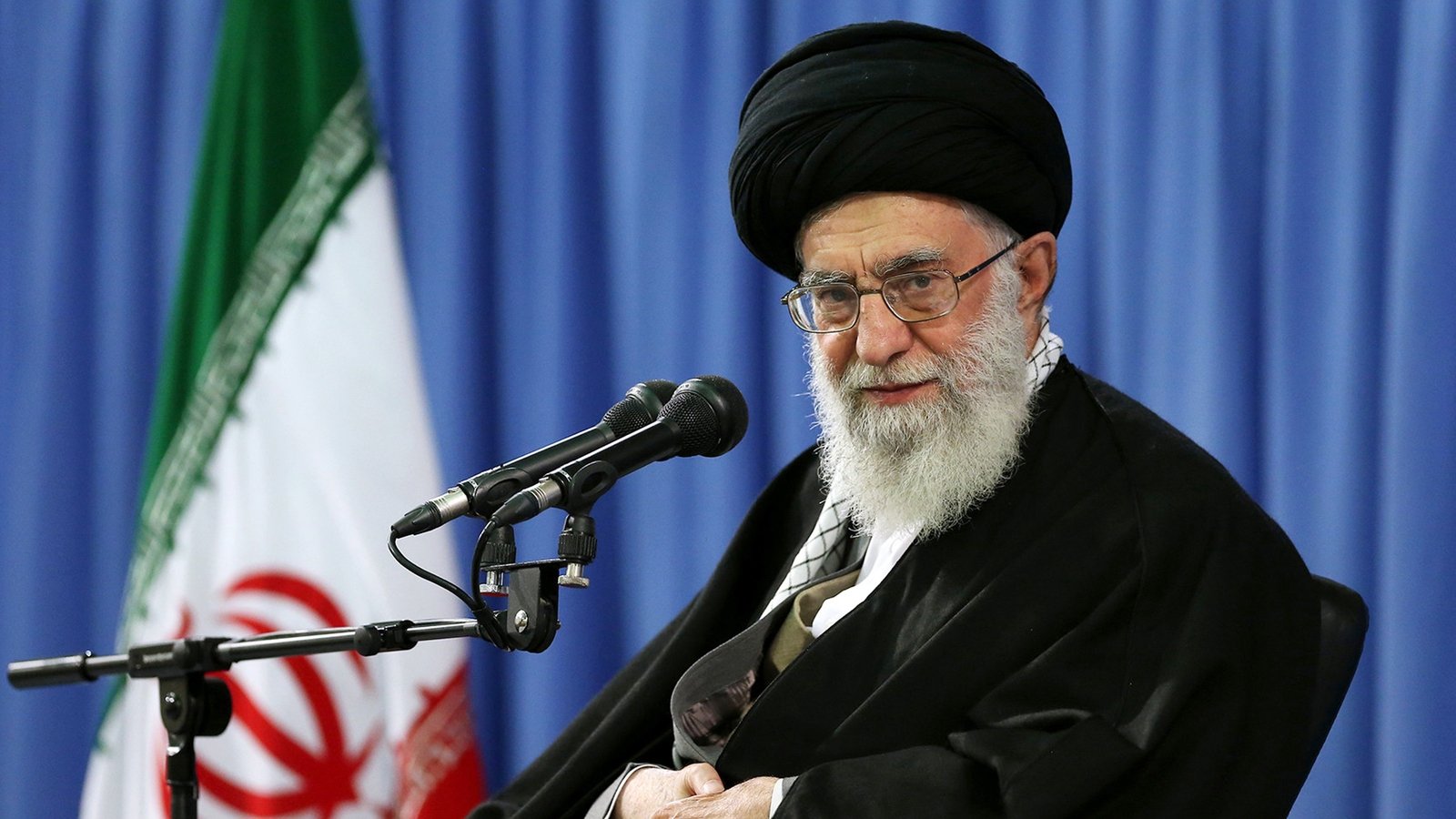
Iran’s supreme leader, Ayatollah Ali Khamenei, was killed on Saturday after the United States and Israel launched their largest coordinated strikes on Iranian targets in decades, Iranian state media and top Israeli officials said. U.S. President Donald Trump said Washington worked “closely with Israel” to locate and target Khamenei and other senior figures, declaring the opening phase of a campaign the Pentagon calls Operation Epic Fury. Iran fired missiles and drones in retaliation at Israel and several Gulf states that host U.S. bases. (theguardian.com)
“This is not only Justice for the people of Iran,” Mr Trump wrote on Truth Social, adding that Khamenei “was unable to avoid our Intelligence and Highly Sophisticated Tracking Systems and, working closely with Israel, there was not a thing he, or the other leaders that have been killed along with him, could do.” In a separate video address, he framed the campaign’s aim as “eliminating imminent threats from the Iranian regime,” called on Iranians to “take over” their government – “It will be yours to take” – and warned, “This will probably be your only chance for generations.” (pbs.org)
Israel’s prime minister, Benjamin Netanyahu, said Khamenei’s compound “had been destroyed” and that there were “many signs” the Iranian leader “is no longer,” as Israel’s military touted its biggest-ever air mission: roughly 200 fighter jets striking around 500 targets across western and central Iran. Iran said it responded with salvos on Israel and at least seven other countries; Gulf authorities reported missiles aimed at areas that include facilities tied to the U.S. Navy’s Fifth Fleet in Bahrain. (al-monitor.com)
“The heavy and pinpoint bombing, however, will continue, uninterrupted throughout the week or, as long as necessary to achieve our objective of PEACE THROUGHOUT THE MIDDLE EAST AND, INDEED, THE WORLD!”
(en.apa.az)
Regional reprisals ripple across airspace and cities
Iran’s retaliatory strikes triggered air-raid sirens across Israel; a missile hit a residential building in Tel Aviv, leaving one woman dead and more than a dozen wounded, according to Israeli emergency services, in one of the first civilian fatalities of the crisis. The U.S. military said there were no American deaths or combat injuries after intercepting “hundreds” of missiles and drones aimed at U.S. sites in Bahrain, Kuwait, Qatar, and the United Arab Emirates. Bahraini authorities and independent footage indicated a strike near a support center for the U.S. Fifth Fleet in Manama, underscoring the direct exposure of U.S. basing infrastructure across the Gulf. (washingtonpost.com)
Airspace closures and airport shutdowns rippled across the Gulf. Dubai International and Al Maktoum airports suspended operations “until further notice,” while Etihad said all departures from Abu Dhabi were halted until 14:00 UAE time on Sunday, March 1. Carriers in Europe and Asia rerouted or cancelled flights, amplifying global disruptions as regulators warned of a “high risk to civil aviation” over multiple conflict zones and advised airlines to avoid large swaths of regional airspace. (thenationalnews.com)
Iranian media and officials in the region reported widespread interceptions of incoming fire. Qatar’s defense ministry said it downed all missiles that targeted the country; authorities urged residents to remain calm as debris warnings went out nationwide and civil defense agencies tested emergency messaging systems. (qatar-tribune.com)
Witnesses described mixed scenes within Iran: fear amid fresh bombardments and, in some neighborhoods of Tehran, Karaj and Isfahan, sporadic celebrations after news of Khamenei’s death spread. Verified videos geolocated by international outlets captured cheers, honking, and music from windows and streets, reflecting both the trauma of renewed conflict and long‑simmering anger toward the ruling elite. (today.lorientlejour.com)
Scale and intent of the strikes
U.S. Central Command said the opening phase of Operation Epic Fury targeted sites that “posed an imminent threat,” including Islamic Revolutionary Guard Corps (IRGC) command‑and‑control nodes, air defenses, missile and drone launch sites, and military airfields, using precision munitions from air, land, and sea. The Israel Defense Forces said about 200 fighter aircraft conducted the largest combat sortie in the country’s history, striking roughly 500 Iranian targets in coordinated waves designed to degrade Iran’s air defenses and ballistic missile capabilities. Together, the operations marked a qualitative escalation from previous covert and limited strikes into a declared campaign against core pillars of Iran’s security architecture. (washingtonpost.com)
The Pentagon reported “no U.S. casualties” and only “minimal” damage at American facilities in the region following Iran’s retaliatory barrages, a preliminary assessment that may shape how Washington and its allies calibrate further action or restraint in the coming days. (today.lorientlejour.com)
A succession test for the Islamic Republic
Khamenei’s death opens a rare but critical constitutional process at the heart of Iran’s theocratic system. Under Articles 107 and 111 of Iran’s constitution, the 88‑seat Assembly of Experts – clerics elected to eight‑year terms – must select a new supreme leader and has authority to remove him if he fails to meet specified criteria. The body’s vetting is heavily influenced by institutions Khamenei shaped, including the Guardian Council, which screens candidates and has narrowed the field of acceptable insiders over decades.
The IRGC, built into a dominant security and economic force during his rule, remains pivotal to regime stability as the clerical establishment confronts a power vacuum. Its commanders oversee sprawling business interests and paramilitary units, and diplomats and analysts will watch closely for signs that the corps seeks to steer the Assembly’s deliberations or consolidate influence during the interregnum. (britannica.com)
International law and diplomatic crosscurrents
U.N. Secretary‑General António Guterres urged an immediate halt to hostilities as the Security Council met in emergency session, warning of the danger of a wider war that could draw in additional regional actors and major powers. The U.S. framed the operation as necessary to head off imminent threats; Iran called the strikes unprovoked and illegal, invoking sovereignty and civilian harm. Under the U.N. Charter, the use of force is generally prohibited except when authorized by the Security Council or in self‑defense under Article 51 – a standard that has fueled sharp debate around preemptive actions and targeted killings of state leaders.
In Washington, leading Democrats and several Republicans pressed for a vote to define or limit the president’s authority for prolonged operations against Iran, citing the War Powers Resolution’s requirements for congressional authorization as hostilities persist. Lawmakers also questioned whether existing post‑9/11 authorizations for the use of military force could be stretched to cover a sustained campaign against Iran’s state apparatus, signaling potential clashes between the executive branch and Congress if the operation widens or lengthens. (washingtonpost.com)
Oil and aviation shockwaves
Tehran warned it had closed the Strait of Hormuz, the narrow waterway between Iran and Oman through which about 20-21 million barrels per day of crude and petroleum liquids transited in 2023 – roughly one‑fifth of global consumption and nearly 30% of seaborne oil trade – as well as substantial liquefied natural gas volumes from Qatar. Energy analysts said even short‑lived disruption or heightened risk premiums could propel Brent crude toward or above $100 per barrel and force major importers to draw on strategic reserves, test emergency coordination tools among the world’s leading economies, and reprice inflation and monetary‑policy paths. (eia.gov)
Aviation curbs compounded the shock. With Gulf hubs shuttered and conflict‑zone advisories in effect, long‑haul rerouting and higher war‑risk insurance rates added to costs and delays across Europe‑Asia corridors that already avoid Russian airspace. Industry executives warned that sustained closures around the Strait and key Gulf hubs would challenge logistics chains for everything from medical supplies to high‑value electronics, putting pressure on governments to issue clearer overflight rules and contingency plans. (thenationalnews.com)
The nuclear file at the center
The strikes followed months of faltering efforts to re‑establish monitoring and constrain Iran’s advancing nuclear program. The 2015 Joint Comprehensive Plan of Action (JCPOA), endorsed by U.N. Security Council Resolution 2231, curbed enrichment and stockpiles before the U.S. withdrawal in 2018; since then, Iran has amassed uranium enriched up to 60% and curtailed inspector access, according to recent IAEA reporting and expert tallies. The agency has warned that restoring full monitoring is essential to gauge Iran’s inventory and capabilities, and diplomats now face the prospect of managing nuclear‑proliferation risks amid open conflict rather than through fragile negotiation channels.
On the ground inside Iran and across the Gulf
- Israel’s military said approximately 200 fighter jets hit nearly 500 targets across Iran, focusing on missile and air‑defense infrastructure and IRGC facilities. (jpost.com)
- Iran launched missiles and drones toward Israel and Gulf states; Bahrain, Qatar, Kuwait, and the UAE reported interceptions or impacts near U.S. facilities, including at the U.S. Fifth Fleet’s support center in Manama, prompting heightened security at bases and ports. (reutersconnect.com)
- Tel Aviv emergency services reported one fatality and multiple injuries after a missile strike on a residential building, while local authorities opened shelters and reinforced guidance on staying near protected spaces. (washingtonpost.com)
- Flights at Dubai’s two airports were suspended; Etihad halted departures from Abu Dhabi until 14:00 local time on Sunday, March 1, as aviation regulators coordinated rerouting corridors with European and Asian counterparts. (thenationalnews.com)
As the operation entered a second day on Sunday, March 1, Iranian state television announced 40 days of national mourning; the U.N. Security Council remained seized of the crisis; the U.S. military reported no American casualties; and Iran’s Assembly of Experts had not named a successor. Diplomats described the coming days as a test not only of Iran’s succession machinery but also of whether existing international rules and institutions can contain one of the most consequential Middle East shocks in decades. (gulfnews.com)
Keep reading
