
LONDON –
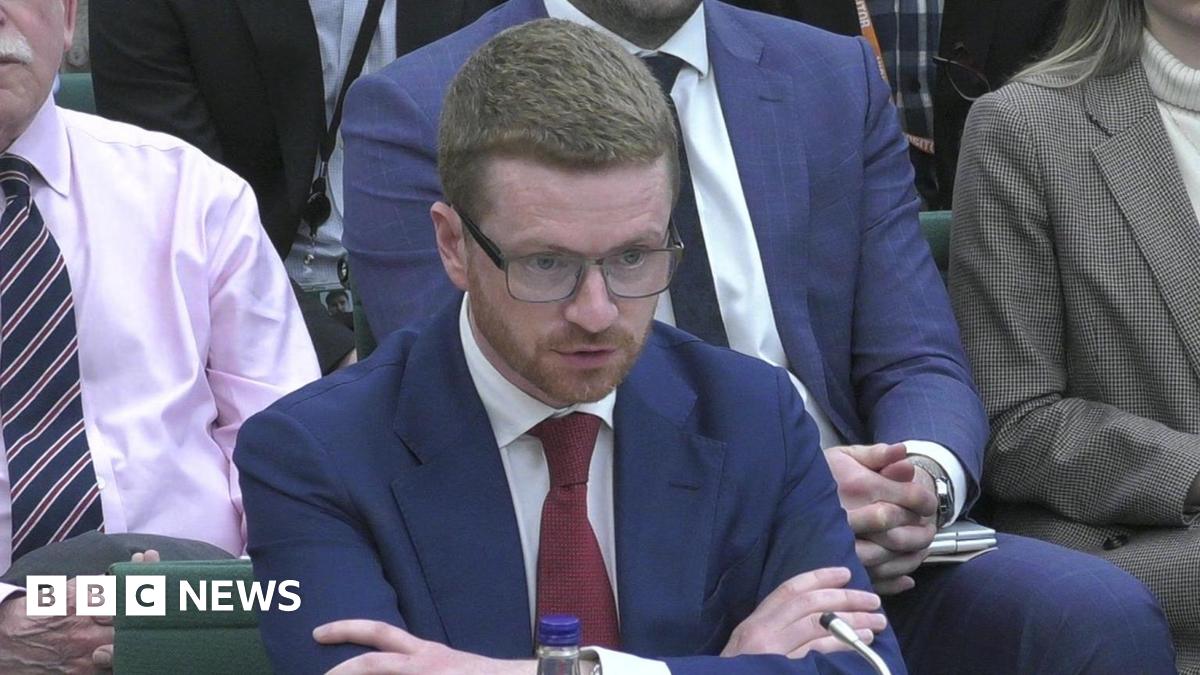
The appointment process for one of the United Kingdom’s most sensitive diplomatic postings has come under intense scrutiny following testimony from Sir Philip Barton, the former Permanent Under-Secretary at the Foreign, Commonwealth and Development Office (FCDO).
Appearing before the Foreign Affairs Select Committee, Sir Philip detailed significant deviations from standard diplomatic protocol regarding the appointment of Lord Mandelson as the British Ambassador to the United States. The revelations suggest a rushed vetting process and a breakdown in communication between the political leadership and the professional diplomatic service.
The fallout occurs at a critical juncture for the Labour government, which is navigating a complex domestic electoral calendar including contests for the Senedd in Wales, as well as Scottish and English local elections. The controversy threatens to overshadow the government’s domestic agenda by highlighting potential vulnerabilities in its high-level security clearances and diplomatic appointments.
Diplomatic Protocol and the Vetting Breach
In the British diplomatic service, the appointment of an ambassador-particularly to Washington, the most prestigious post in the FCDO-typically follows a rigorous vetting procedure. That process is formally underpinned by the Cabinet Office’s national security vetting regime and by ministerial accountability to Parliament through bodies such as the Foreign Affairs Select Committee, and is designed to ensure that the appointee possesses the necessary clearances and that no prior associations could compromise national security or diplomatic relations.
Sir Philip Barton testified that the sequence of events in Lord Mandelson’s appointment was highly irregular. He noted that he found out Lord Mandelson was being appointed as ambassador to Washington “just before it was announced,” despite his extensive diplomatic experience and tenure in the United States.
The former Permanent Under-Secretary expressed particular concern regarding the timing of the public announcement relative to the security checks. In standard cases, an ambassador is publicly named only once the highest level of Developed Vetting has been completed, avoiding the risk that concerns identified late in the process might force an embarrassing reversal.
His view was that it was unusual for someone to be announced into a role before the vetting process had been complete.
Sir Philip further clarified the nature of the urgency surrounding the appointment, distinguishing between the political drive to establish a presence in Washington and the actual requirements of the security apparatus. He stated there was “real pressure to get him out to America ASAP,” but emphasized that there was “no pressure relating to the substance of sorting his vetting.” That distinction goes to the heart of the committee’s concern: whether political timetables, including the new government’s early push to reset relations with Washington, were allowed to take precedence over institutional safeguards.
The episode also raises questions about adherence to the long‑standing convention that the FCDO’s senior officials are closely involved in drawing up and assessing candidates for top diplomatic roles, even where ministers ultimately retain the right of appointment. Any erosion of that convention risks blurring lines of responsibility when appointments go wrong.
The Epstein Connection and Security Implications
Central to the committee’s inquiry are Lord Mandelson’s previous associations with Jeffrey Epstein. In the context of a US ambassadorship, such connections are not merely social liabilities but potential security risks that could be leveraged by foreign intelligence services or cause diplomatic friction within the US government.
Sir Philip Barton admitted that he had concerns regarding these links at the time of the appointment. He testified that he worried Lord Mandelson’s connections to Jeffrey Epstein “could be a problem in the future.”
Within the UK system, financial, personal and reputational vulnerabilities are routinely assessed during national security vetting, with particular emphasis on whether past associations could expose an officeholder to undue influence or blackmail. Against that backdrop, Barton’s evidence that he was not consulted in advance about the appointment takes on added significance.
Despite these reservations, Sir Philip noted that he was not brought into the decision at an early stage. The lack of early consultation with the FCDO’s top civil servant suggests a bypass of the institutional safeguards typically used to vet political appointees for high-stakes international roles. It also raises broader questions about how far ministers may stretch their discretion before they collide with the principles set out in the Ministerial Code, which requires them to uphold the highest standards of propriety and to protect the integrity of public appointments.
Internal Friction and Political Fallout
The testimony also touched upon the volatile internal dynamics within the government’s foreign policy apparatus. The committee explored the circumstances surrounding the sacking of Sir Olly Robbins, Lord Mandelson’s successor, and the role of Morgan McSweeney, the Prime Minister’s former chief of staff, in shaping the No 10 approach to senior diplomatic postings.
While Sir Philip avoided engaging in the more contentious political disputes regarding the dismissal of Sir Olly Robbins, he provided a key detail regarding the pressure applied during the vetting process. When questioned about the conduct of the Prime Minister’s office, Sir Philip stated he “did not recall McSweeney ever swearing at him to get a move on in sorting Lord Mandelson’s vetting.”
That careful formulation underscores a wider tension: officials insist there was no direct interference with the substance of the vetting, yet the speed and sequencing of the appointment were clearly being driven from the political centre. For critics, this sits uneasily with repeated ministerial assurances that security processes operate at arm’s length from day‑to‑day political pressures.
The intersection of these diplomatic failures and domestic politics has created a precarious environment for the Labour party. The controversy persists as a focal point for opposition critics, who argue it reflects a culture of haste and centralised control in No 10, coinciding with a period of high political volatility across the UK’s devolved nations and a tight electoral timetable.
The FCDO continues to operate under the oversight of the Foreign Affairs Select Committee, which is tasked with ensuring that ministerial appointments do not undermine the professional integrity or security of the UK’s global diplomatic network. As the committee weighs whether to recommend changes to appointment and vetting procedures for ambassadorial roles, the Mandelson case has become a test of how robust those safeguards really are when they collide with the priorities of a newly empowered government.
- Global Food Security Alliances: How Climate-Resilient Agricultural Corridors Are Stabilizing Wheat and Rice Supplies
- Cross-Border Renewable Energy Grids: North Sea and Mediterranean Subsea Cable Networks Enter Phase Two
- ASOS app users receive notifications from hackers in apparent breach (globallypulse.com)
