
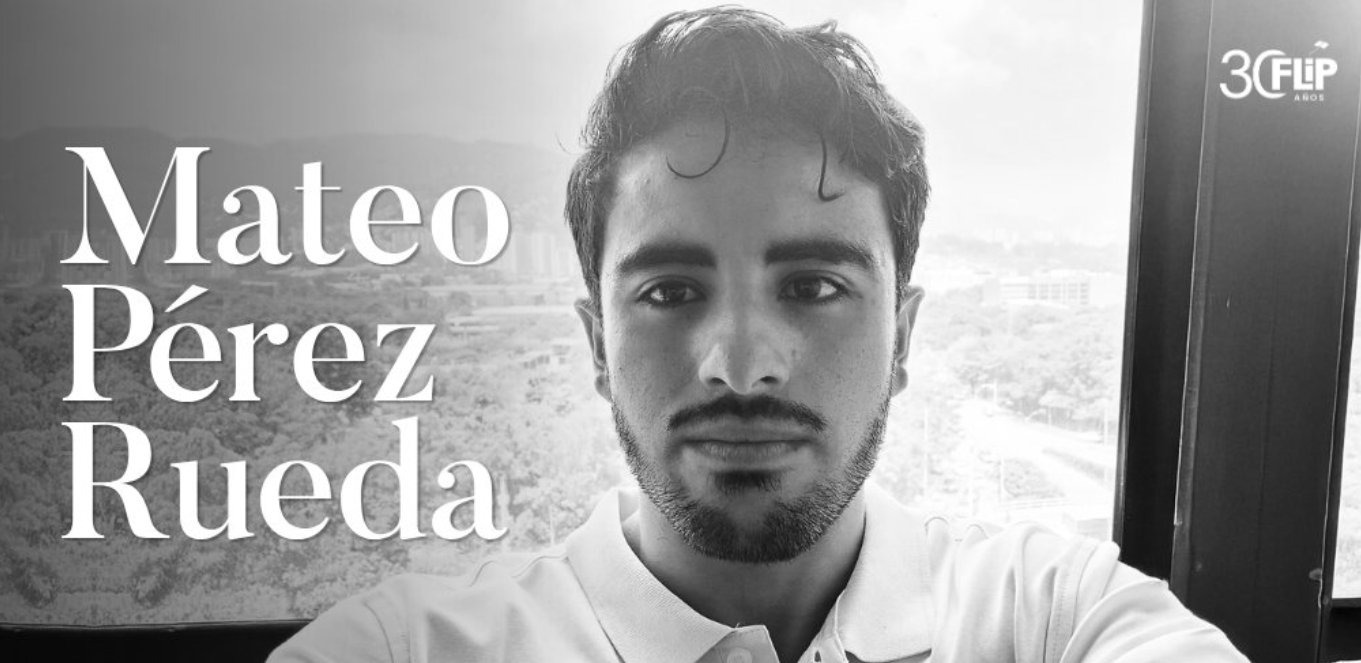
BOGOTÁ – Colombian authorities have recovered the body of Mateo Pérez Rueda, a 25-year-old independent journalist and political science student, whose murder underscores the lethal volatility of Colombia’s rural conflict zones.
Pérez Rueda, a student at the National University in Medellín, had traveled to Briceño, Antioquia, to document the security environment in a region currently contested by the 36th Front of the dissidents of the former Revolutionary Armed Forces of Colombia (FARC).
The killing of a young reporter documenting the friction between state authority and illegal armed groups highlights the precarious state of press freedom in the Colombian interior. It arrives at a critical juncture for President Gustavo Petro’s “Total Peace” (Paz Total) initiative, a sweeping policy aimed at negotiating simultaneous ceasefires and disarmament deals with multiple guerrilla and paramilitary factions, and formally anchored in the government’s Total Peace law (Law 2270 of 2022).
The recovery of the journalist’s remains followed high-level dialogues between humanitarian organizations, including the International Committee of the Red Cross (ICRC), and organized crime groups. Due to the extreme insecurity of the region, Pérez Rueda’s family was prohibited from entering the zone during the recovery process, which was carried out under protocols normally reserved for conflict-related disappearances.
President Gustavo Petro addressed the killing via his X account, attributing the crime to a fragmented faction of the insurgency.
“He was murdered by Jhon Edison Chalá Torrejano, from the Darío Gutiérrez front, which is a divided group from the 36th Front, fragmented into various criminal groups,” stated President Gustavo Petro.
The president’s public attribution places direct pressure on the armed faction allegedly responsible while also testing the credibility of the armed groups that have sought political recognition under the Total Peace framework.
The Risks of Rural Reporting
Pérez Rueda was not a casual observer but a dedicated local voice. As the founder and director of the digital media outlet El Confidente de Yarumal, he became a primary source of information for communities in northern Antioquia, where national media coverage is sporadic and often arrives only after episodes of violence.
His reporting focused on the intersection of administrative corruption and the territorial control exercised by illegal armed groups in municipalities such as Valdivia and Ituango. This work frequently placed him in the crosshairs of local power brokers and militants, resulting in a history of legal prosecutions and hostile summons intended to silence his reporting, according to colleagues and local press freedom advocates.
The circumstances leading to his death began on May 5, when Pérez Rueda disappeared in the rural hamlet of Palmichal. Local residents and relatives reported almost immediately that he had been targeted by the criminal group led by the guerrilla commander known as alias Calarcá Córdoba.
The involvement of Calarcá Córdoba introduces a complex political and institutional dimension to the case. As a guerrilla leader currently participating in the “Total Peace” negotiations, Calarcá has had his arrest warrant suspended by the Colombian government to facilitate diplomatic talks, a benefit designed to incentivize disarmament but now likely to face renewed scrutiny in Congress and among victims’ organizations.
Press freedom groups note that reporters like Pérez Rueda often operate without robust protection measures, despite the existence of the national protection scheme run by the Interior Ministry. In practice, rural journalists typically depend on informal security arrangements, community alerts, and last-minute accompaniment from local authorities, tools that proved insufficient in this case.
A Climate of Censorship
Reports indicate that Pérez Rueda had sought government accompaniment to access the rural areas he wished to document. Despite warnings from both authorities and neighbors that no security guarantees existed for those entering these sectors, the journalist proceeded on his motorcycle, underscoring the daily calculation made by reporters who must choose between personal safety and covering the public interest.
Defense Minister Pedro Sánchez initially treated the case as a disappearance. However, the family quickly pushed for a homicide investigation after Pérez Rueda’s vehicle, wallet, keys, and mobile phone were found abandoned shortly after contact was lost. That pressure accelerated the transition from a missing-person inquiry to a criminal investigation with potential implications for ongoing ceasefire talks.
In response to the crime, Minister Sánchez offered a reward of 300 million COP (approximately $80,000 USD at current exchange rates) for information leading to the capture of those responsible. Authorities have said the case will be handled by specialized units of the Attorney General’s Office that investigate crimes against social leaders and journalists, although no formal charges have yet been announced.
The death of Pérez Rueda is part of a systemic pattern of violence against the press in Colombia. According to data from the Foundation for Press Freedom (FLIP):
- Armed groups have attacked the press 387 times since 2022.
- Tactics include targeted killings, death threats, judicial harassment, and forced displacement.
- Rural journalists are disproportionately targeted due to their proximity to drug trafficking routes, illegal mining zones, and dissident strongholds.
These attacks persist despite constitutional guarantees of press freedom and Colombia’s international commitments under the Inter-American human rights system, raising questions about the effectiveness of existing safeguards and the enforcement of court rulings that have repeatedly ordered the state to strengthen protection for journalists.
Colombia continues to struggle with the fragmentation of the FARC after the 2016 Peace Accord, as “dissident” groups emerge to fight for control of coca-growing regions and illicit corridors. These groups often operate with a level of brutality that persists despite the national government’s efforts to bring them to the negotiating table, blurring the line between political insurgency and organized crime and complicating the application of transitional justice mechanisms.
The body of Mateo Pérez Rueda has been released to his family. Investigation into the specific chain of command within the Darío Gutiérrez front remains ongoing, and the case is quickly becoming a barometer of whether Colombia’s institutions can protect local journalists while pursuing negotiations with the very groups accused of killing them.
- Global Food Security Alliances: How Climate-Resilient Agricultural Corridors Are Stabilizing Wheat and Rice Supplies
- Cross-Border Renewable Energy Grids: North Sea and Mediterranean Subsea Cable Networks Enter Phase Two
- Anthropic's Fake Murder Tip Went Unseen 72 Days. A Spam Filter Stopped It (daybreakwire.com)
