
Ofcom Warns Social Media Platforms Over Online Hate Ahead of World Cup
The UK’s communications regulator has issued a formal reminder to social media companies regarding their legal obligations to combat online abuse and “illegal hate content” as the football world prepares for the World Cup.
The intervention follows a pattern of severe online toxicity during previous major tournaments. The regulator has urged platforms to stress‑test their systems, update moderation policies and implement effective mitigation strategies, emphasizing that companies must be adequately prepared for the expected spike in abusive content that typically accompanies global sporting events.
Patterns of Abuse in International Football
Research into previous competitions highlights a systemic issue where players, coaching staff, match officials and, at times, their families are targeted with threats and harassment. This abuse often intensifies following high-stakes matches, creating a volatile environment that extends beyond the pitch and into players’ day-to-day lives.
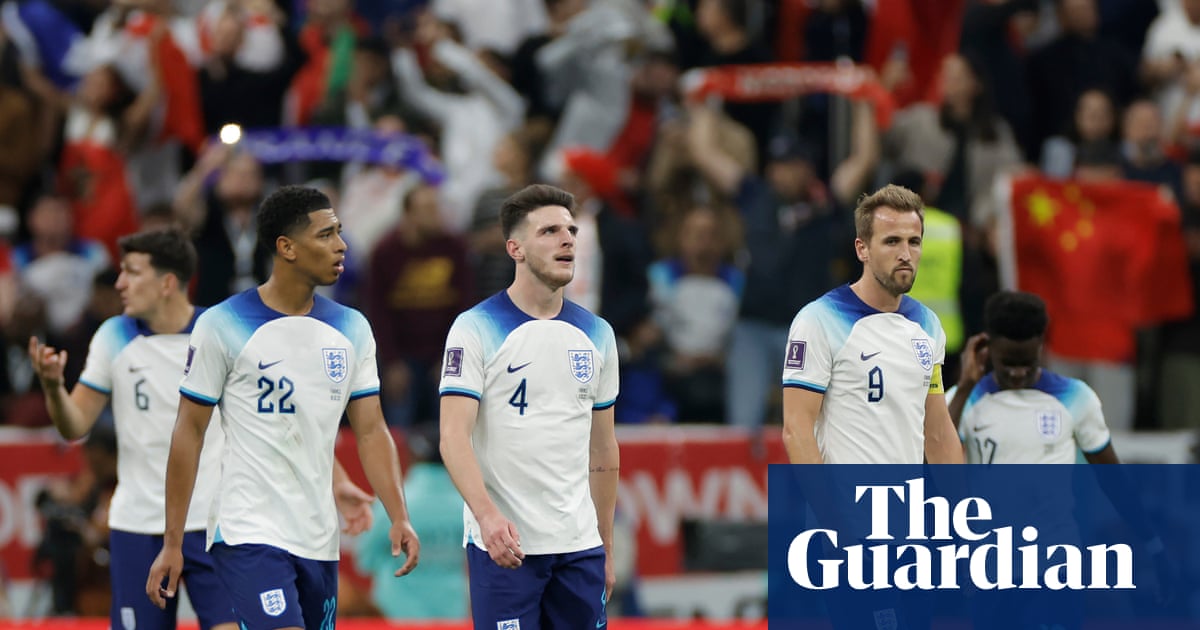
Specific data from FIFA indicated that the 2022 men’s World Cup quarter-final between England and France triggered the most significant surge in abuse against players during that tournament. This followed the widespread racial targeting of Marcus Rashford, Bukayo Saka, and Jadon Sancho after England’s penalty shootout defeat to Italy in the 2021 European Championship, an episode that prompted calls for stronger platform-level interventions and faster takedown mechanisms.
The toxicity is not limited to the men’s game. In March 2026, a man received a suspended jail sentence for directing malicious communications at Jess Carter during the 2025 women’s Euros, illustrating the legal consequences for individuals engaging in such behavior and underscoring that women’s football faces similar patterns of gendered and racialised abuse.
The impact of this abuse often extends beyond temporary distress. Research shows that the relentless nature of online hate-frequently targeting Black and minority ethnic players, as well as individuals based on disability status or perceived sexual orientation-can lead to significant health and wellbeing issues. In severe cases, athletes have reported fear for the safety of their families, the need for specialist psychological support, or have chosen to withdraw from public life entirely.
Regulatory Enforcement and the Online Safety Act
Under the regulatory framework established by the UK’s Online Safety Act 2023, for which Ofcom is the designated statutory regulator, social media companies are now subject to strict compliance requirements. The regime is intended to move responsibility for tackling illegal content away from individual users and towards the systems and risk assessments of large platforms.
To protect users and public figures, platforms must maintain:
- An adequately resourced content management and trust-and-safety function dedicated to the rapid detection and removal of illegal content.
- Easy and accessible systems for filing complaints, including clear escalation routes for players, clubs and national associations facing coordinated abuse.
- Technical tools that allow users to limit or disable comments on their posts and filter out certain categories of harmful content.
- A designated senior individual, accountable at board level, responsible for ensuring the platform meets these legal standards and can demonstrate compliance to Ofcom if required.
Failure to adhere to these mandates carries heavy financial penalties. The regulator has the authority to fine companies £18 million or up to 10% of their worldwide annual revenue if they are found to have failed in their duty to act against illegal content, and in serious cases can impose service restrictions until compliance is restored.
Coordinated Monitoring Strategy
To ensure these rules are enforced during the World Cup, a “live compliance programme” will be implemented to monitor how platforms handle abuse in real time. This effort involves a coordinated flow of information between the regulator, The Football Association, the UK Football Policing Unit and tournament organisers, allowing potential flashpoints around fixtures, refereeing decisions and player incidents to be identified quickly.
By integrating regulatory oversight with sporting and policing bodies, the goal is to shift the environment from one where abuse is normalized to one where platforms are held accountable for the safety of the athletes they host. For Ofcom, the tournament will also serve as an early test of whether the new online safety regime can meaningfully change the incentives of the largest social media firms ahead of future global events.
- Mamelodi Sundowns Edge Orlando Pirates at Moses Mabhida Stadium as Ghampani Lungu’s Missed Penalty Decides MTN8 Final
- Michael Jordan’s 1998 NBA Finals Jersey Sells for $14 Million, Setting Basketball Memorabilia Record
- Indian police detain 'cockroach' movement founder Abhijeet Dipke ahead of rally (globallypulse.com)
- Kramatorsk Population Drops to 19,000 Amid Combat and Deadly Strike (archyde.com)
