
Top Gear Crash Lawsuit Deepens Scrutiny of Athlete Safety in Entertainment
The passenger in the Top Gear crash that left former England all‑rounder Andrew “Freddie” Flintoff with serious injuries has launched legal action against BBC Studios, adding a new layer of scrutiny to how elite athletes are protected when they cross over from professional sport into high‑risk television work.
The claim, filed against the commercial production arm of the BBC, relates to the accident at Dunsfold Aerodrome in Surrey during filming of the long‑running motoring show. Flintoff, who was driving at the time of the incident, was hospitalised and later reached a financial settlement with BBC Studios over the injuries he sustained.
From Ashes winner to high‑risk presenter
Flintoff is one of the defining figures of modern English cricket, central to the 2005 Ashes triumph that reshaped the profile of the sport in the UK. He ended his international career in 2009 and retired from all forms of cricket in 2015, before building a second career as a prominent broadcaster and entertainer.
He joined Top Gear as a presenter in 2019, fronting the programme alongside Paddy McGuinness and Chris Harris. The role placed him at the heart of a format built around fast cars, stunts and controlled jeopardy – a sharp contrast to the regulated risk environment of elite cricket under the governance of the International Cricket Council.
The Dunsfold crash and its aftermath
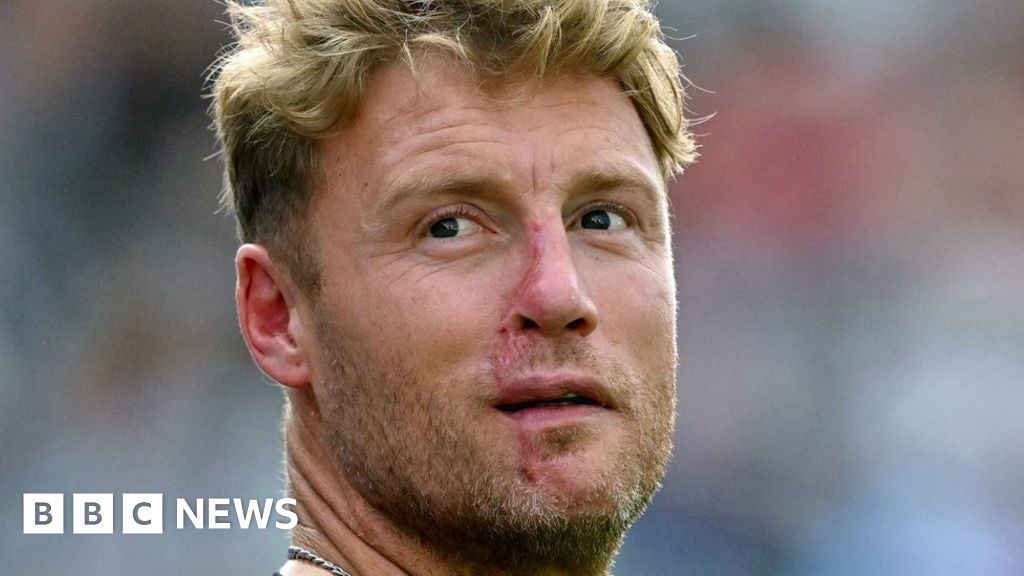
The crash occurred during filming at Top Gear’s test track at Dunsfold in December 2022. Flintoff was airlifted to hospital with what were described at the time as non‑life‑threatening injuries, but he later required extensive treatment and was left with visible facial scarring.
In the wake of the incident, BBC Studios carried out an internal investigation and ultimately decided not to resume production of the series that was being filmed. The BBC subsequently confirmed that it had reached an agreement with Flintoff supporting his rehabilitation and future plans, with widespread reports placing the value of the settlement in the multi‑million‑pound range.
The new action brought by Flintoff’s passenger focuses fresh attention on what happened at Dunsfold that day, and on the responsibilities of producers when sports stars are placed in demanding physical environments for entertainment purposes.
Impact on Top Gear and the wider industry
The crash has already had far‑reaching consequences for Top Gear itself. Shortly after the investigation into the accident was completed, the BBC announced that it would not resume filming the then‑current series. In November 2023 the corporation stated that the UK version of the show would be “rested” for the foreseeable future, effectively drawing a line under more than two decades of continuous broadcast.
Inside the television industry, the case has become a reference point for risk management on high‑octane factual entertainment formats. The combination of powerful vehicles, stunt‑style segments and presenters without a professional motorsport background presents a complex safety challenge, and legal claims by on‑screen talent or passengers raise direct questions about duty of care, insurance coverage and on‑set decision‑making.
What it means for athletes moving into television
For international sports audiences, the unfolding legal story is about far more than a single TV show. Flintoff’s trajectory encapsulates a broader trend: high‑profile athletes leaving tightly regulated competition environments and stepping into entertainment formats where the physical risk profile can be very different, yet the public still instinctively views them as “sports people” rather than television performers.
Several themes emerge from the Top Gear crash and the subsequent legal action:
- Duty of care beyond the playing field: When athletes transition into broadcasting roles that involve physical jeopardy, questions of training, equipment and informed consent become as important as they are in professional sport.
- Career longevity and welfare: For a retired cricketer with a history of injuries, the long‑term impact of a serious crash is not only a medical issue but a career one, affecting future on‑air work, coaching opportunities and public appearances.
- Commercial risk for broadcasters: Legal claims from presenters or passengers, combined with reputational sensitivity around on‑set safety, can reshape the economics of high‑risk productions and influence commissioning decisions.
Safety standards under the spotlight
While professional cricket and other major sports are governed by detailed medical, concussion and safety protocols, the frameworks overseeing high‑risk entertainment shows are more fragmented, sitting across workplace safety law, broadcaster guidelines and production‑specific risk assessments. The Top Gear crash has highlighted the gap that can exist between the rigour of elite sport’s safety culture and the more ad‑hoc standards sometimes applied in television.
The legal action by Flintoff’s passenger will be watched closely within both sport and media. Any finding on liability, or any further settlement, is likely to feed into how broadcasters structure future contracts with athlete‑presenters, how stunts are designed and cleared, and how insurers price risk when former professionals are placed in high‑speed or contact scenarios for the screen.
A career and a show at a crossroads
Flintoff has gradually returned to public life since the crash, including roles around the England men’s cricket set‑up and further television work, but by his own account the physical and psychological effects of the incident have been profound. With Top Gear off air in the UK and legal processes still unfolding around the Dunsfold crash, his experience has become a case study in how quickly a post‑retirement media career can be reshaped by a single on‑set event.
For governing bodies, broadcasters and players’ associations, the case underscores an emerging reality: as the lines between sport and entertainment continue to blur, the duty of care towards athletes does not end when they walk off the field. It follows them into the studio, onto the stage – and, as Top Gear has shown, onto the test track as well.
Keep reading
