
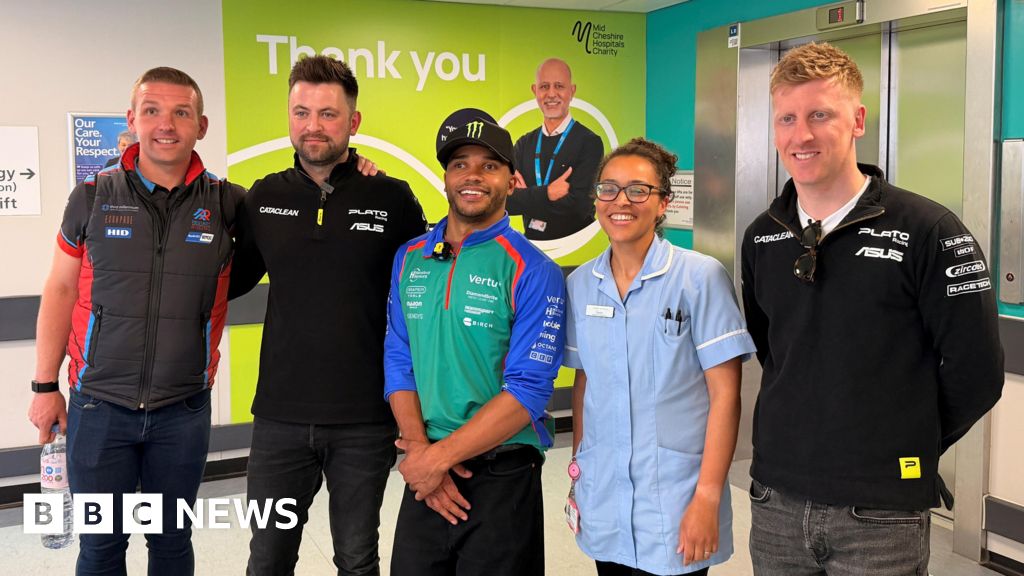
Lewis Hamilton Extends Community Outreach With Leighton Hospital Visit
Seven-time Formula 1 World Champion Lewis Hamilton has utilized a break in his competitive schedule to visit patients at Leighton Hospital, providing a morale boost to those receiving medical care. The visit underscores the intersection of elite athletic visibility and community engagement, as one of the most recognizable figures in global sport spent time interacting with both patients and healthcare staff in a National Health Service setting.
Patient Engagement and Hospital Impact
The visit was characterized by direct interaction, with Hamilton spending time speaking with individuals across various wards rather than limiting his appearance to a single photo opportunity. Hospital representatives noted that the presence of a high-profile athlete served as a significant distraction from the challenges of hospitalization, offering patients a psychological lift at a time when frontline staff continue to face sustained pressure on resources.
During the visit, Hamilton engaged with patients of various ages, bringing a level of international sporting prestige to the local clinical setting. Such interactions are often cited by healthcare providers as vital components of patient well-being, helping to reduce stress and improve the overall atmosphere of the facility. For hospital leadership, celebrity engagement of this kind can also support wider institutional goals, from staff retention and morale to community confidence in local services.
The Role of the Modern Athlete in Public Health
Hamilton’s appearance at Leighton Hospital reflects a broader trend within the Formula 1 paddock, regulated globally by the Fédération Internationale de l’Automobile (FIA), where drivers are increasingly viewed as ambassadors for social issues as well as competitors on track. The capacity for elite athletes to influence public mood and provide emotional support to vulnerable populations has become a recognised element of their professional profile, intersecting with national health priorities such as mental well-being and social inclusion.
Beyond the technical demands of racing, the ability to leverage a global platform for humanitarian or community-based efforts adds a layer of social value to an athlete’s career. In the context of high-pressure sports, these engagements serve several functions:
- Humanizing the Athlete: Breaking the barrier between the isolated environment of the cockpit and the general public, especially in public institutions such as the NHS established under the framework of the National Health Service Act 1946.
- Psychological Support: Providing aspirational motivation to patients facing long-term recovery, demonstrating visible interest from figures outside the clinical hierarchy.
- Institutional Support: Drawing positive attention to the efforts of medical staff and the functioning of public health infrastructure, often amplifying messages around resilience, prevention, and equitable access to care.
Competitive and Professional Context
Maintaining a balance between rigorous training and public appearances is a standard requirement for drivers operating at the top tier of Formula 1. For a veteran driver like Hamilton, these visits are integrated into a career trajectory that emphasizes social responsibility alongside competitive achievement, complementing his existing advocacy on diversity, inclusion, and road safety.
The timing of such visits often coincides with the gaps in the grueling global racing calendar, allowing athletes to reconnect with community interests without compromising the physical and mental preparation required for Grand Prix weekends. For teams, sponsors and regulators, this balance is increasingly seen as part of a broader social licence to operate in host countries whose public sectors, including hospitals, often shoulder the logistical and emergency-planning burdens associated with major sporting events. As scrutiny of elite sport intensifies, visible, grounded engagements such as Hamilton’s Leighton Hospital visit are likely to remain a core element in how leading athletes manage their public image and long-term professional legacy.
Related reading
