
India’s sporting day: Hockey World Cup draws set the tone as domestic football, badminton and squash add momentum
March 18, 2026 – A landmark year for Indian sport is gathering pace. With the Commonwealth Games, Asian Games and two Chess World Championship matches on the global calendar, Tuesday’s developments across hockey, football, badminton and squash sketched early storylines that will shape Indian ambitions through 2026 and, in some cases, through to the Los Angeles Olympics in 2028.
What’s on today?
What happened yesterday? (March 17, 2026)
- Hockey: India drawn with Pakistan in the men’s Hockey World Cup.
- Hockey: Indian women grouped with China and England for the Women’s Hockey World Cup.
- IFL: Rajasthan United beat Real Kashmir 1-0.
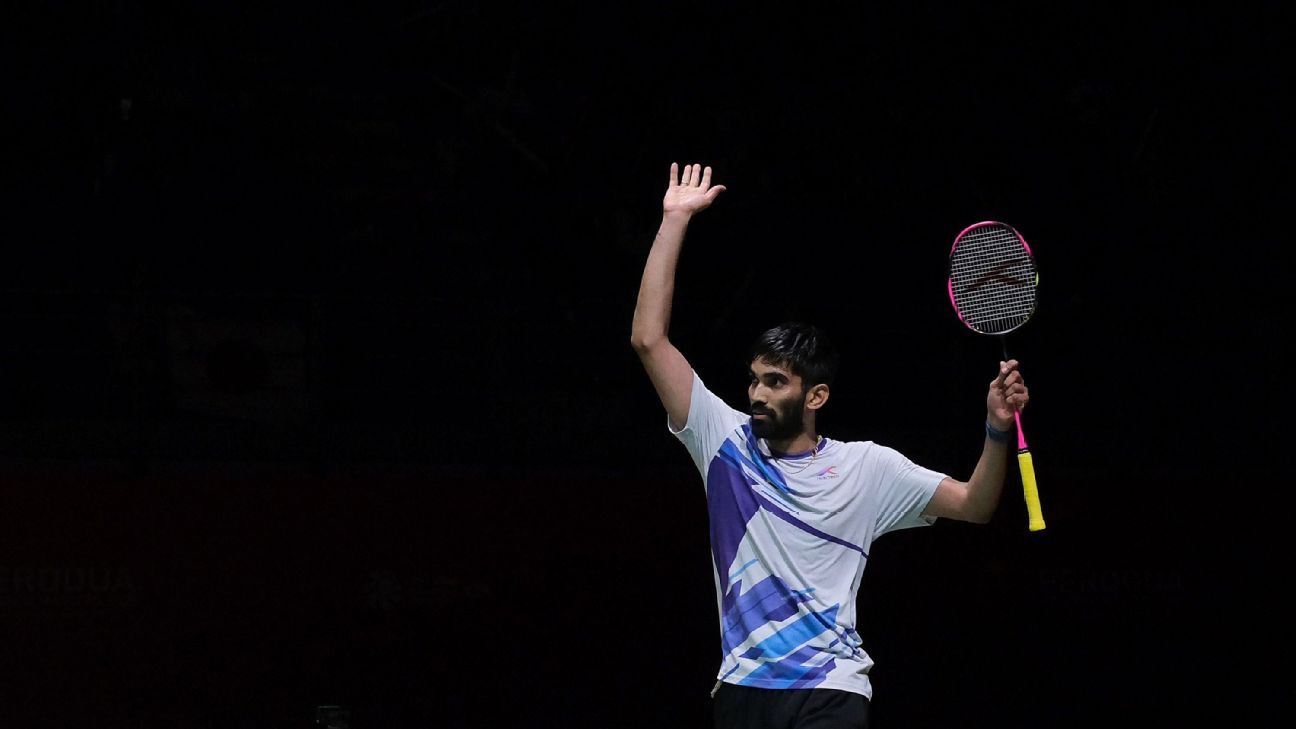
- Badminton: Aakarshi Kashyap advanced to the main draw of the BWF Orléans Masters.
- Squash: Anahat Singh underlined that with squash now on the Olympic programme, every player has Los Angeles 2028 in mind.
Hockey World Cups: rivalry and route-mapping begin at the draw
India’s men landing in the same World Cup group as Pakistan instantly elevates pool-stage stakes. Beyond a historic rivalry that carries diplomatic and security sensitivities whenever the two sides meet, a draw like this typically compresses margins: set-piece efficiency, discipline under pressure and game management in the final quarter can determine seeding for the knockouts and influence the path through crossover rounds. The draw also sharpens selection decisions around penalty-corner specialists and second goalkeeper usage in back-to-back fixtures, all of which sit under the technical and disciplinary codes of the International Hockey Federation.
For the women, a group featuring China and England frames a demanding but instructive opening phase. China provide a familiar Asian test built on structure and counter-control, while England’s high-intensity press and circle-entry volume often set a bar for defensive resilience. Navigating these contrasts can harden India’s tactical range for elimination matches-particularly around outletting under pressure and conversion from limited chances. At federation level, performance in these group games will help inform selection and central-contract decisions in the build-up to the Asian Games and future Olympic cycles.
Because formats, officiating frameworks and conduct codes for these World Cups are governed by FIH regulations, the draw is more than ceremonial positioning; it is the first competitive contour of medal campaigns that will shape how Hockey India allocates resources, plans preparatory tours and negotiates player release with domestic leagues.
Domestic football: Rajasthan United edge Real Kashmir 1-0
The 1-0 result gives Rajasthan United a clean three-point return in IFL action and, crucially, keeps them on the right side of the promotion-relegation and licensing debates that shape India’s evolving club pyramid. In tightly packed domestic tables, single-goal wins carry outsized value: they protect goal difference while flipping potential six-pointers against direct rivals. For Real Kashmir, the defeat underscores the fine balance of travel, recovery cycles and in-game set-piece concentration that can swing outcomes over a long season, especially for clubs operating out of more logistically challenging home bases.
Whichever the specific placement of both clubs in the standings, results of this profile often separate mid-table consolidation from late-season jeopardy. They can also influence how state associations and private owners think about academy investment, scouting outside metropolitan centres and compliance with national club licensing norms, all of which feed into India’s broader football governance conversation.
Badminton: Aakarshi Kashyap earns main-draw runway in Orléans
Kashyap’s progression to the Orléans Masters main draw does more than keep her week alive; it secures exposure to higher-seeded opposition and the ranking-point ceiling that comes with it on the BWF World Tour. For Indian singles depth, every main-draw appearance broadens selection conversations by evidencing match sharpness under tour conditions and sustaining momentum into the European swing, where federations typically combine performance data with Sports Authority of India funding decisions to allocate coaching and sports science support.
In a season where Paris qualification points and post-Games rebalancing are still influencing entry lists, Kashyap’s run also reinforces the case for maintaining a deep women’s singles bench beyond the established names-a key consideration as national selectors look at team-event composition for the Asian Games and future Sudirman and Uber Cup campaigns.
Squash: LA28 inclusion resets long-term targets
Anahat Singh’s emphasis on the Los Angeles 2028 Olympics captures a wider reality for Indian squash: with the sport added to the Olympic programme, domestic training blocks and international scheduling are recalibrating around multi-year qualification arcs. The immediate competitive consequence is sharper prioritisation of PSA events that align with performance benchmarks likely to be recognised in Olympic selection frameworks, while national systems weigh peaking strategies across the quadrennium.
For federations and government agencies, Olympic inclusion typically unlocks a different tier of funding, infrastructure and sports-science backing. That shifts internal conversations from individual tour planning to system design-how to structure national camps, junior pathways and foreign training stints so that promising players like Singh can convert junior promise into world-ranking positions that matter when LA28 quotas are finalised.
Why these updates matter for 2026
- Hockey: Draw dynamics influence knockout seeding, travel logistics and rest days-factors that can decide quarterfinal matchups and medal probability under FIH tournament structures. They also inform how Hockey India sequences preparatory camps, negotiates player release with domestic competitions and calibrates expectations with the sports ministry ahead of multi-sport events.
- Football: A one-goal league win typically shifts both points and psychological momentum, altering how clubs approach squad rotation and risk management in their next fixtures. In an ecosystem still refining promotion, relegation and licensing rules, such results can tilt boardroom decisions on youth investment, coaching continuity and stadium upgrades.
- Badminton: Main-draw entry changes ranking math and can trigger better placement in upcoming tournaments, compounding opportunity through the season. For administrators, those incremental gains help justify continued central funding, foreign exposure tours and specialist support staff for a broader pool of athletes.
- Squash: Olympic inclusion elevates funding and performance pathways, pushing athletes and federations to synchronise domestic programmes with international qualification criteria toward 2028. How national bodies respond over the next two seasons will go a long way in determining whether India arrives in Los Angeles as a medal outsider or a genuine podium threat.
- Big-picture 2026: With the Commonwealth Games, Asian Games and two Chess World Championship matches ahead, these day-to-day outcomes shape selection battles, federation planning and competitive readiness for India’s busiest multi-sport year in recent memory-one in which on-field performances and off-field governance decisions will be more tightly intertwined than ever.
- New Zealand Kiwis Unveil Strong Rugby League World Cup Squad Featuring Ponga, Gagai, and Key Debutants
- Aidan Forker Retires: Armagh’s All-Ireland Winning Captain Ends 15-Year Inter-County Career
- Oppo F35 Pro, F35 launched in India with 8,000mAh battery, 50MP selfie camera (globallypulse.com)
- Mauritius secured the bronze medal in the mixed team event at the U19 All Africa Badminton (archysport.com)
