
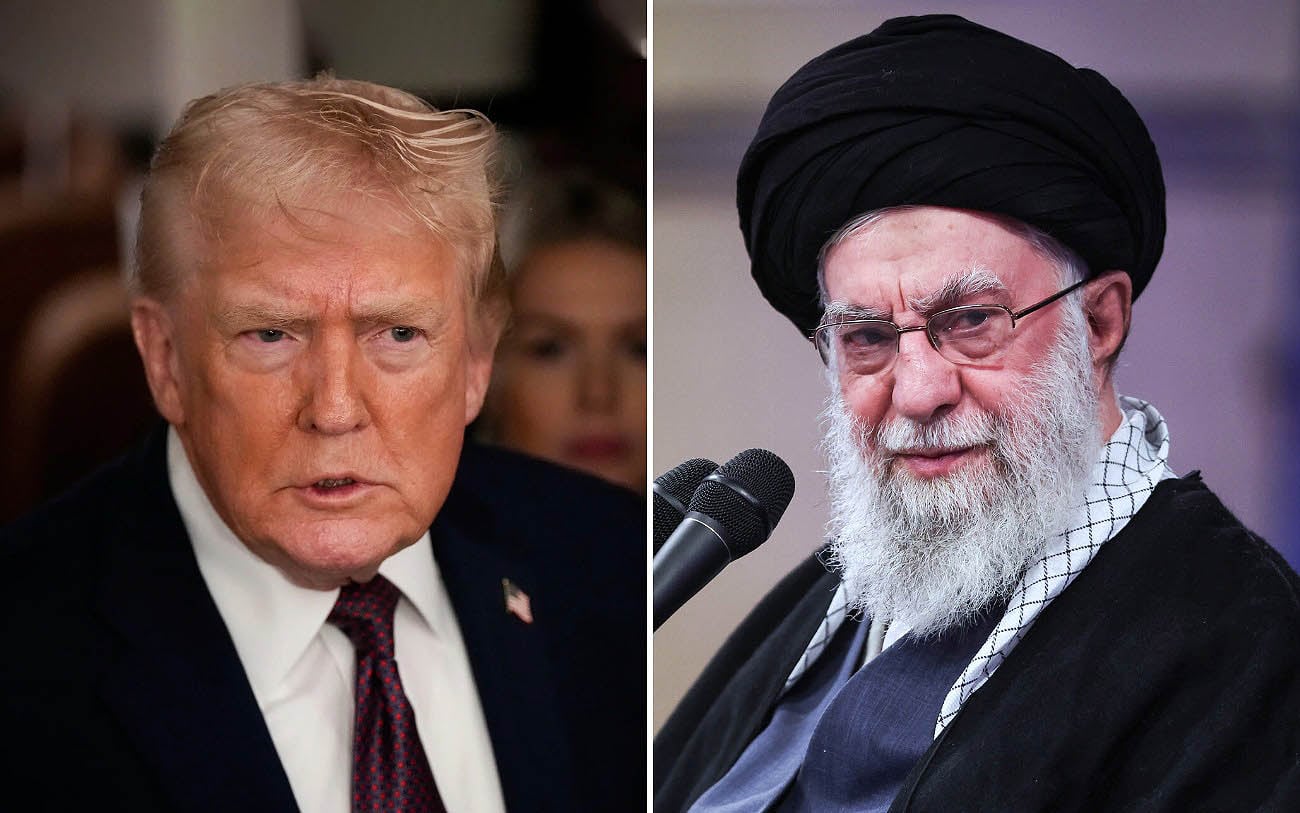
WASHINGTON – The United States and Iran have indicated they are prepared to open negotiations aimed at reducing tensions, with a first contact tentatively eyed for Ankara as early as this week, while Israeli leaders held high-level consultations on regional readiness on February 1, 2026.
Officials said the administration of US President Donald Trump is open to talks in the coming days, and that Turkey, Egypt and Qatar are working to assemble a meeting between White House special envoy Steve Witkoff and Iranian officials in Turkey’s capital. The prospective encounter would mark the first organized channel since a brief war last year between Israel and Iran.
Why the opening matters now
The outreach follows a recent US force buildup in the Middle East that Trump has described as a “massive armada,” and comes amid explicit warnings from Iran’s leadership about the potential for a broader conflict if attacked. It also comes as both countries face scrutiny under the global nonproliferation regime, anchored in the Treaty on the Non-Proliferation of Nuclear Weapons, to which Iran is a party and under which Washington has long pressed Tehran to accept tighter inspections and limits on enrichment.
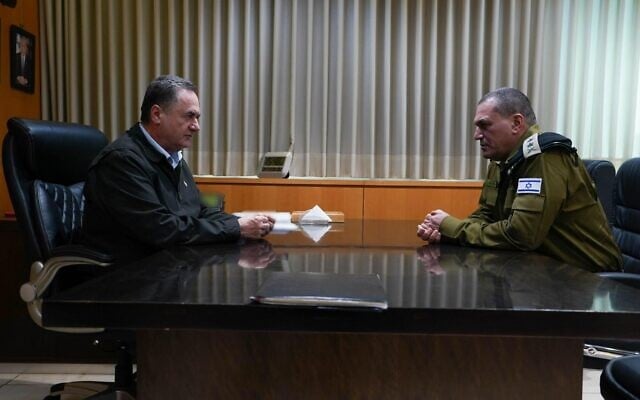
The same weekend, Israeli Prime Minister Benjamin Netanyahu convened his security chiefs in Tel Aviv after the Israel Defense Forces’ top officer returned from consultations in Washington, underscoring how decisions in Washington and Tehran are being closely calibrated with Israeli threat assessments.
Mediators assembling a path to Ankara
Regional intermediaries have moved quickly to translate the signals into a concrete channel:
– Prospective venue: Ankara, Turkey
– Organizers: Turkey, Egypt, Qatar
– Proposed US participant: White House special envoy Steve Witkoff
– Timing discussed: As soon as the week beginning February 2, 2026
A senior American official said the administration has made clear its readiness for such a meeting this week. No agenda or terms were released, and it is not yet clear whether the talks would be exploratory or launch a structured negotiating track.
Signals from Washington
Responding on February 1, 2026 to a same-day warning from Iran’s Supreme Leader Ali Khamenei that a US strike could trigger a regional war, Trump told reporters the door to a deal was real and not a prelude to an imminent operation.
“Why wouldn’t he say that? Of course he is going to say that. We have the biggest, most powerful ships in the world over there, very close – a couple of days [away]…. Hopefully we’ll make a deal. If we don’t make a deal, we’ll find out whether or not he was right,” Trump told reporters.
US officials said calls for a deal are genuine, casting diplomacy as the preferred path even as the Pentagon maintains heightened readiness. They also pointed to last year’s 12‑day Israel-Iran war-sparked by a surprise Israeli strike-recalling disclosures by an Israeli official that pre-war messaging from Washington, which appeared to downplay the probability of an attack, formed part of a deception effort. That history has sharpened questions in allied capitals about how the administration balances public diplomacy, congressional consultation and operational secrecy when it moves toward the use of force.
Tehran’s stated scope for talks
Speaking on CNN on February 1, 2026, Iranian Foreign Minister Abbas Araghchi said he believes an understanding with Washington on Iran’s nuclear program is achievable. He described ongoing contacts through partners as productive while making clear Tehran’s red lines.
– On potential for agreement: Araghchi said he is “confident that we can achieve a deal.”
– On trust: “Unfortunately, we have lost our trust [in] the US as a negotiating partner,” Araghchi said, while still citing “fruitful” talks via mutual partners.
– On the agenda: He stressed focus on the nuclear file and not on Iran’s ballistic missiles or support for allied groups. “Let’s not talk about impossible things,” he said. “And not lose the opportunity to achieve a fair and equitable deal to ensure no nuclear weapons. That as I said, is achievable even in a short period of time.”
Iran has long denied seeking nuclear weapons. Under the NPT, it argues it is entitled to develop nuclear energy for peaceful purposes, while US and Israeli officials have accused Tehran of enriching uranium to levels with no credible civilian purpose, limiting access for international inspectors, and expanding ballistic capabilities. The scope of any Ankara talks will therefore test whether Washington is prepared to sequence its broader demands on missiles and regional militias or insist they be addressed alongside the nuclear file.
Israeli consultations and assessments
Netanyahu met late February 1, 2026 with IDF Chief of Staff Lt. Gen. Eyal Zamir after Zamir returned from meetings with US officials in Washington focused on Iran. Defense Minister Israel Katz and Mossad Director David Barnea also took part, according to Israeli officials and media reports.
– Hebrew media accounts from February 1 indicated a belief among some Israeli interlocutors that the US was closer to an attack on Iran than a week earlier, though the possible scope was unclear.
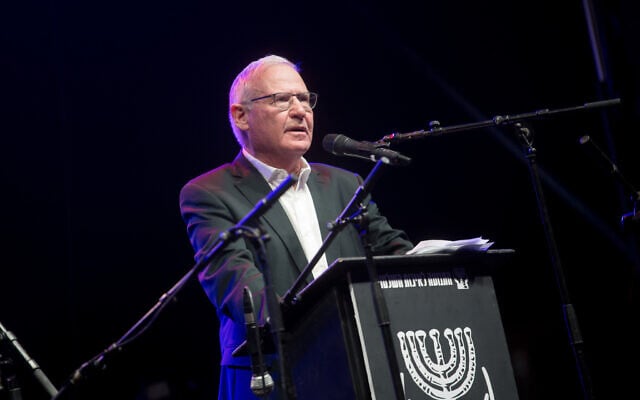
– Former IDF military intelligence chief Amos Yadlin told Channel 12 that Western assumptions about deterrence may not apply, urging the IDF to prepare “as though there is going to be a surprise.”
Yadlin said the IDF is working closely with the US military, sharing operational lessons from last year’s fighting, including Israeli strikes that he said destroyed more than 200 Iranian missile launchers. He added that Israel and the US would need effective deconfliction mechanisms in the event of new hostilities and emphasized the importance of trust between Zamir and US Gen. Dan Caine, chairman of the US Joint Chiefs of Staff.
For Israel’s war cabinet, the emerging Ankara channel is therefore being weighed less as a distant diplomatic process and more as a factor that could either delay or frame decisions on pre-emptive or retaliatory action if Iran resumes large-scale missile launches.
US military movements and messaging
After a recent surge of assets to the region, the US Navy confirmed February 1 that the guided-missile destroyer USS Delbert D. Black, which had anchored at Israel’s Red Sea port of Eilat on January 30, 2026, has departed following a scheduled port call.
“This port visit demonstrates US and Israel’s strong maritime partnership and shared commitment to advancing security and prosperity in the Mediterranean Sea, Gulf of Aqaba, and the Red Sea,” US Naval Forces Central Command said. Israeli officials said the visit had been planned in advance as part of routine cooperation, even as the broader deployment of US carrier and bomber forces has been framed by the administration as necessary to protect shipping lanes and reassure regional partners.
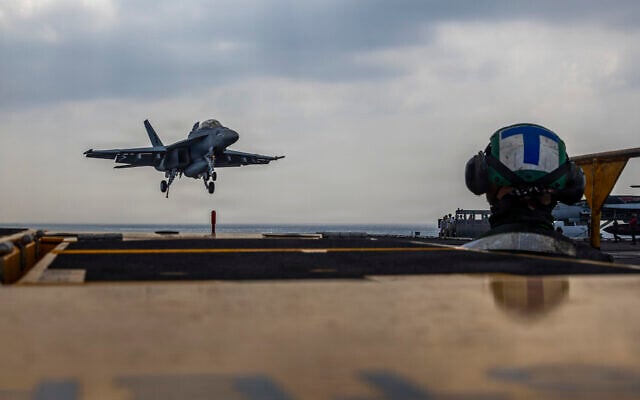
Beyond the Red Sea, US officials say additional assets under US Central Command are positioned to both defend regional bases and support any future enforcement of a renewed nuclear accord, for instance through maritime interdictions or rapid reinforcement of air defenses.
What leaders have said so far
– Ali Khamenei (February 1, 2026): Warned that a US attack could trigger a regional war and said “all options are on the table” if Washington strikes.
– Donald Trump (February 1, 2026): Said he hopes for a deal, described regional US naval power as “very close – a couple of days [away],” and has repeatedly claimed Iran is now “seriously talking” to Washington.
– Abbas Araghchi (February 1, 2026): Said a nuclear-focused agreement is achievable in a short period and rejected expanding talks to missiles or regional proxies.
– Amos Yadlin (February 1, 2026): Advised the IDF to be prepared for unexpected action by Iran and highlighted first-strike advantages seen in recent conflicts.
As of February 2, 2026, mediators from Turkey, Egypt and Qatar were working to organize a US-Iran meeting in Ankara, and the USS Delbert D. Black had departed Eilat after a scheduled visit, according to officials and public statements. Any Ankara encounter would unfold against the backdrop of months of US-Iran brinkmanship, including threats of regional war, mass protests inside Iran and sustained economic sanctions, leaving diplomats little margin for miscalculation as they test whether this opening can be turned into a structured negotiation.
Related reading
