
BULELENG – Umeanyar Village in Buleleng Regency has officially transitioned into a nature, culture, and religion-based tourism hub following a formal Decree (SK) issued by the Regent of Buleleng.
The designation allows the community to formally develop its infrastructure and marketing to attract visitors to North Bali, focusing on a diversified portfolio of marine biodiversity, agriculture, and spiritual sites. The move aligns with Indonesia’s village-based tourism framework under the National Tourism Law, which encourages local administrations to certify and regulate community-led destinations.
The initiative is also part of a broader provincial effort to distribute tourism traffic across Bali, easing pressure on the saturated southern hubs and complementing established North Bali sites such as Lovina Beach and Pemuteran Village. Local officials see Umeanyar’s new status as a test case for more balanced, sustainability-focused growth.
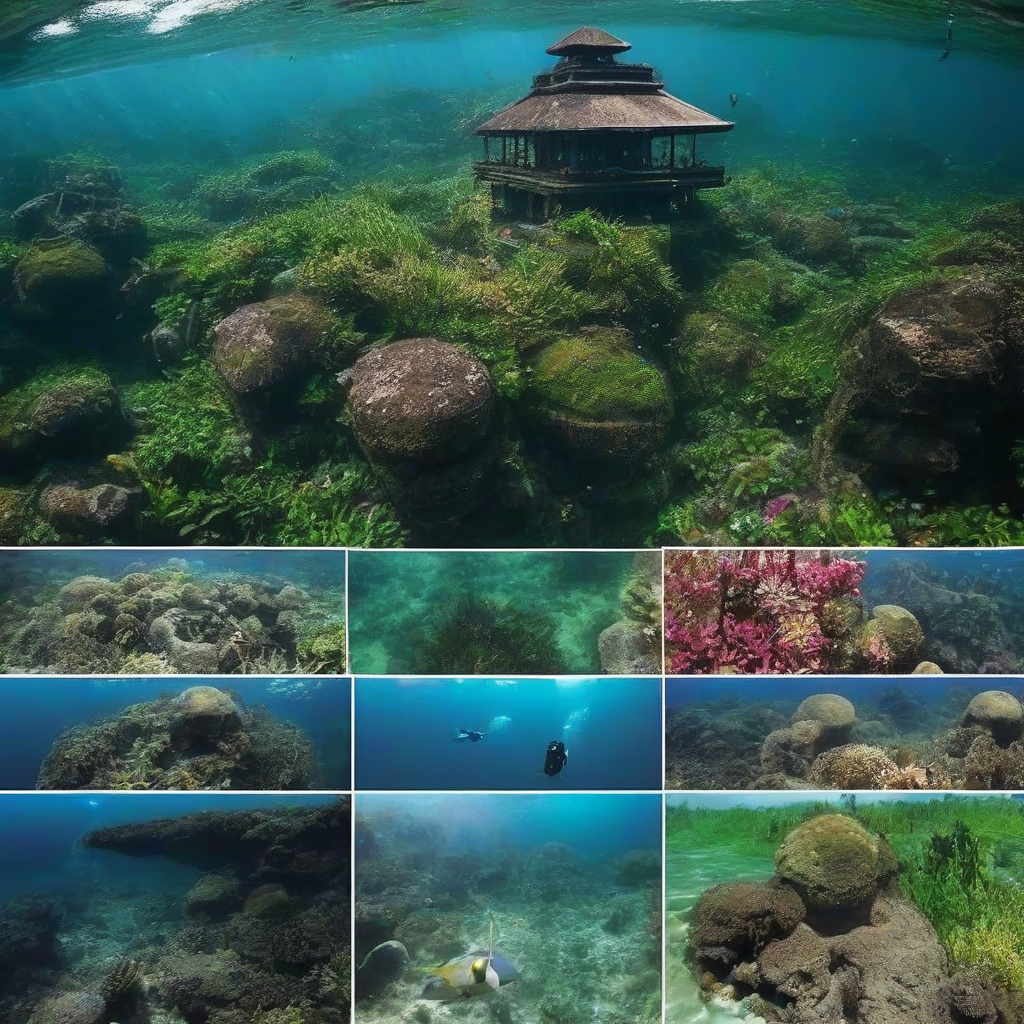
Marine Biodiversity and the Purijati Dive Site
A primary driver of the village’s tourism strategy is the Purijati Dive Site. According to Putu Edy Mulyana, the Head of Umeanyar Village, the area is a critical habitat for the mimic octopus, a rare cephalopod known for its ability to impersonate other marine species.
“This mimic octopus is only found in our area and in the Bunaken area, Sulawesi. This is a very limited species,” Mulyana said, adding that the village wants to position Purijati as a specialist destination for macro and conservation-focused diving rather than high-volume mass tourism.
To protect this biodiversity, the village has partnered with environmental communities and community watchdog groups, known as Pokmaswas. These groups have implemented a specific conservation framework to ensure that increased tourist arrivals do not degrade the reef system and nearshore waters.
Conservation measures currently in place include:
- Installation of boundary buoys to separate diving zones from fishing activities and boat traffic.
- Construction of hexagon-shaped fish houses to provide additional habitat for reef species.
- Deployment of underwater concrete structures to support coral reef protection and natural regeneration.
- A strict ban on the use of poison for fishing, backed by community monitoring and village regulations.
Mulyana stated, “We have also sterilized the area from the practice of fishing using poison. Now it is much more protected.” Village authorities say these measures will be written into local customary rules and tourism guidelines so that operators and visitors face clear expectations.
Diversification via Agrotourism and Culture
The village government is attempting to move beyond a sole reliance on diving. The development plan includes the integration of spiritual tourism and agrotourism, utilizing approximately 80 hectares of active agricultural land and temple complexes in and around the village.
Current agricultural offerings center on rice and secondary crops, with grape-picking tours now available to the public. These programs are being developed in coordination with local farmer groups so that tourism revenue flows back into smallholder livelihoods rather than bypassing the community.
These efforts are designed to create a “full-day village experience” that combines dolphin watching along the North Bali coast, seafood consumption based on locally sourced catch, and participation in cultural activities such as temple visits, traditional performances, and craft workshops.
Mulyana noted that the goal is for the tourism model to “remain natural, at one with nature and the community’s culture,” emphasizing that spiritual ceremonies and village customs will set the rhythm for visitor activities rather than the other way around.
Infrastructure and Accessibility
To accommodate the influx of visitors, Umeanyar Village has expanded its lodging capacity. The community currently manages approximately 34 villas and one three-star hotel, most of which operate under village-level permits and revenue-sharing arrangements that contribute to local development funds.
The village is located a 30-minute drive from Lovina Beach and is accessible via the main north-coast road, positioning it as an add-on stop for existing North Bali itineraries. Regional lodging options for visitors to the area include the Mayo Resort North Bali, Zen Resort Bali, and Nalika Beach Resort, which are being encouraged to integrate Umeanyar stops into their guest activities.
The village government is currently collaborating with the Buleleng Regency Tourism Office and local businesses to develop integrated tour packages for visitors. Officials say the next phase will focus on formal visitor management guidelines and carrying-capacity limits, informed by both national regulations and emerging best practices for community-based tourism.
Related reading
