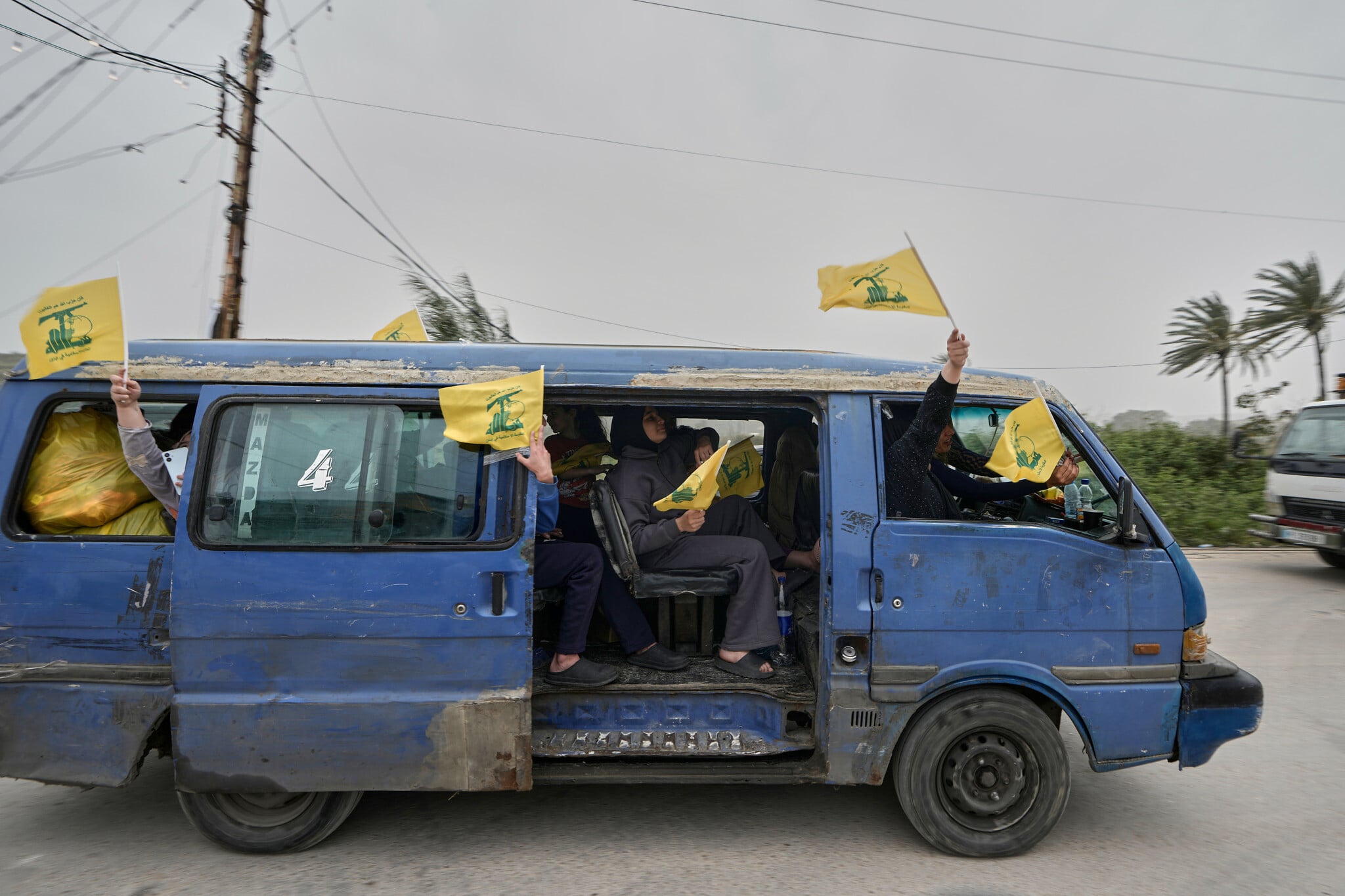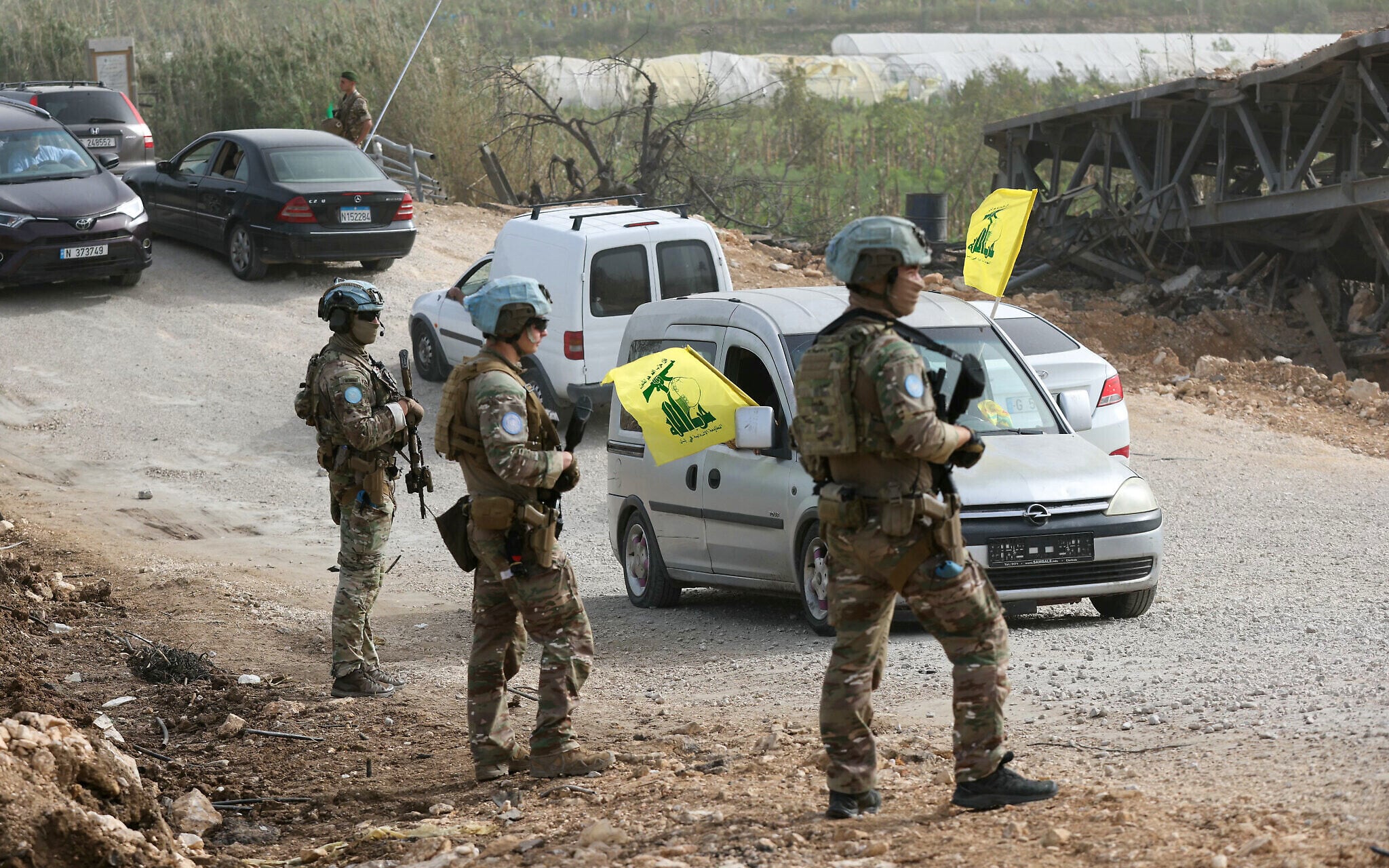
BEIRUT – French President Emmanuel Macron has explicitly blamed Hezbollah for the death of a French soldier following an ambush on United Nations peacekeepers in southern Lebanon on April 18, 2026.
The killing of Staff Sergeant Florian Montorio occurs less than 48 hours after U.S. President Donald Trump announced a 10-day ceasefire intended to halt more than six weeks of war between Israel and the Iran-backed group.
The UNIFIL (United Nations Interim Force in Lebanon) patrol was operating in the village of Ghanduriyah on the morning of April 18, attempting to clear explosive ordnance to restore links with isolated UNIFIL positions. The force reported that the patrol came under small-arms fire from “non-state actors.” The mission, deployed under UN Security Council Resolution 1701, is mandated to monitor the cessation of hostilities and support the Lebanese state’s authority in the south.
“This morning, a UNIFIL patrol clearing explosive ordnance along a road in the village of Ghanduriyah to re-establish links with isolated UNIFIL positions came under small-arms fire from non-state actors. Tragically, one peacekeeper succumbed to his injuries and three others were injured, two of them seriously,” the observer force said in a statement.
This morning, a UNIFIL patrol clearing explosive ordnance along a road in the village of Ghanduriyah to re-establish links with isolated UNIFIL positions came under small-arms fire from non-state-actors.
– UNIFIL (@UNIFIL_) April 18, 2026
Military and Diplomatic Response
President Macron took to X to identify the perpetrators, stating, “Everything points to Hezbollah being responsible for this attack,” while urging Lebanese authorities to arrest those involved and to provide security guarantees for all French and international personnel serving under the UN flag.
France’s armed forces minister Catherine Vautrin provided further details on the engagement, describing the incident as an “ambush” carried out by an armed group at very close range. Vautrin stated that Montorio died from a “direct gunshot” and noted that the outpost the unit was attempting to reach had been cut off for several days due to combat in the area. French officials stressed that the patrol had been clearly marked as a UNIFIL unit and was engaged in a humanitarian, non-combat task of route clearance.
Le Sergent-chef Florian Montorio du 17eme régiment du génie parachutiste de Montauban est tombé ce matin au sud-Liban lors d’une attaque contre la FINUL.
<p>Trois de ses frères d’armes sont blessés et ont été évacués. </p>La Nation s’incline avec respect…
– Emmanuel Macron (@EmmanuelMacron) April 18, 2026
In the wake of the attack, Macron held phone calls with Lebanon’s President Joseph Aoun and Prime Minister Nawaf Salam to demand guarantees for the security of UNIFIL soldiers and assurances that freedom of movement for the mission will be preserved.
- President Joseph Aoun: Condemned the incident and vowed that Beirut “will not hesitate to pursue those involved and bring them to justice,” framing the attack as a direct assault on Lebanese sovereignty and on international commitments to host UN forces.
- Prime Minister Nawaf Salam: Confirmed he has ordered an investigation into the attack and promised to coordinate closely with UNIFIL’s command structure and judicial authorities.
- Speaker Nabih Berri: A Hezbollah ally, Berri condemned the attack and contacted UNIFIL Force Commander General Diodato Abagnara to offer condolences, praising the sacrifices of the French contingent and stressing parliament’s support for the mission’s continued presence.
Hezbollah has denied any involvement in the ambush. The group called for “caution in issuing judgments and responsibilities regarding the incident” and expressed “surprise at the [parties] that rushed to throw accusations arbitrarily.” The denial sets up a direct confrontation of narratives between the powerful Shiite movement and the French government at a time when UNIFIL’s ability to operate already faces intense political scrutiny.
Regional Conflict Context
The attack follows a period of intense escalation in southern Lebanon. The current conflict began on March 2, when Hezbollah launched attacks against Israel to avenge the death of Iranian supreme leader Ali Khamenei. Israel responded with extensive airstrikes and a ground offensive, turning long-contested border areas into an active war zone in which UN peacekeepers, Lebanese civilians and Israeli communities have all been exposed to heavy fire.
The security environment for peacekeepers has deteriorated significantly:
- Recent Casualties: Last month, three Indonesian peacekeepers were killed. A preliminary UN investigation determined one died from Israeli tank fire and two others were killed by an improvised explosive device likely planted by Hezbollah, underscoring the multiplicity of armed actors and threats confronting the mission.
- UNIFIL Mandate: The force is tasked with monitoring hostilities along the border, supporting the Lebanese Armed Forces in the south and helping ensure that the area between the Litani River and the Blue Line is free of unauthorized weapons. Its mandate, renewed annually by the Security Council, is currently scheduled to be reviewed toward the end of 2026.
- Israeli Position: Israel has consistently argued that UNIFIL has failed to prevent Hezbollah from building military infrastructure near the border and has pressed for stricter enforcement provisions, including stronger reporting requirements and greater freedom of movement for patrols.
Senior Hezbollah official Mahmud Qamati recently dismissed planned direct talks between Lebanon and Israel, labeling them a failure and insisting that any arrangements affecting the border must pass through Lebanese state institutions rather than separate security understandings.
UNIFIL has launched an official investigation to determine the exact circumstances surrounding the April 18 ambush. Its findings are expected to feed into internal UN deliberations and discussions among troop-contributing countries over whether current rules of engagement and force protection measures are sufficient for a mission increasingly caught between a major regional conflict and fragile Lebanese governance.
- Urban Infrastructure Resilience: How European and Asian Megacities Are Adapting to Extreme Climate Oscillations in 2026
- UN General Assembly 2026 Framework on Autonomous Systems: International Diplomacy Faces Algorithmic Governance
- Kylian Mbappé Targeted by French Far-Right After Ceuta T-Shirt Controversy (archysport.com)