
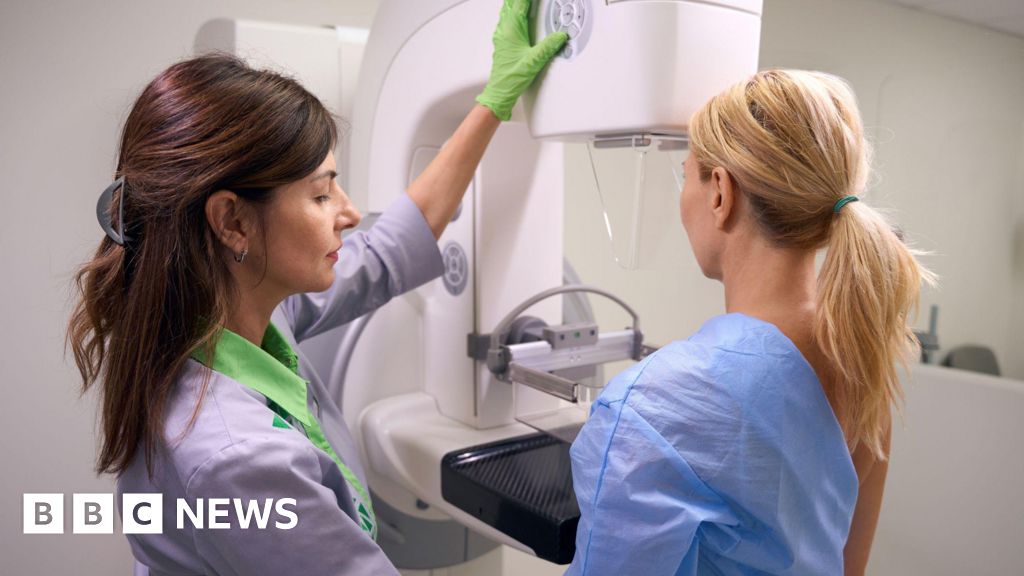
A national genetic risk register is being created to help identify people in England who are more likely to develop cancer and to organise follow‑up screening and personalised care. The NHS initiative will consolidate information on 120 inherited cancer‑predisposition genes into a single, secure system and use it to contact eligible patients and families for routine surveillance and, where appropriate, preventive interventions and treatment selection.
A single register to coordinate inherited cancer risk
NHS leaders describe the new National Inherited Cancer Predisposition Register as a way to bring together testing already available across services into one place designed for long‑term care planning. One senior cancer official said it is “the first time any health care system has brought together all the information about all the genetic risk into a single place.” The aim is to make risk identification, recall and follow‑up more systematic across England’s health service, and to support delivery of the government’s wider cancer and genomics strategy.
| Element | Details |
|---|---|
| Scope | Register of 120 genes linked with increased likelihood of cancer; integrates people already tested through NHS services and future eligible patients. |
| Primary uses | Identify inherited risk; schedule routine check‑ups and screening; flag eligibility for targeted therapies and clinical trials; support personalised care pathways. |
| Programme horizon | Built as part of a 10‑year plan to strengthen cancer prevention, early diagnosis and treatment. |
| Initial clinical focus | Screening and surveillance for cancers including breast, prostate, colorectal and gynaecological cancers, with expansion as evidence and services mature. |
| Operational home | Integration with the NHS cancer and genomics infrastructure, including the national Genomic Medicine Service and regional cancer alliances. |
How it is expected to work for patients and families
The register is designed to formalise what is currently a patchwork of local approaches into a national, rules‑based system.
- People with a personal or family history of cancer who undergo NHS genetic testing and are found to have inherited risk will be added to the register, subject to consent and existing legal safeguards.
- Those at increased risk will be contacted for routine surveillance and screening at intervals aligned with national pathways and evidence‑based guidelines.
- Clinicians will be able to review eligibility for new diagnostics and treatments as they are rolled out, with the system designed to “keep tabs on people” and offer “incredibly confidential and secure” follow‑up over decades.
- Participants will receive tailored information about steps that can lower risk or support early detection, within recognised public‑health guidance, and will be supported to share relevant information with at‑risk relatives.
Clinical context: what “inherited risk” generally means
Only a minority of cancers are caused by inherited variants, but when they are present the impact on risk and on care pathways can be substantial.
- Examples of genes with well‑established cancer associations include BRCA1/BRCA2 (higher risk of breast, ovarian and other cancers) and genes implicated in Lynch syndrome such as MLH1, MSH2, MSH6 and PMS2 (higher risk of colorectal, endometrial and related cancers).
- Identifying a pathogenic variant can change screening intervals and modalities and, in some cases, inform use of targeted or immunotherapies and risk‑reducing surgery.
- Mismatch‑repair deficiency common in Lynch‑associated tumours predicts responsiveness to certain immune checkpoint inhibitors, a pathway already used in NHS care.
Lessons from Lynch syndrome: proof of concept for proactive surveillance
Officials point to the existing national Lynch syndrome initiative as evidence that a systematic genetic approach can shift outcomes at scale.
- A prior national effort on Lynch syndrome enabled routine preventive screening for thousands of people identified as higher risk, including regular colonoscopy and enhanced symptom awareness.
- A patient diagnosed with bowel cancer described receiving immunotherapy after a Lynch diagnosis, calling the finding “the key to my recovery”.
- The new register extends this model beyond a single syndrome, with the intention of creating a consistent national offer across multiple inherited cancer‑predisposition genes.
Privacy, governance and the use of health data
Officials emphasise strong confidentiality and stress that the register will sit inside existing data‑governance frameworks rather than outside them. In England, identifiable health data are managed under UK data‑protection law, the common‑law duty of confidentiality, and NHS information‑governance standards.
| Policy and governance | How it applies to a national genetic register |
|---|---|
| UK data‑protection law | Genomic data processing must have a clear legal basis, purpose limitation and robust security under the Data Protection Act 2018 and UK GDPR, with particular safeguards for “special category” health data. |
| Caldicott principles and NHS confidentiality | Use the minimum necessary information, with oversight by Caldicott Guardians and role‑based access to protect patient identity while enabling safe care. |
| Data security and accountability | Controls aligned with the NHS Data Security and Protection Toolkit; audit trails for access, updates and contacts, and clear lines of accountability for data controllers and processors. |
| Consent and transparency | Clear, plain‑language information on how data are used for recall, screening, family communication and potential eligibility for treatments, including how individuals can exercise data rights. |
Implications for screening, treatment and system capacity
For policymakers and NHS leaders, the register is as much an operational reform as a clinical one, with implications for workforce, funding and performance targets.
- Earlier detection: systematic recall of those at elevated risk can increase the proportion of cancers diagnosed at earlier stages, supporting national ambitions to improve survival and reduce emergency presentations.
- Optimised treatment: test results can direct patients toward therapies more likely to work for their tumour biology and avoid ineffective or unnecessary treatments.
- Continuity: a single register supports long‑term follow‑up as people age, move across regions and as evidence evolves, reducing the risk that high‑risk families are lost to follow‑up.
- Workforce: scaling will require genetic counsellors, clinical geneticists, oncology specialists and informatics teams trained in hereditary cancer pathways, with commissioners needing to plan for sustained demand.
- Interoperability: integration with laboratory systems, primary care records and cancer pathways is critical to avoid duplication, missed invitations and delays in surveillance.
Equity and access: risks to watch and how services can respond
Because genomic medicine can entrench inequalities if access is uneven, equity has emerged as a central test for the programme.
- Unequal referral and testing rates across regions or communities can widen disparities; consistent eligibility criteria, monitoring of uptake and culturally competent outreach are essential.
- Family cascade testing requires clear communication and support so relatives understand options and implications, including those who may be outside England but connected to families enrolled on the register.
- Digital inclusion matters: alternative contact routes should be available for people who do not use online services, with flexibility for paper communication, telephone support and in‑person appointments.
What leaders and advocates are saying
Health Secretary Wes Streeting said the “world‑leading genetic register” will enable more targeted prevention and earlier detection. “One in every two people will get cancer in their lifetime but that does not mean the chances are random – many people face a higher risk through the genes they inherit. And while we cannot do anything about inherited genes, we can do something about what we do with that information.” He called the initiative a “life‑changing and life‑saving” tool that will “fast‑track screening and allow more cancers to be caught sooner.” He added: “This register won’t just supercharge innovation – it will be life changing and life-saving, allowing the NHS to develop individual care, fast-track screening and tailored information to enable more cancers to be caught earlier.”
NHS England’s national cancer director said the register brings existing susceptibility testing together “so that we can contact people to offer them screening and in some cases preventative treatment” and to “keep tabs on people” for new diagnostics and therapies as they emerge, while keeping the system “incredibly confidential and secure”. He acknowledged learning one’s risk can be “very daunting”, but stressed the benefit of picking up disease as early as possible.
The move was welcomed by patient advocates. One charity leader said the change would “transform the lives of women who are at increased risk of breast cancer due to their family history or genetics” and urged “joined-up care” so that genetics clinics, screening services and oncology teams act on the same information at the same time.
Key facts at a glance
- Register purpose: identify people with inherited cancer risk and coordinate proactive surveillance and personalised care across England.
- Genes covered: 120 cancer‑predisposition genes incorporated into a single national system, spanning well‑known syndromes and rarer conditions.
- Care pathway components:
- Routine check‑ups and screening invitations for those at elevated risk, triggered by national protocols.
- Eligibility assessment for targeted treatments or trials as evidence develops and technologies are approved.
- Tailored information for patients and families, including support for informed decision‑making.
- Related initiative: national Lynch syndrome programme demonstrating feasibility of large‑scale preventive screening and informing the register’s design.
- Patient experience: one individual with bowel cancer described a Lynch diagnosis as “the key to my recovery”, illustrating how a genetic finding can change treatment options.
- System design: long‑term infrastructure to support earlier detection, consistent follow‑up, and secure data handling within England’s existing legal and regulatory framework for health data.
