
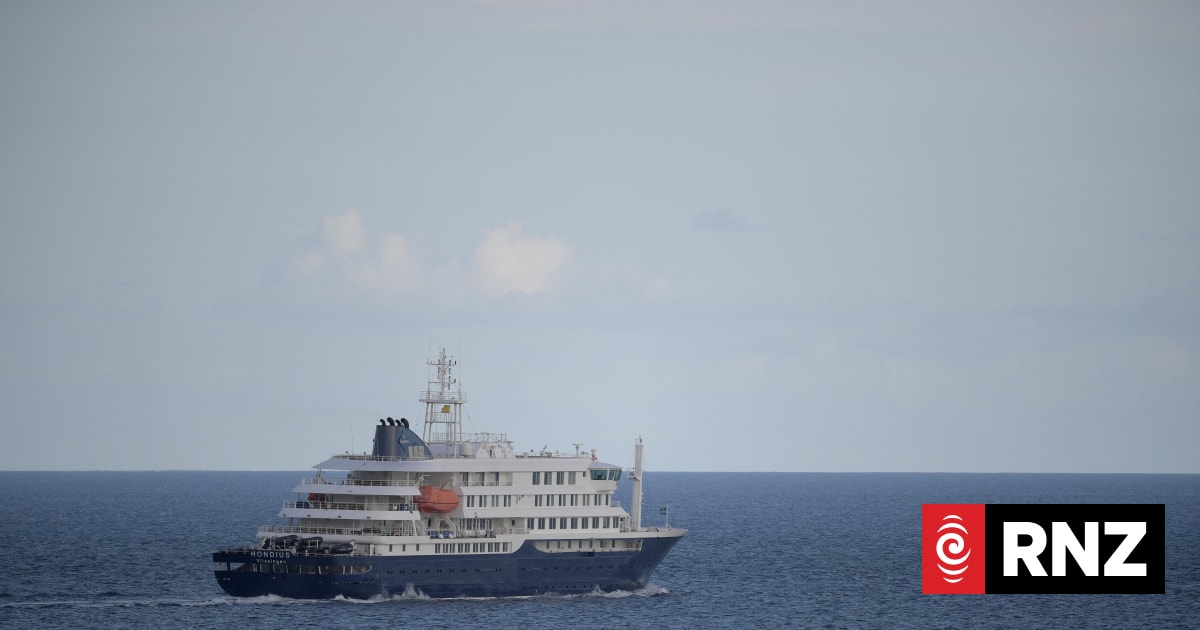
Containment Protocols and Resource Mobilization
Six passengers, including one New Zealander and five Australians, have concluded a six-week mandatory quarantine period in Perth, Australia, following their exposure to a hantavirus outbreak aboard the expedition cruise vessel MV Hondius. The resolution of this quarantine marks the end of a stringent public health intervention designed to prevent the community transmission of a rare but potentially lethal zoonotic pathogen.
The management of the cohort required a coordinated institutional response, involving the relocation of specialized personnel from the Darwin-based National Critical Care and Trauma Response Centre to a dedicated facility near Perth that was reconfigured for high-consequence infectious disease management. This mobilization underscores the capacity of national health systems to surge critical care infrastructure across state borders, rapidly deploy specialist teams, and maintain secure isolation for potential carriers of high-risk infectious diseases.
Australian Health Minister Mark Butler highlighted both the operational challenges and the cooperation of the passengers during the restrictive period, stating, “I really want to thank them for the extraordinary way in which they’ve cooperated with this mandatory quarantine order. They’ve maintained good spirits,” and adding, “And I want to thank them for the sacrifice that they have made not to return to their home and their families and their communities as quickly as I’m sure they would have liked to do…” His comments reflect the political sensitivity of extended quarantine decisions, which must balance individual hardship against the broader imperative of public protection.
Clinical Profile and Outbreak Impact
Hantaviruses are rodent-borne pathogens typically transmitted to humans through the inhalation of aerosolized virus particles from infected rodent urine, droppings, or saliva. While rare, these infections can lead to severe respiratory or renal failure depending on the specific strain of the virus, and are classified in many jurisdictions as notifiable conditions that trigger mandatory reporting to health authorities. In the case of MV Hondius, the public health response was framed by internationally agreed guidance from the World Health Organization and implemented through national health protection frameworks designed to ensure early detection, global surveillance, and rapid containment in line with the International Health Regulations (2005).
The epidemiological data associated with the cruise ship outbreak indicates a significant mortality rate among those infected and illustrates how quickly a localized exposure can escalate into an international concern:
| Metric | Value/Status |
|---|---|
| Total Reported Cases Linked to MV Hondius | 13 |
| Fatalities | 3 |
| Most Recent Confirmed Case (Spain) | Four weeks prior to passenger release |
| Quarantine Duration (Perth Cohort) | Six weeks |
| Final Testing Status (Perth Cohort) | Negative |
Health officials stress that the relatively small number of cases belies the operational impact on national systems: a single infected traveler disembarking from an international vessel can require weeks of follow-up testing, contact tracing, and coordination between maritime authorities, state health departments, and foreign governments.
Regulatory Oversight and Biosecurity
The decision to release the passengers was based on repeated negative test results, the expiry of the maximum incubation period, and the consensus of the Australian Health Protection Committee (AHPC). The involvement of chief health officers across multiple jurisdictions ensures that the release of quarantined individuals aligns with national biosecurity standards and minimizes the risk of introducing the pathogen into new populations. In practice, this meant subjecting each passenger to a nationally consistent risk assessment before authorizing their return to normal life.
“We’re very confident, the AHPC (Australian Health Protection Committee), our chief health officers from all jurisdictions are very confident that these six passengers, five Australians, one New Zealander, are completely free of this virus and will be free to return home and not subject to any ongoing arrangements from a health point of view,” Butler said. His statement effectively serves as a public assurance that the science-based thresholds for ending isolation have been met.
The intersection of international travel, cruise tourism, and zoonotic disease requires robust regulatory oversight to manage the risk of “imported” outbreaks. Under Australia’s biosecurity regime, including the federal Biosecurity Act 2015, governments can impose mandatory quarantine, restrict movements, and designate specialized facilities when a listed human disease is suspected. In this instance, the use of a dedicated, restaffed facility served as a critical barrier between the exposed passengers and the general public, demonstrating the application of the precautionary principle in public health governance and the capacity to escalate controls at short notice.
While New Zealand’s Ministry of Foreign Affairs and Trade has declined to provide specific details regarding the return of their citizen for privacy reasons, the ministry confirmed that assistance and consular support remained ongoing throughout the process, underscoring the quiet but essential diplomatic work that often accompanies cross-border health events. The psychological impact of prolonged isolation was mitigated through managed activities and supervised outdoor time; the Minister noted that the walks made a big difference to everyone’s wellbeing, highlighting that mental health considerations are now a standard part of long-duration quarantine planning as governments refine their playbooks for managing future biological threats.
Related reading
