
LONDON –
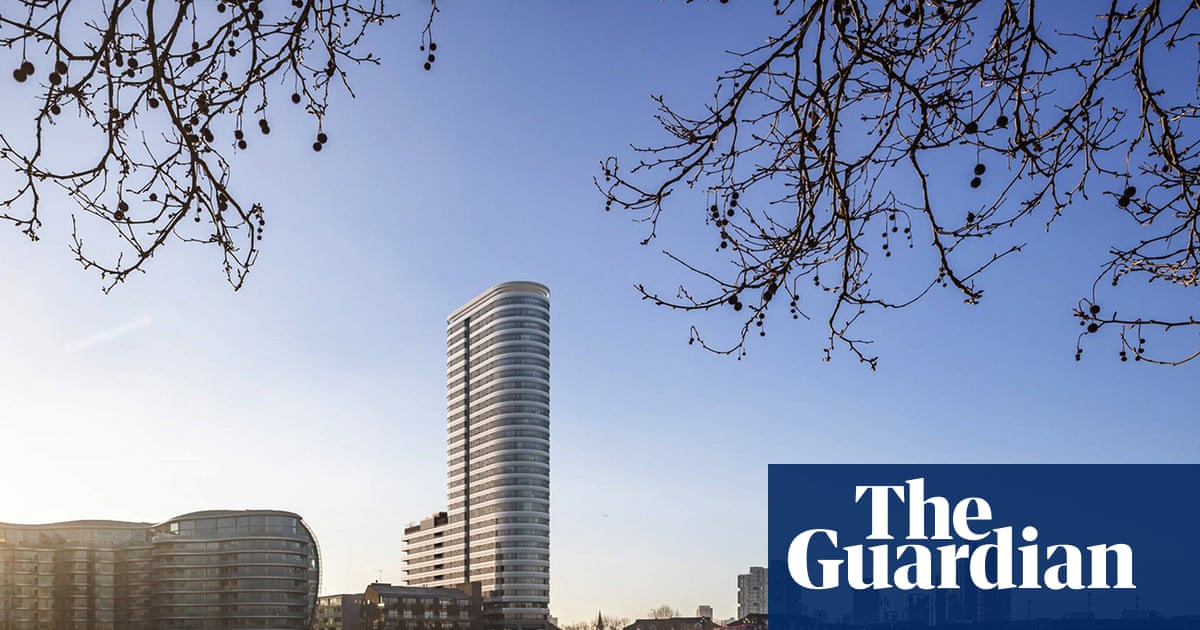
A group of high-profile figures from the music and arts sectors, including Mick Jagger, frontman of the Rolling Stones, have successfully blocked the construction of a 29-storey residential tower on the banks of the River Thames.
The decision follows a two-year dispute between the developer, Rockwell Property, and a coalition of residents and public figures over the proposed 100-metre structure situated next to Battersea Bridge in south-west London. The outcome demonstrates the significant influence of long-term property holders within the entertainment industry when challenging commercial regeneration and urban density regulations.
Project Specifications and Revisions
Rockwell Property initially submitted plans for a 34-storey tower containing 142 flats. Following public feedback and opposition, the developer revised the proposal to a 29-storey building featuring 110 flats, 54 of which were designated as affordable homes.
The project, designed by the architecture firm Farrells, was intended to include underground parking and a variety of commercial spaces. Rockwell Property stated that the development was designed to address an “urgent need for new, high-quality housing” in London, where demand for new homes routinely outstrips supply.
The site, directly overlooking a busy stretch of the river, has been earmarked for redevelopment for several years, and the tower was pitched as a landmark scheme that would help finance wider local improvements.
Regulatory and Municipal Opposition
Wandsworth Council rejected the development, citing the project’s “excessive height and scale.” The council stated the tower “would represent an unacceptable and incongruous transformative change within the location that would significantly harm the spatial character of the same location,” adding that the structure would spoil the skyline and “devastate” the lives of neighbouring residents.
Planning officers argued that the benefits of additional homes, including the affordable element, did not outweigh the harm to local heritage views and to the character of the low- and mid-rise riverside neighbourhood. Local conservation groups also warned that the scheme would set a precedent for a wall of towers along this section of the embankment.
The Greater London Authority supported the council’s decision. Despite these rejections, Rockwell Property filed an appeal to overturn the ruling, triggering a formal inquiry under England’s town and country planning system, which is governed by the Town and Country Planning Act 1990.
Planning Inspectorate Ruling
On May 16, 2026, planning inspector Joanna Gilbert issued a final ruling upholding the council’s decision and backing the objectors. The ruling followed an eight-day public hearing at which planning experts, local residents and the celebrity opponents gave evidence.
The proposal would cause harm to townscape character in several identified views from different directions and differing distances. [It] would be taller and bulkier than other existing buildings, rendering it highly noticeable. The proposal would cause a dramatic change to the skyline in views along this part of the [Thames] embankment. Overall, this change would be detrimental.
Gilbert further noted that the building was “not exemplary, extraordinary, remarkable or distinctive, just tall,” and concluded that it would appear “alien and isolated” rather than forming part of a ribbon cluster of tall buildings.
The inspector’s report emphasised that, while London-wide policy encourages higher-density development near transport and town centres, individual tall buildings must still respect local context, riverside vistas and designated heritage assets. The ruling means Rockwell cannot proceed with the current design and would need to submit an entirely fresh application if it wishes to pursue a different scheme on the site.
Industry and Resident Perspectives
Jagger, who has resided on the north bank of the Thames since the early 1960s-as has Rolling Stones bandmate Keith Richards-argued that the tower made “no sense” and was “totally wrong on every level.”
Speaking to the Chelsea Citizen in March, Jagger stated: “I have lived in this area for a long time and I care about what happens to it. If this goes ahead, it could lead to more tall buildings being built … changing this wonderful stretch of the Thames riverside for ever.”
Musician Eric Clapton, 81, expressed concern that approval would create a “free-for-all for other developers to build towers along the river,” adding, “These developers don’t give a damn what anyone thinks. They are just in it for the money.”
Other prominent objectors included actor Felicity Kendal and comedian Harry Hill. Their campaign tapped into a broader debate over the pace and style of high-rise development in the capital, particularly along the Thames, where skyline-changing schemes have repeatedly drawn criticism from local communities and heritage bodies.
In a statement, Rockwell Property expressed disappointment, asserting their belief in the regeneration project. The developer noted, “We did not compromise on quality, using the world-renowned architects, Farrells, so it is disappointing the inspector did not share our view that this would be a great addition to London’s skyline.”
For London’s planning system, the case will be closely watched as a test of how far local authorities and the Planning Inspectorate are prepared to go in curbing tall residential towers in established low-rise districts, even when those schemes promise new homes and investment. The planning inspector’s ruling has officially denied the appeal, halting the development of the tower and leaving the future of the riverside plot uncertain.
Worth a look
