
AMSTERDAM –
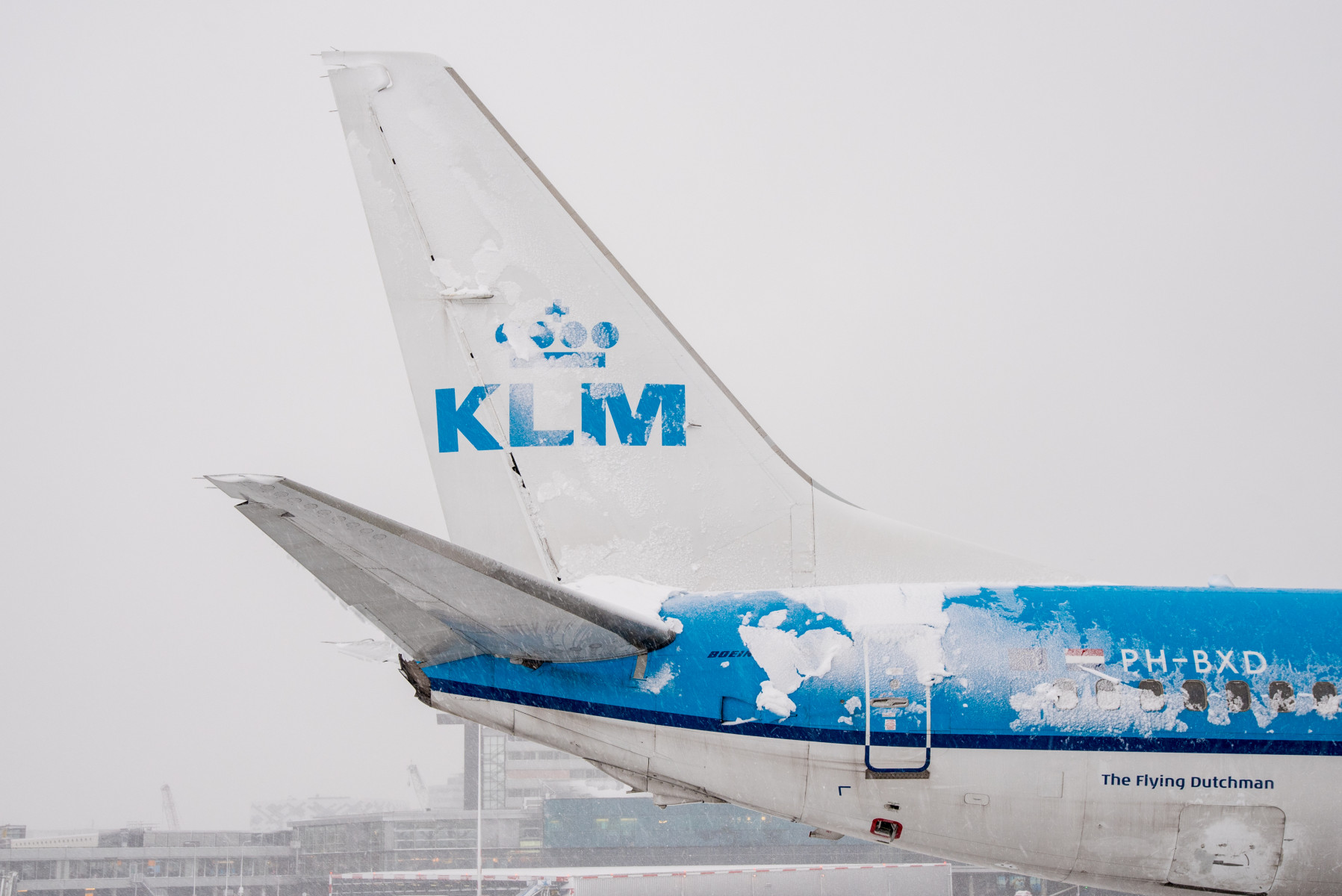
KLM has announced a fresh wave of cancellations at Amsterdam Airport Schiphol after persistent winter weather and an unfavourable wind direction reduced runway capacity, forcing the carrier to cancel 295 flights scheduled for January 4. The airline issued two public service updates on January 3: a 9:30 AM advisory describing reduced runway capacity and earlier cancellations, and a 2:30 PM update increasing the cancellations for January 4 to 295. The airline told customers it is rebooking passengers and that further cancellations are likely.
“Persistent winter weather conditions are reducing runway capacity at Schiphol. As a result, KLM is forced to cancel 295 flights for January 4. We understand this is inconvenient for our customers. We advise them to keep checking the latest flight information. We are working hard to rebook passengers on the next available flight. We anticipate that these weather conditions will continue and that more cancellations will follow.”
“Schiphol is also experiencing disruptions today due to weather conditions: winter weather and an unfavorable wind direction. This has resulted in reduced runway capacity. Other airports in Europe are also dealing with winter weather. Yesterday, KLM had to cancel 114 flights for today. An additional 73 flights have been canceled today. Delays are also expected. We understand this is inconvenient for our customers. We advise them to keep checking the latest flight information. We are working hard to rebook passengers on the next available flight. We anticipate that these weather conditions will persist through the weekend and that more cancellations will follow.”
Immediate operational and network effects
The cancellations centre on Amsterdam’s hub operations, where KLM funnels connecting traffic through Schiphol; disruptions at the hub ripple through the carrier’s European and intercontinental networks and affect codeshare partners. KLM is the Netherlands’ flag carrier and operates as one of the two main airlines within the Air France‑KLM group, which maintains distinct airline brands while sharing joint business functions. The carrier primarily operates from Schiphol’s main passenger facilities, where its schedules are tightly coordinated with alliance partners to support connecting traffic flows.
Reduced runway capacity at Schiphol can force the airport and airlines to cut scheduled movements rapidly because the hub operates near high utilisation on winter schedules. Schiphol is owned and operated by Royal Schiphol Group, the corporate entity responsible for airport infrastructure and runway deployment that coordinates with carriers on slot use and capacity adjustments. In practice, air traffic control, airport management and airline operations centres jointly recalibrate the day’s movements, deciding which waves of flights can be preserved and which must be cancelled outright to keep remaining operations stable. For KLM, that means prioritising core bank structures and long-haul connections while trimming frequencies and point-to-point services where alternative routings are available via partner hubs.
The knock-on effects are not confined to Amsterdam. As aircraft and crews miss scheduled rotations, disruption propagates to downline airports across Europe and beyond, including stations where KLM is a key provider of connectivity to and from the Netherlands. Codeshare partners that rely on Schiphol as a transfer point also face schedule dislocation, putting additional pressure on customer service channels as airlines attempt to align their respective recovery plans.
Regulatory and consumer implications
Passengers departing from or operating with an EU carrier out of an EU airport are protected under the EU’s flight‑cancellation framework, Regulation (EC) No 261/2004, which sets out entitlements to reimbursement, re‑routing and, in some circumstances, compensation – though the regulation excludes compensation where cancellations are due to extraordinary circumstances such as severe weather. Airlines must provide care and offer re‑routing or refunds, including meals, refreshments and, where necessary, hotel accommodation when passengers are stranded.
KLM’s public updates on January 3 state the carrier is rebooking passengers on “the next available flight” and advising customers to monitor flight information. Those operational remedies align with the immediate duties carriers have under the EU framework to offer rerouting or refunds and to provide assistance while passengers await onward travel. For travellers, the practical distinction is that they may not be entitled to additional monetary compensation when weather is deemed an extraordinary circumstance, but their rights to care and to choose between a refund or rerouting remain intact. In recent years, heightened public awareness of these rights has increased regulatory scrutiny of how quickly airlines notify passengers and how consistently they provide mandated support during large‑scale disruption events.
Sector pressures shaping the disruption
Airport capacity management and regulatory slot limits have been points of policy and commercial contention in the Netherlands. Schiphol has been subject to government decisions to limit annual flight movements to address community noise and environmental concerns; such capacity constraints increase the sensitivity of the hub to short‑term runway availability changes and adverse weather. With limited slack in the system, even a temporary loss of runway capacity can quickly erase recovery margins for the rest of the day’s operation.
For network carriers such as KLM, an already tight slot environment means fewer recovery options when weather reduces runway throughput: delayed arrivals and aircraft rotations cascade into cancellations elsewhere in the scheduled system. KLM’s updates on January 3 emphasise rebooking and warn of further cancellations, reflecting both the immediate operational constraint and the limited flexibility carriers face at high‑utilisation hubs. The knock‑on effects extend beyond Amsterdam as aircraft and crews fail to reach downline destinations on time, prompting schedule changes across the wider European network and requiring close coordination with air traffic flow management authorities.
Schiphol’s central role as a transfer hub for the Dutch economy and as a key node in northwest Europe’s aviation system means that shortfalls in resilience quickly move from an operational question to a policy one. The current disruption provides an immediate test of whether the balance struck between environmental limits and hub capacity leaves sufficient headroom to absorb foreseeable winter weather without prolonged system strain.
Corporate and market consequences
A multi‑day bout of cancellations affects short‑term revenue from ticket refunds and reaccommodation costs, and increases operational costs as the airline must reposition crews and aircraft. For a carrier operating within a merged group structure, disruptions at one hub also implicate group scheduling and alliance partners that rely on connection banks at Amsterdam and Paris. KLM’s January 3 communications emphasise passenger rebooking and anticipate more cancellations as weather persists, signalling to investors and regulators that the airline is prioritising operational continuity and regulatory compliance over near‑term capacity growth during the disruption window.
For policymakers, the episode underscores how weather‑driven shocks interact with structurally tighter capacity rules at major European hubs. As governments and regulators weigh noise, emissions and community impact against connectivity and resilience, Schiphol’s experience during this cold spell will likely feed into future debates over how much margin should be built into constrained hub operations – and how clearly airlines must communicate with passengers when that margin disappears. For passengers and corporate travel planners, the events around January 4 will serve as a fresh reminder to monitor operational updates closely and to build additional contingency into winter itineraries that depend on tightly timed connections through Amsterdam.
Operational status: KLM has cancelled 295 flights for January 4 and is rebooking affected passengers; Schiphol is operating with reduced runway capacity and the airline has warned additional cancellations are likely. Passengers are being advised to check their flight status before travelling to the airport, including through KLM’s online and self‑service channels at Schiphol’s Departures 1 and 2.
